Best 3D Printer for Beginners Under 500 in 2026: Honest Picks and Buying Advice
Disclosure: This article may earn a commission from qualifying purchases. Prices, coupons, and bundle offers on Amazon can change at any time, so it is always wise to check the current price before buying.
Best 3D Printer for Beginners Under 500 in 2026
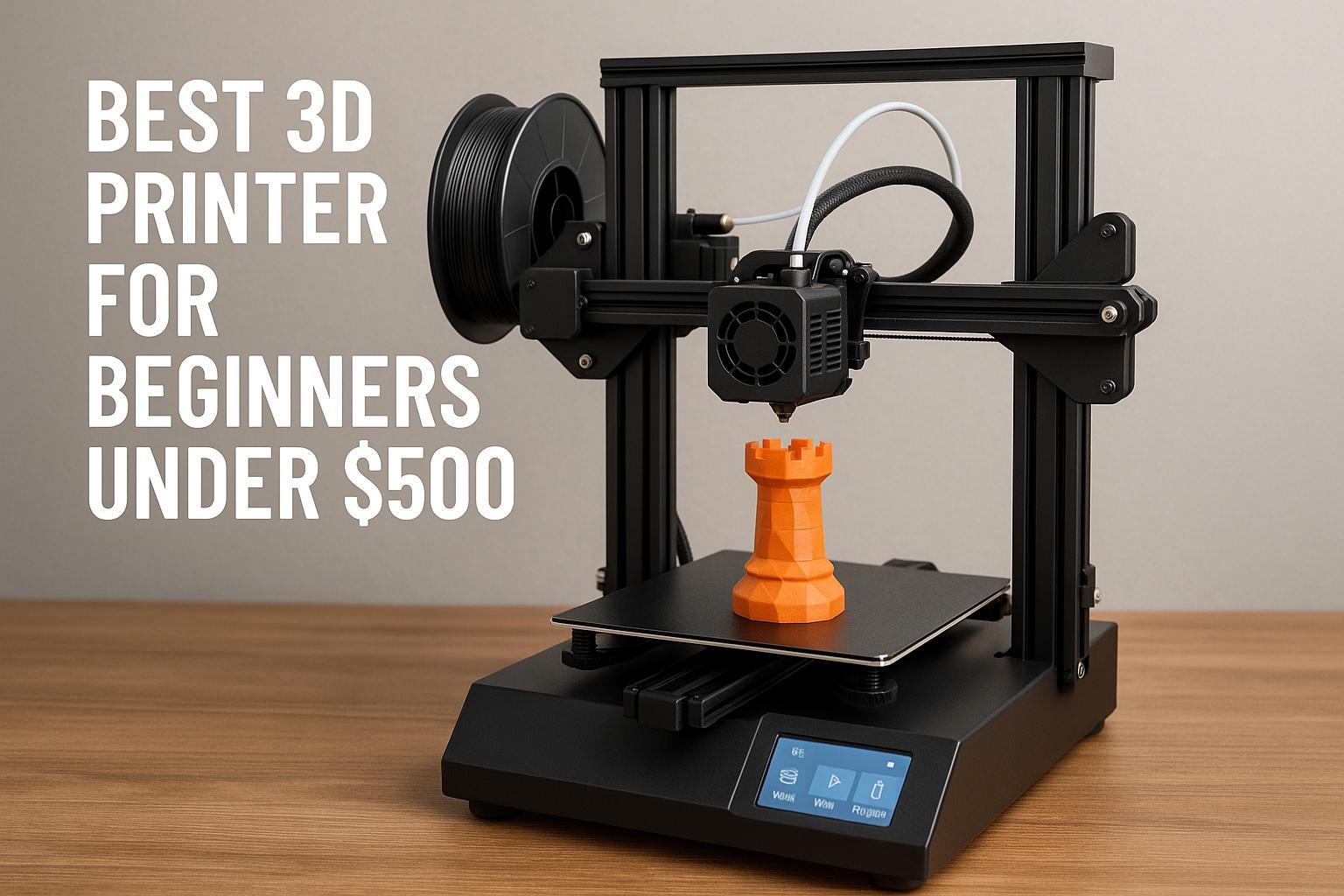
Finding the best 3d printer for beginners under 500 is easier than it was a few years ago, but it is not necessarily simpler. In 2026, even affordable machines promise high speed, auto leveling, app control, and cleaner first layers. Still, from my perspective, the printers that are genuinely suitable for newcomers are not always the ones with the longest spec sheet. The better choice is usually the model that removes friction: less assembly, fewer failed starts, and a more forgiving day-to-day workflow.
For this guide, I focused on what matters to a first-time buyer who wants a machine that just works, stays within a realistic budget, and still offers room to learn. I also kept a close eye on several common shopping goals, such as the best quiet 3d printer for apartment use, the best enclosed 3d printer for beginners, the best 3d printer for kids and beginners, and even entry points for Etsy-style production or cosplay projects.
One practical note before we begin: not every strong Creality option discussed here lands below $500. Some models are included as comparison references because they help explain what you gain by spending more, especially if you are considering multicolor printing, larger build volume, or workflow automation.
If you want the shortest version, the most sensible beginner-focused picks in this group are the Creality K2 SE for affordable entry-level use and the Creality K1C for users who want faster CoreXY performance, quieter operation, and more advanced material support while remaining under the $500 mark when discounted.
What Beginners Should Look for in a 3D Printer Under 500
Ease of setup and use
For a first printer, convenience is not a luxury. It is one of the biggest predictors of whether the machine becomes a fun tool or an abandoned project. I would prioritize printers that arrive mostly assembled, offer guided setup, and include automatic calibration. A beginner usually does not benefit from spending the first weekend adjusting belts, tramming a bed manually, or troubleshooting uneven first layers.
That is why printers such as the Creality K2 SE and K1C stand out. Both lean toward a more streamlined setup process, and that matters more than many first-time buyers realize. If your goal is the best 3d printer for beginners that just works, the machine should reduce guesswork from day one.
Safety features and reliability
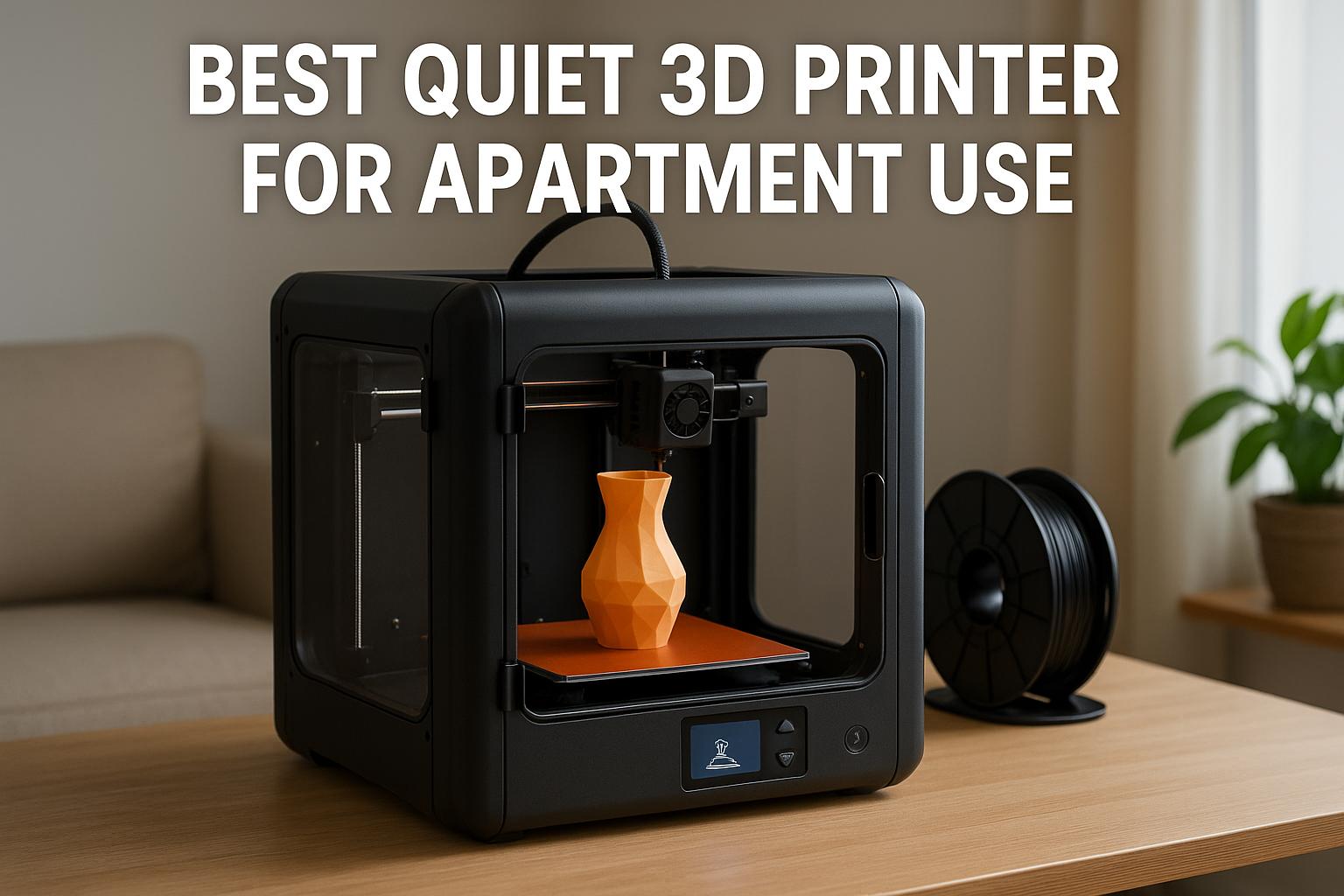
Reliability shows up in small ways: a bed that levels itself correctly, sensors that prevent obvious failures, and firmware that does not create unnecessary friction. If the printer will be used in a family space, classroom, or apartment, safety and noise become even more relevant. For those buyers, the best quiet 3d printer for apartment is not just about comfort; it also makes the printer easier to live with over time.
Enclosed designs can help with safety and consistency, especially around moving parts and warmer materials. On the other hand, open-frame models are often cheaper and easier to access when learning maintenance. There is no universal winner here; the right answer depends on where the printer will live and what you plan to print.
Print size and material compatibility
Build volume is one of the easiest specs to overvalue. Many beginners think they need a huge printer immediately, but most early projects are smaller: desk organizers, brackets, toys, mini terrain, replacement parts, and simple décor. A compact printer can be a better fit if it delivers cleaner results and takes up less space.
Material support matters too. PLA remains the most beginner-friendly filament, while PETG is useful once you want stronger, slightly more heat-tolerant parts. More specialized materials, including carbon-fiber-filled options, are appealing, but they make more sense if you already know why you need them. That is one reason the K1C is a better value pick for ambitious beginners than for absolute casual users.
Key Features That Matter Most in 2026
Auto bed leveling and calibration
In my view, automatic bed leveling is close to essential in 2026. Manual adjustment is still possible on some machines, but most beginners benefit far more from a printer that handles leveling and calibration on its own. It reduces failed starts and shortens the learning curve.
The K2 SE includes auto leveling and intelligent calibration, which is exactly the kind of feature set I would want to see under $300. The K1C also adds one-tap auto leveling in a more performance-oriented package. If a printer requires too much manual tuning, it quickly stops feeling beginner-friendly.
Print speed versus print quality
Speed numbers are one of the most misunderstood parts of 3D printer marketing. A machine rated for 500 mm/s or 600 mm/s can be genuinely fast, but that does not mean every print should run at maximum speed. For beginners, a balanced printer is more useful than a headline figure.
Still, speed is not meaningless. Faster motion systems can reduce waiting time and make the hobby far more enjoyable. The K2 SE, with up to 500 mm/s, and the K1C, with up to 600 mm/s CoreXY motion, both offer a modern experience that feels significantly less sluggish than older budget printers. That is especially helpful for small business workflows, prototypes, and repeated household prints.
Smart controls and connectivity options
Smart features are valuable when they solve real problems. Cloud support, monitoring, and app-based workflows can make printing more convenient, especially if you are learning slicing and file management at the same time. However, they are not all equally important.
For newcomers, I would rate guided setup, clear menus, and sensible slicer support above novelty features. A polished software experience often matters more than a flashy camera. That is one area where ecosystem maturity can make a real difference.
Top 3D Printer Types for First-Time Users
FDM printers for everyday projects
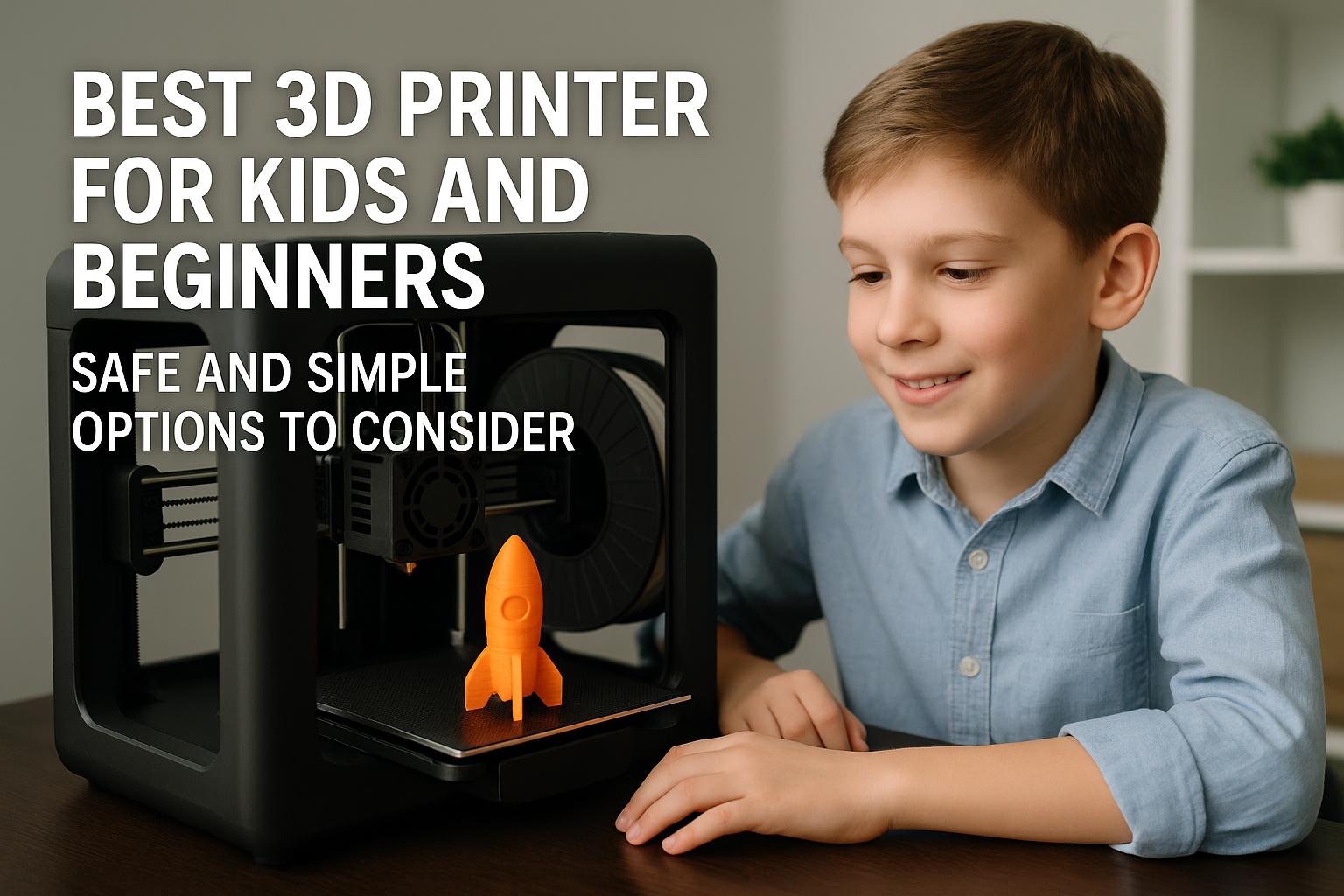
For most people shopping under $500, an FDM printer is the clear starting point. It is practical, comparatively affordable to run, and versatile enough for storage accessories, school projects, simple tools, replacement parts, and hobby builds. If someone asks me for the best 3d printer for kids and beginners, I usually point them toward a calm, easy FDM setup with PLA rather than a more demanding alternative.
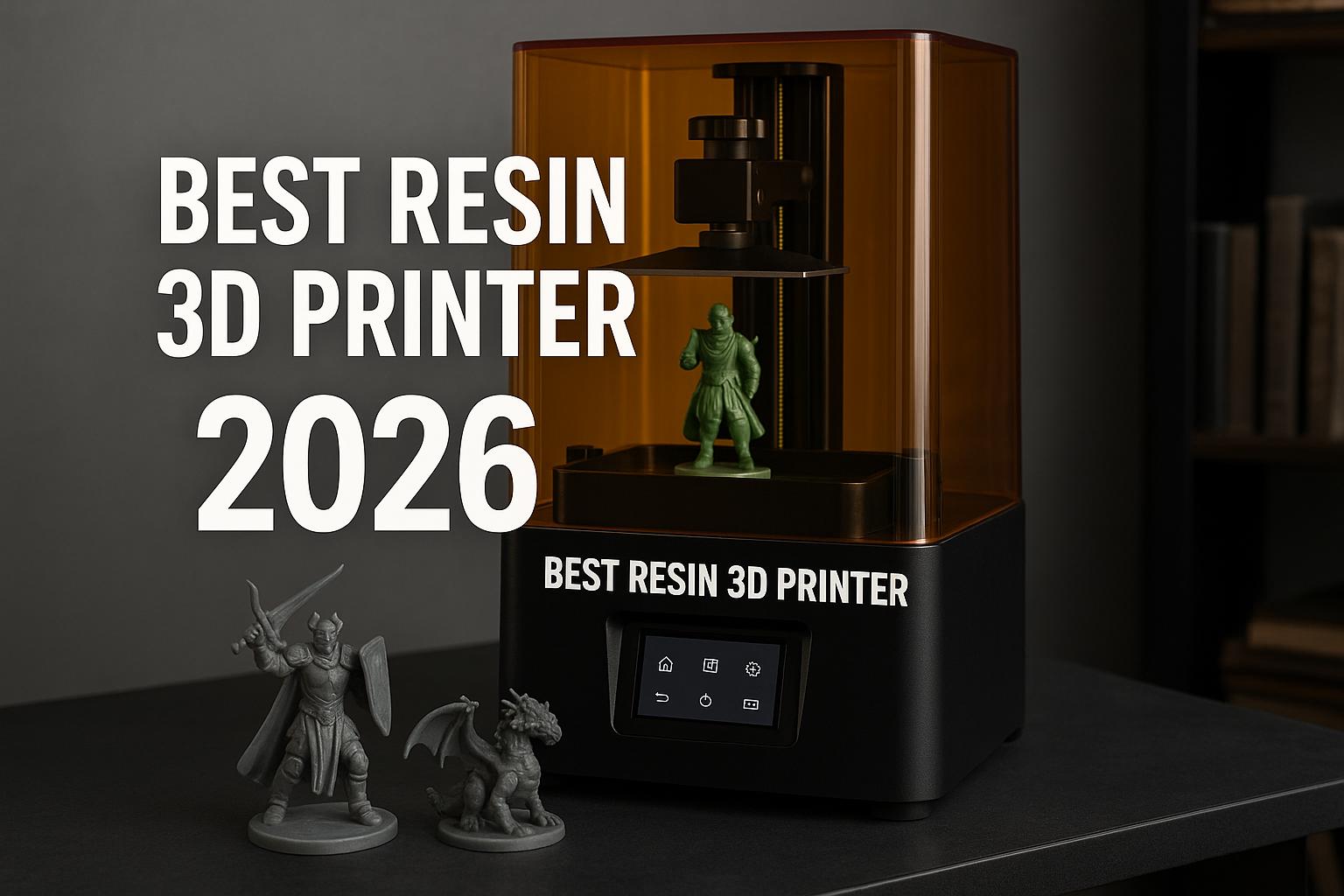
Resin printers serve a different audience. If your main goal is miniatures, highly detailed figure parts, or tabletop models, then the best resin 3d printer for miniatures or the best resin printer for dnd miniatures may indeed be the better category. But resin brings fumes, protective handling, washing, and curing. That makes it less suitable as a universal first printer for most households.
Compact versus larger build volume models
Compact desktop printers are often underestimated. They fit more comfortably on a desk, are easier to supervise, and generally ask less from a room. The K2 SE fits this role well. It is aimed at hobbyists, educators, and makers who want a manageable footprint and a modern feature set without jumping into premium territory.
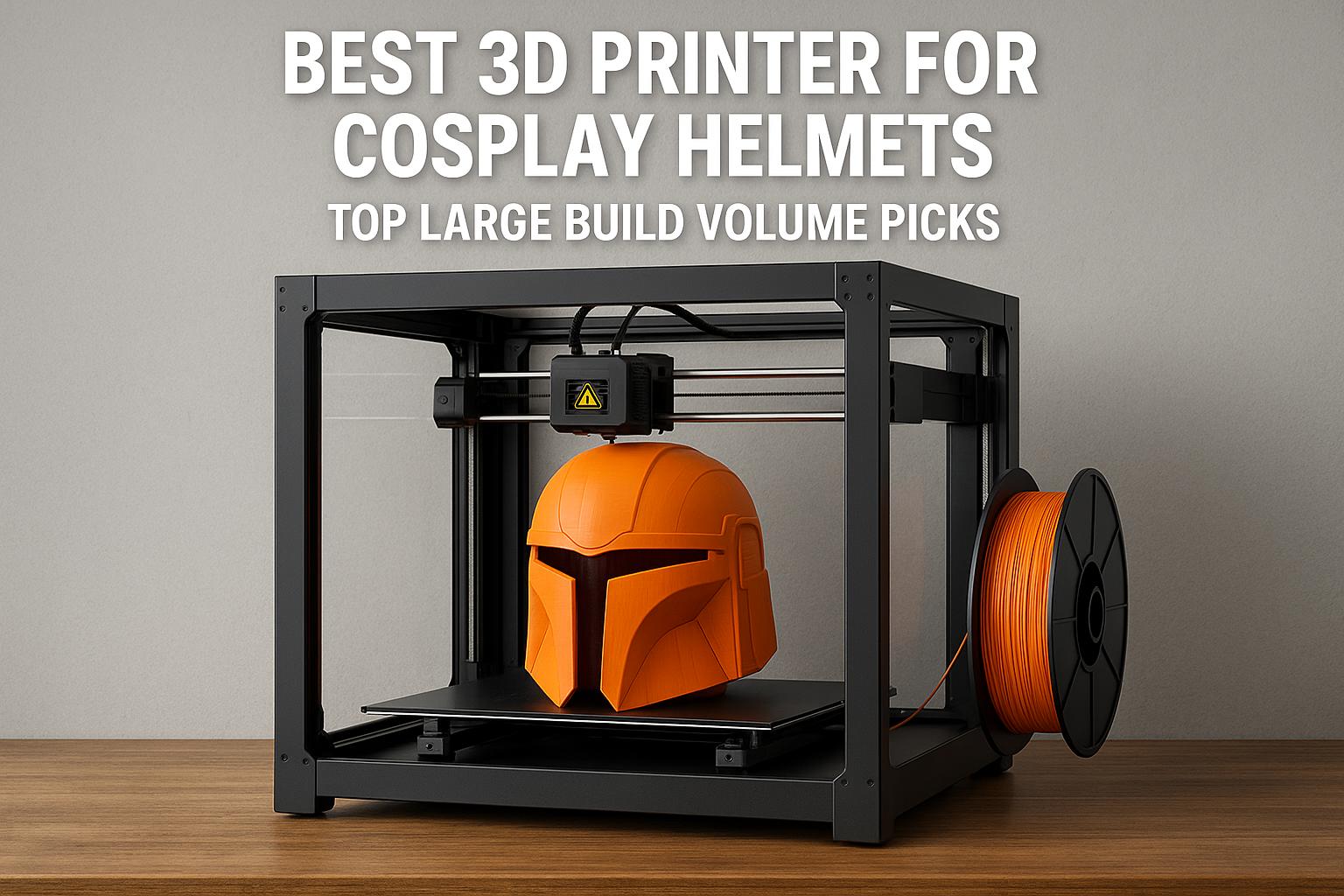
Larger printers make sense for helmets, big props, production batches, or one-piece functional parts. If that is your main use case, you are entering territory closer to the best large format 3d printer for cosplay or the best 3d printer for cosplay helmets. In this article’s price band, that usually means compromise. Under $500, you can get capable speed and convenience, but not every buyer can get large-format printing too.
Open-frame and enclosed designs
Open-frame machines remain popular because they are accessible and often more affordable. They are also easier to observe while learning. Enclosed printers, however, have a few practical advantages: lower perceived noise, safer containment of moving parts, and more stable temperatures for advanced materials.
If your shortlist includes the best enclosed 3d printer for beginners, you may notice that many genuinely polished enclosed systems cost more than $500. The K1C is one of the more convincing exceptions when discounted, because it combines a pre-assembled design, silent mode up to 45 dB, and support for carbon-fiber-compatible materials.
How to Compare the Best Beginner 3D Printers
Assembly time and learning curve
A printer can be inexpensive upfront yet costly in time. This is where many budget recommendations miss the point. A machine that needs frequent adjustment or unclear tuning may be cheap, but it is not beginner-friendly in the way most buyers mean it. For that reason, I would rank pre-assembly and guided workflows very highly.
The K1C has a strong case here because it arrives pre-assembled and adds one-tap leveling. The K2 SE, meanwhile, appears designed as a less intimidating desktop option with quick assembly and guided calibration. Both aim at reducing friction, though they serve different budgets.
Software experience and slicer support
Even a capable printer can become frustrating if the software path feels clumsy. New users tend to benefit from clear presets, broad community support, and slicer profiles that do not require endless adjustment. This is especially relevant for classrooms, families, and side-hustle users who need predictable output rather than constant tinkering.
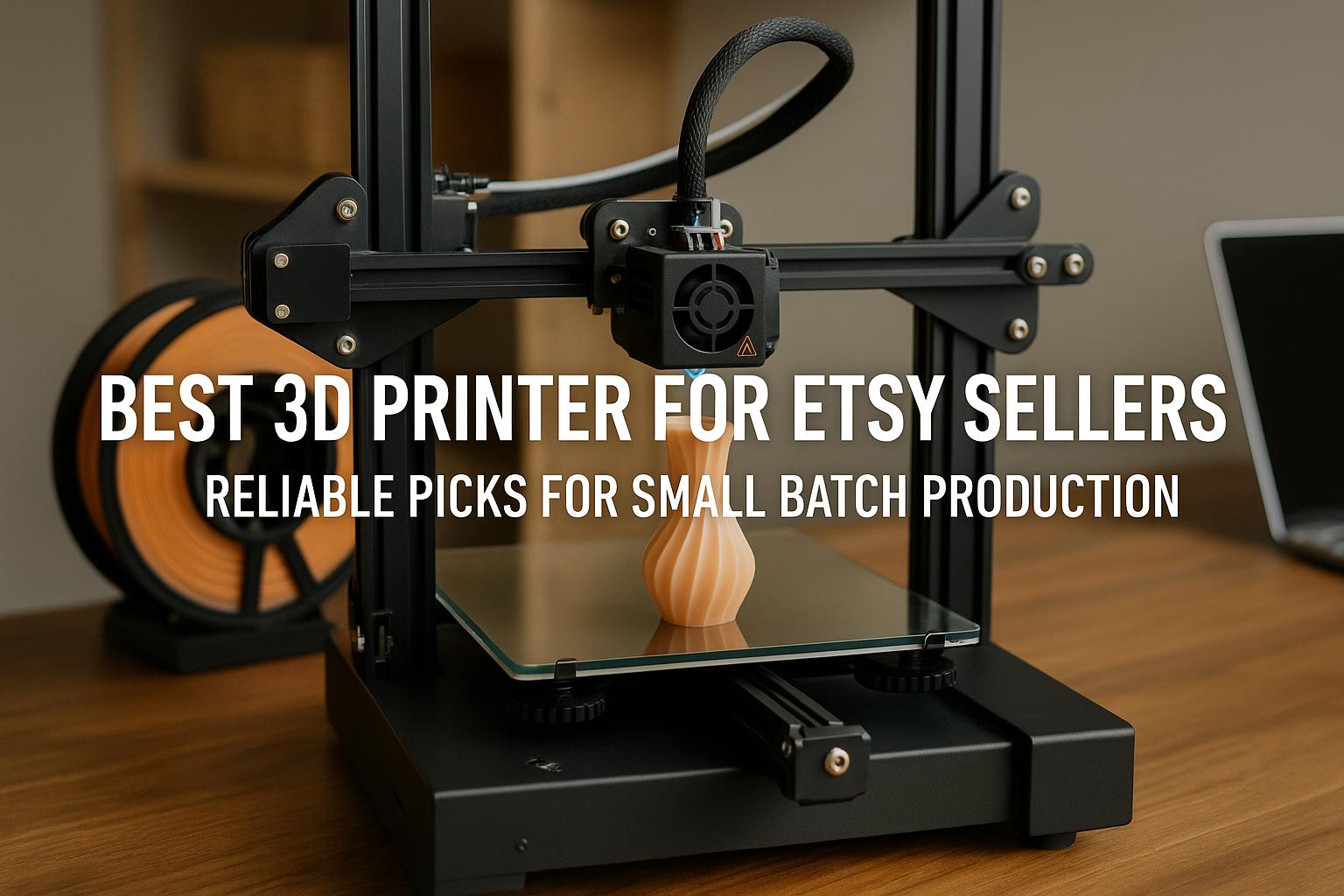
For the best 3d printer for etsy sellers or the best 3d printer for small business, software consistency matters almost as much as hardware speed. The faster the turnaround from design to dependable repeat print, the easier it is to use the machine as a tool instead of a hobby puzzle.
Customer support and user community
From my experience following this market, active communities often matter more than official manuals. A broad user base means more setup guides, troubleshooting threads, profiles, and practical advice. For beginners, that peer support is immensely valuable, particularly in the first month of ownership.
“The best beginner printer is often the one with the least confusing path from unopened box to successful second print.”
Best 3D Printer Picks Under 500 in 2026
Below is a quick comparison of the most relevant models for this price-focused guide, plus several higher-priced reference options that help define the market.
| Property | Creality K2 SE | Creality K1C |
|---|---|---|
| Typical promo price | $299 | $399 |
| Speed claim | Up to 500 mm/s | Up to 600 mm/s |
| Beginner setup | Quick assembly, guided calibration | Pre-assembled, one-tap auto leveling |
| Frame style | Compact desktop design | Enclosed-style, quieter daily use |
| Material focus | General-use desktop printing | Advanced materials including PLA-CF and PETG-CF examples |
| Noise | Not specified as apartment-focused | Silent mode at ≤45 dB |
| Multicolor path | Optional CFS support, sold separately | Not positioned here as multicolor-first |
Best overall beginner-friendly model
Creality K2 SE is my strongest recommendation for most first-time buyers who want a modern machine without overspending. It is the most convincing fit for the keyword best 3d printer for beginners under 500 because it balances price, manageable size, auto leveling, direct drive, and a future upgrade path through optional CFS support. Importantly, CFS is sold separately, so it should not be treated as an included multicolor package.
That makes the K2 SE especially appealing for hobbyists, educators, and anyone stepping up from a very basic printer. It is also a credible answer to buyers asking for the best multicolor 3d printer for beginners, provided they understand that multicolor readiness is an upgrade path rather than a standard-in-the-box feature.
If you want to compare the current listing and availability, use this buyer-friendly shortcut: [url="https://www.amazon.com/dp/B0D922NSSQ?ref=t_ac_view_request_product_image&campaignId=amzn1.campaign.13FRT9H9H29NH&linkCode=tr1&tag=simonsreccos-20&linkId=amzn1.campaign.13FRT9H9H29NH_1780058662913",name="Check the current price for the Creality K2 SE",title="This link leads to the Creality K2 SE on Amazon"]
Best budget pick for value
The K2 SE also takes the budget category. At its promotional price, it is unusually competitive because it does not look like a stripped-down entry printer. You get speed, vibration control, auto leveling, and a rigid frame in a package that still feels aimed at real use rather than just low pricing.
Who should skip it? Buyers who already know they want enclosed printing, quieter operation, or carbon-fiber-compatible projects may outgrow it quickly and should consider spending more upfront.
Best option for speed or convenience
Creality K1C is the better fit for buyers who want something closer to a premium everyday tool while still staying under the $500 line when discounted. It is especially strong if your priorities are fast CoreXY performance, quieter operation, and a more durable-feeling platform for advanced materials.
This is the machine I would highlight for apartment living, maker desks, and practical engineering-style projects. It is also a better answer for users who want a serious machine without stepping into high-end pricing. Check the live listing here: [url="https://www.amazon.com/dp/B0D95Z1W6K?ref=t_ac_view_request_product_image&campaignId=amzn1.campaign.SESNPTWUE0Q9&linkCode=tr1&tag=simonsreccos-20&linkId=amzn1.campaign.SESNPTWUE0Q9_1780058665579",name="Check the current price for the Creality K1C",title="This link leads to the Creality K1C on Amazon"]
One caution is important: the advertised filament discount is only available through a designated printer + filament bundle listing. The standalone K1C listing does not include that filament offer.
Where the higher-end models fit
Although they exceed this article’s price ceiling, the remaining Creality machines are useful as stepping stones for readers deciding whether to postpone a purchase and spend more later.
- Creality K2 Plus Combo: a flagship multicolor-ready option with CFS, fully assembled setup, auto leveling, and very quiet use. It is for buyers who want fewer setup headaches and broader workflow convenience, not for budget-first beginners. [url="https://www.amazon.com/dp/B0F5HJMMT9?ref=t_ac_view_request_product_image&campaignId=amzn1.campaign.36N63R999Y0GY&linkCode=tr1&tag=simonsreccos-20&linkId=amzn1.campaign.36N63R999Y0GY_1780058654882",name="Check the current price for the Creality K2 Plus Combo",title="This link leads to the Creality K2 Plus Combo on Amazon"]
- Creality K2 Plus: a large-format, high-speed machine aimed at creators printing helmets, props, and production runs. Multicolor requires CFS sold separately, and the filament discount applies only through the designated bundle listing. [url="https://www.amazon.com/dp/B0F5H4SSNS?ref=t_ac_view_request_product_image&campaignId=amzn1.campaign.QP7BWTP45334&linkCode=tr1&tag=simonsreccos-20&linkId=amzn1.campaign.QP7BWTP45334_1780058661707",name="Check the current price for the Creality K2 Plus",title="This link leads to the Creality K2 Plus on Amazon"]
- Creality K2 Pro Combo: a creator-focused multicolor-first upgrade with CFS-based support for up to 16 colors, speed, dual AI cameras, and broader material flexibility. The 50% filament offer applies only to the designated bundle. [url="https://www.amazon.com/dp/B0FDG38DSW?ref=t_ac_view_request_product_image&campaignId=amzn1.campaign.2LOC5X37HAZ&linkCode=tr1&tag=simonsreccos-20&linkId=amzn1.campaign.2LOC5X37HAZ_1780058664827",name="Check the current price for the Creality K2 Pro Combo",title="This link leads to the Creality K2 Pro Combo on Amazon"]
- K2 SE offers one of the best beginner balances of price, speed, and ease of use
- K1C adds quiet operation and stronger appeal for advanced materials
- Both models reduce setup friction compared with older budget printers
- Creality’s broader ecosystem gives useful upgrade paths
- K2 SE multicolor support requires CFS sold separately
- K1C is more capable, but not the cheapest entry point
- Under $500 usually means compromises in build size or premium automation
- Large cosplay prints and true multicolor workflows typically cost more
Hidden Costs and Ongoing Supplies
Filament and maintenance parts
The printer price is only part of the real budget. Filament, nozzles, build surfaces, and occasional wear parts should be expected. PLA is the easiest starting filament, but many users quickly add PETG or specialty materials. If your budget is extremely tight, it is worth setting aside some room for these essentials instead of spending every dollar on the machine itself.
Tools and accessories for smoother printing
A few inexpensive tools can make ownership easier: flush cutters, a scraper, isopropyl alcohol for cleaning the build surface, small storage boxes for parts, and filament storage solutions. None of this is dramatic, but these items are part of the practical cost of getting good results regularly.
Electricity and upgrade costs
Electricity is usually not the biggest expense at this level, though long print sessions add up over time. Upgrade costs are more significant. Buyers drawn to the K2 SE for its multicolor path should especially remember that the CFS is an extra purchase. Likewise, some Amazon bundle incentives apply only to special listings, not standalone printer pages.
Buying tip: Always verify whether you are looking at a standalone printer listing or a machine-plus-filament bundle. Several Creality offers mention filament discounts, but those promotions do not automatically apply to every listing.
Recommendation for Choosing Your First 3D Printer
Match features to your project goals
If you mostly want household items, toys, organizers, and beginner learning projects, the K2 SE is the more sensible first step. If you expect to print more often, want a more polished machine, or care about carbon-fiber-compatible materials and lower noise, the K1C is the stronger long-term value.
For miniature-focused buyers, I would not force an FDM recommendation if your real goal is resin-level detail. In that case, searching specifically for the best resin 3d printer for miniatures or the best resin printer for dnd miniatures is the smarter route. Similarly, users planning to produce helmets, large props, or business batch jobs should compare large-format options rather than expecting a compact under-$500 machine to cover everything.
Start simple and build experience
Beginners often do better with a machine that encourages steady success rather than maximum ambition. A reliable under-$500 printer can teach slicing, support settings, material handling, and maintenance without overwhelming you. Once those basics feel natural, moving to larger, faster, or multicolor systems makes much more sense.
Check reviews and real user feedback
Before you buy, compare recent owner impressions, software screenshots, replacement part availability, and support discussions. I would also look for reviews that discuss daily use after a few weeks, not just unboxing excitement. Those details reveal whether the machine really deserves to be called the best 3d printer for beginners that just works.
Final Buying Invitation
If you want the most balanced low-cost option, start with the Creality K2 SE. If you prefer a faster, quieter, more advanced machine under the same overall budget cap, look closely at the Creality K1C. And if your projects clearly point toward multicolor workflows, large-format prints, or premium convenience, compare the K2 Plus Combo, K2 Plus, and K2 Pro Combo before deciding.
To compare the current Amazon listings, use these links:
- [url="https://www.amazon.com/dp/B0D922NSSQ?ref=t_ac_view_request_product_image&campaignId=amzn1.campaign.13FRT9H9H29NH&linkCode=tr1&tag=simonsreccos-20&linkId=amzn1.campaign.13FRT9H9H29NH_1780058662913",name="Check the current price for Creality K2 SE",title="This link leads to the Creality K2 SE on Amazon"]
- [url="https://www.amazon.com/dp/B0D95Z1W6K?ref=t_ac_view_request_product_image&campaignId=amzn1.campaign.SESNPTWUE0Q9&linkCode=tr1&tag=simonsreccos-20&linkId=amzn1.campaign.SESNPTWUE0Q9_1780058665579",name="Check the current price for Creality K1C",title="This link leads to the Creality K1C on Amazon"]
- [url="https://www.amazon.com/dp/B0F5HJMMT9?ref=t_ac_view_request_product_image&campaignId=amzn1.campaign.36N63R999Y0GY&linkCode=tr1&tag=simonsreccos-20&linkId=amzn1.campaign.36N63R999Y0GY_1780058654882",name="Check the current price for Creality K2 Plus Combo",title="This link leads to the Creality K2 Plus Combo on Amazon"]
- [url="https://www.amazon.com/dp/B0F5H4SSNS?ref=t_ac_view_request_product_image&campaignId=amzn1.campaign.QP7BWTP45334&linkCode=tr1&tag=simonsreccos-20&linkId=amzn1.campaign.QP7BWTP45334_1780058661707",name="Check the current price for Creality K2 Plus",title="This link leads to the Creality K2 Plus on Amazon"]
- [url="https://www.amazon.com/dp/B0FDG38DSW?ref=t_ac_view_request_product_image&campaignId=amzn1.campaign.2LOC5X37HAZ&linkCode=tr1&tag=simonsreccos-20&linkId=amzn1.campaign.2LOC5X37HAZ_1780058664827",name="Check the current price for Creality K2 Pro Combo",title="This link leads to the Creality K2 Pro Combo on Amazon"]
My recommendation is simple: choose the printer that matches your real first six months of use, not the one that only looks impressive on paper.