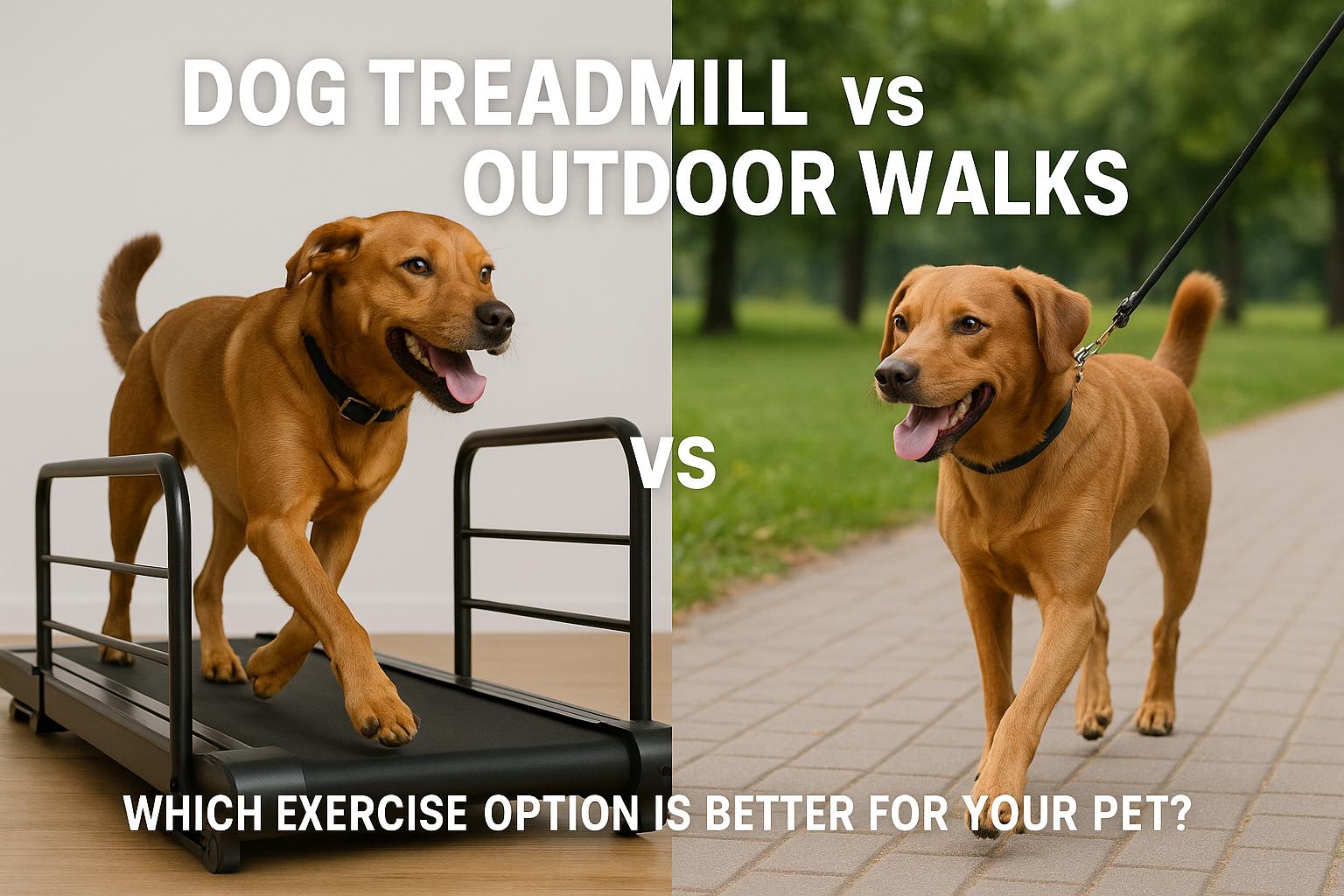
Dog Treadmill vs Outdoor Walks: Which Exercise Option Is Better for Your Pet?
Dog Treadmill vs Outdoor Walks: Which Exercise Option Is Better for Your Pet?
Keeping a dog fit sounds simple until real life intervenes. Rain arrives for a week, workdays run long, sidewalks become unsafe in extreme heat, or a high-energy dog still wants more movement after a decent walk. From my experience, this is exactly where the debate starts: should you rely on outdoor walks alone, or does a dog treatmill add something genuinely useful to your routine?
The honest answer is that both options can be valuable, but they serve slightly different purposes. Outdoor walks remain the gold standard for enrichment and exposure to the world. At the same time, a modern indoor fitness equipment designed specifically for dogs setup can provide structured exercise that many owners simply cannot guarantee outside every single day.
Key takeaway: If your dog needs reliable daily movement, the best routine is often not treadmill versus walks, but a thoughtful combination of both.
How Dog Treadmills and Outdoor Walks Differ
At first glance, both activities seem to do the same job: they help dogs burn energy. In practice, however, they are very different forms of exercise. A treadmill focuses on controlled, repetitive movement. An outdoor walk combines motion with sensory engagement, changing surfaces, social encounters, and unpredictable stimulation.
I think this distinction matters more than many buyers expect. A treadmill is primarily a conditioning tool. It helps monitor pace, duration, and effort with fewer variables. Outdoor walking, by contrast, is a whole-body, whole-mind activity. A dog is not just moving; it is sniffing, listening, reacting, navigating, and learning.
Typical use cases also vary. A treadmill often appeals to owners with demanding schedules, people living in areas with severe weather, or households with dogs that need extra controlled exercise beyond ordinary walks. Outdoor walks are better for dogs that need confidence-building, social exposure, and mental stimulation from the environment. In most homes, the real value comes from understanding when each method is most useful rather than declaring one universally better.
| Property | Dog Treadmill | Outdoor Walks |
|---|---|---|
| Primary strength | Controlled conditioning and routine | Enrichment and natural exploration |
| Best for | Bad weather, time limits, structured workouts | Mental stimulation, social exposure, changing terrain |
| Main limitation | Can become repetitive without supervision | Depends on weather, safety, and owner availability |
| Physical intensity | Easy to manage and scale | Less predictable but more varied |
Benefits of Using a Dog Treadmill
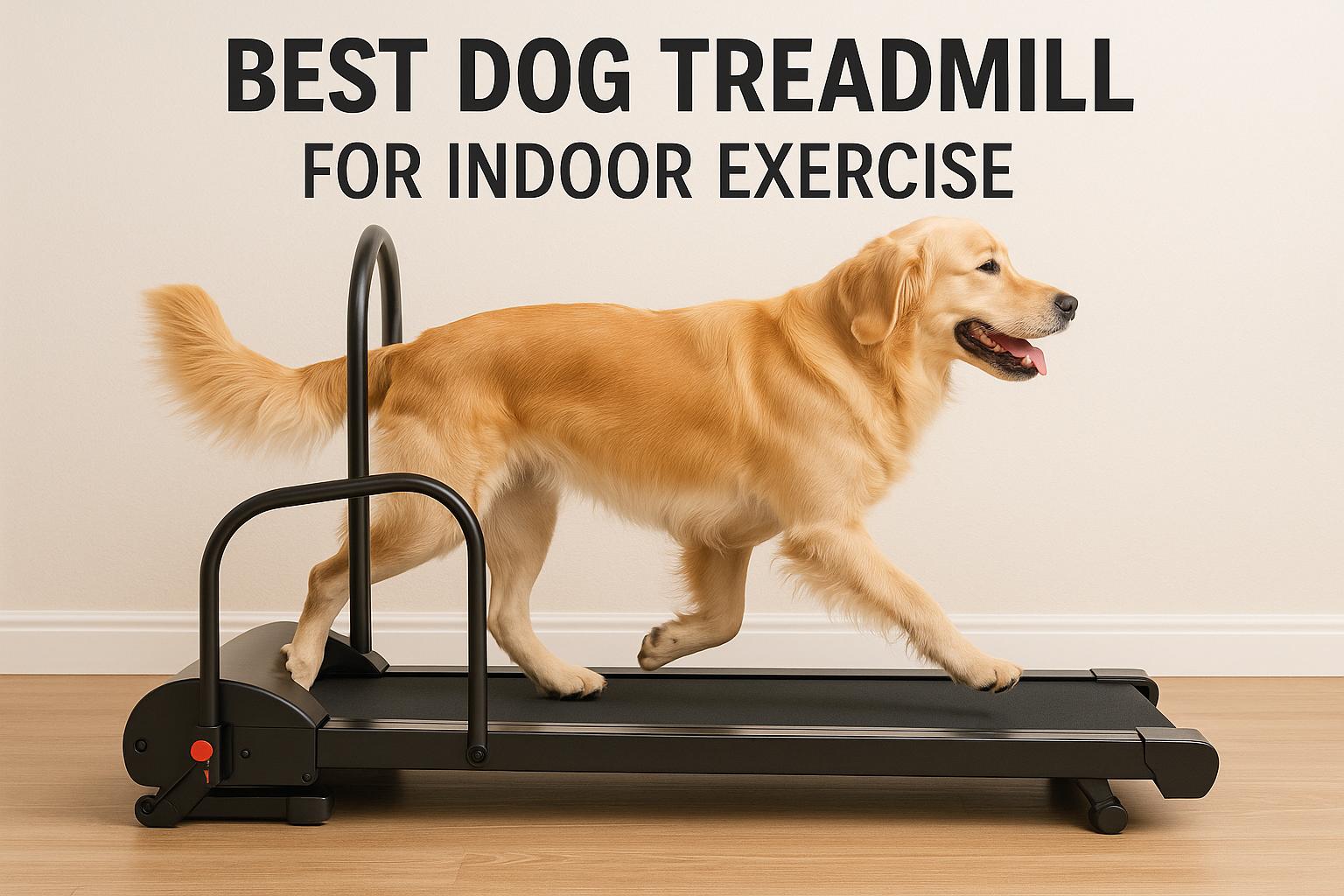
The strongest argument in favor of a treadmill is consistency. A dog that needs daily exercise still needs it when it is pouring rain, dangerously hot, or icy outside. A treadmill gives you a dependable fallback that does not depend on the season. For owners of working breeds, sporting dogs, or generally restless pets, that consistency can make a visible difference in behavior at home.
Another advantage is pace control. With outdoor walks, dogs often stop, pull, sniff, or get distracted. That is not inherently bad, but it makes conditioning less precise. A treadmill allows a measured session where speed, time, and intensity are easier to regulate. Some models also let you Adjust resistance, which can be useful when building tailored routines for stronger dogs or for gradual progression under professional guidance.
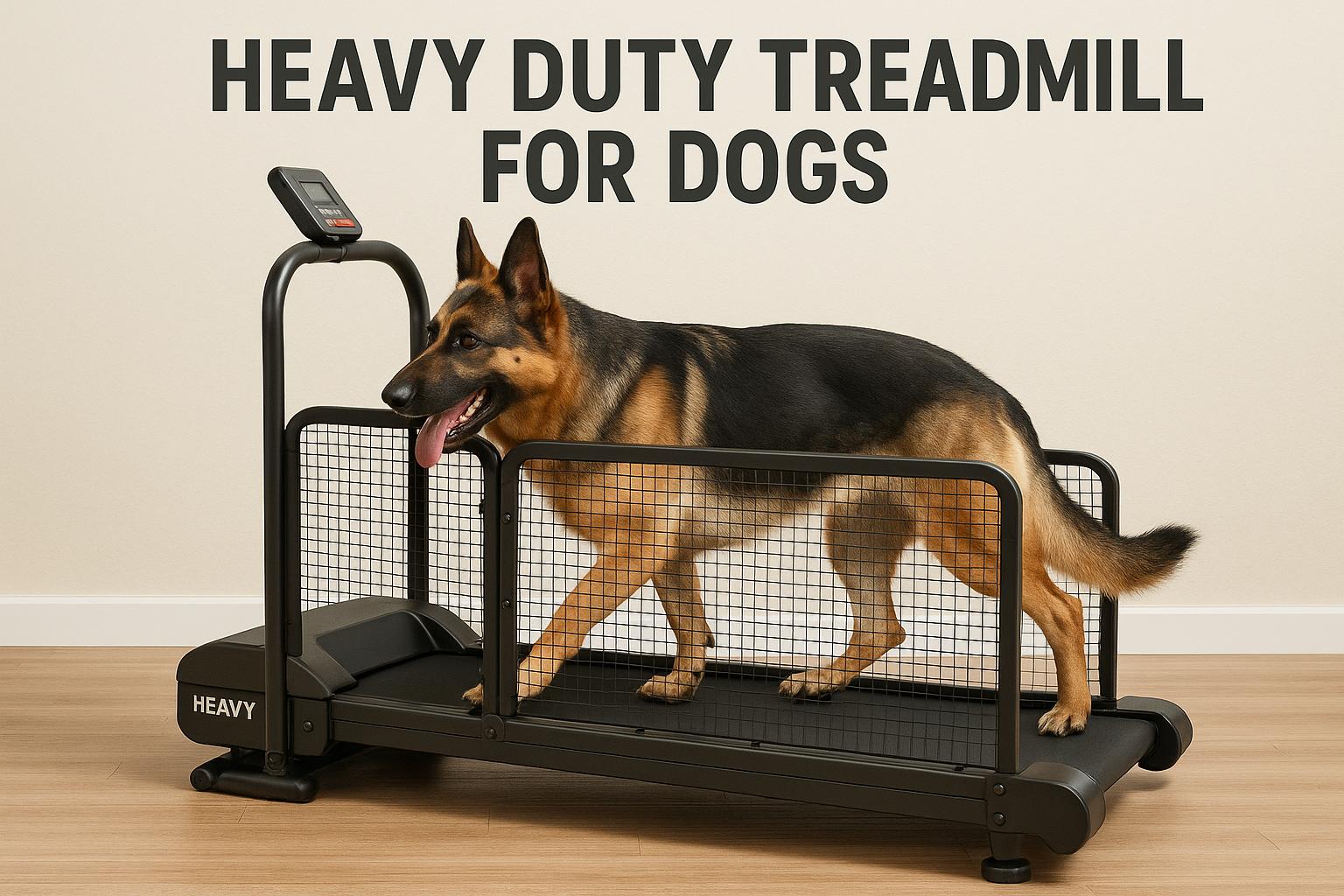
I also see value in treadmills for dogs with specific fitness goals. A dog recovering from inactivity, carrying excess weight, or needing a carefully monitored routine may benefit from repetitive, low-distraction exercise. This is especially true when the machine is quiet, stable, and appropriately sized. A Heavy-duty treadmill can be particularly relevant for large breeds that need more robust support and a safer platform.
Several owners now look at the Moysoon range for this reason, especially when they want a larger-capacity machine intended for regular use indoors. If you want to explore a current option that supports structured home exercise, you can [url="https://www.amazon.com/dp/B0CT682ZHG?ref=t_ac_view_request_product_image&campaignId=amzn1.campaign.1VFGY6B4PMYLV&linkCode=tr1&tag=simonsreccos-20&linkId=amzn1.campaign.1VFGY6B4PMYLV_1779955716737",name="see the available Moysoon dog treadmill variants here",title="This link leads to the Moysoon dog treadmill product page on Amazon"] and compare the size and feature fit for your dog.
For readers comparing alternatives, the related Moysoon variants at [url="https://www.amazon.com/dp/B0GXB46V8Z?ref=t_ac_view_request_popover_product_title&th=1",name="this model",title="This link leads to the Amazon product page"] and [url="https://www.amazon.com/dp/B0DR2RSYTZ?ref=t_ac_view_request_popover_product_title&th=1",name="this variant",title="This link leads to the Amazon product page"] are worth checking as well, especially if your priority is matching the treadmill dimensions and capacity to your dog's size and training needs.
"A treadmill should not replace your relationship with your dog; it should make a consistent exercise routine easier to maintain."
Advantages of Outdoor Walks for Dogs
Even so, I would never dismiss outdoor walks. In my view, they remain unmatched for mental health. Dogs interpret the world primarily through scent, and a walk offers thousands of scent cues in a single outing. That alone makes the experience richer than any indoor running session can replicate.
Walks also expose dogs to people, other animals, sounds, weather patterns, vehicles, and everyday novelty. For young dogs, that social and environmental exposure is part of becoming stable and adaptable. For adult dogs, it keeps the world familiar rather than overwhelming. In other words, walks do not merely tire a dog out; they help shape behavior and confidence.
There is also the physical benefit of varied terrain. Grass, pavement, slopes, and uneven natural ground challenge muscles differently than a flat treadmill surface. This variety can improve coordination and engage stabilizing muscles. A dog that only walks on one type of surface or only runs on a machine may miss some of that balanced body work.
Practical note: If your dog is anxious, reactive, or easily overstimulated, outdoor walks may still be essential, but they often need to be structured carefully rather than replaced entirely by indoor exercise.
Potential Drawbacks of Each Exercise Method
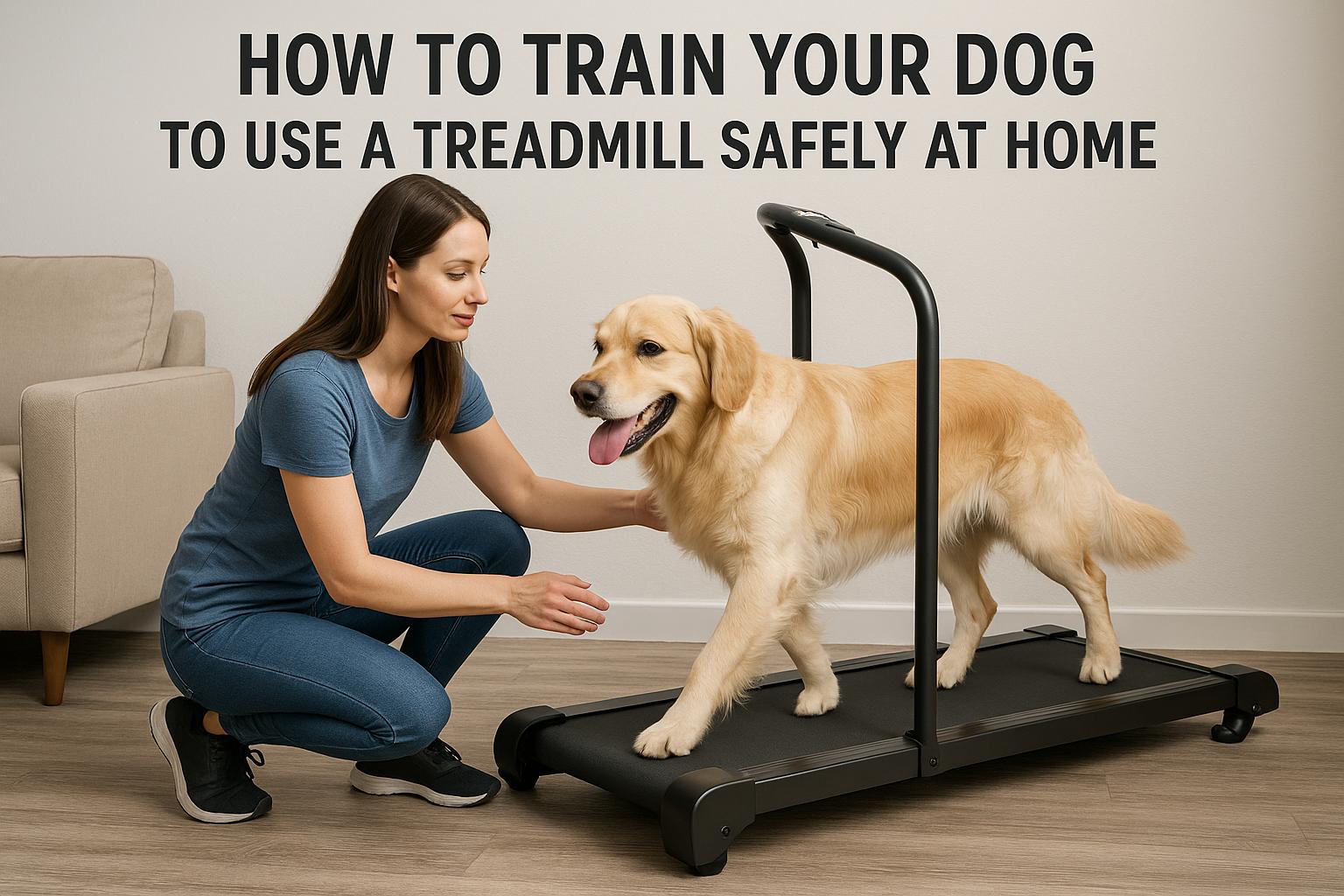
Neither option is perfect. Treadmills can become monotonous, and improper use is a genuine concern. A dog should never be forced onto a moving treadmill, left unsupervised, or pushed at a pace beyond its comfort level. Poor fit, excessive speed, weak footing, or an unsuitable belt length can all turn a good idea into a stressful one.
There is also the boredom factor. Some dogs tolerate treadmill work but clearly do not enjoy it. Others adapt well once introduced slowly with rewards and short sessions. Much depends on temperament, training, and how thoughtfully the routine is built.
Outdoor walks have their own complications. The obvious ones are weather and time, but the bigger issue is unpredictability. Loose dogs, traffic, litter, overstimulation, parasites, and difficult sidewalks all affect the quality and safety of an outing. In urban areas especially, a “simple walk” can become an exercise in management rather than a calm training session.
- Dog treadmills offer dependable exercise regardless of weather
- Structured pace helps with conditioning and weight management
- Useful for large breeds when built as a stable heavy-duty treadmill
- Can support owners with limited time or restricted outdoor access
- Treadmills do not provide the same mental stimulation as walks
- Improper use can stress or fatigue a dog unnecessarily
- Outdoor walks are vulnerable to weather, safety risks, and distractions
- Busy dogs may still need both exercise and enrichment, not just one method
Which Dogs Benefit Most From a Treadmill
Not every dog needs a treadmill, but some benefit far more than others. High-energy breeds are the obvious example. If you live with a dog that still seems restless after ordinary daily walks, a short, structured treadmill session can take the edge off in a safe and predictable way.
Dogs in rehabilitation may also benefit, although I would strongly stress veterinary input here. Controlled movement can be useful for rebuilding stamina or managing exercise carefully, but only if the program is matched to the dog’s condition. A treadmill is a tool, not a shortcut.
There is another group that often gets overlooked: dogs whose owners have limited outdoor access. Apartment living, severe climates, neighborhood safety issues, and long work shifts are all real constraints. In those homes, a treadmill may be the difference between inconsistent activity and a dependable daily routine.
If that sounds familiar, product quality matters. Stability, noise control, size, and weight capacity are not cosmetic details. They directly affect whether the dog feels secure using the equipment. I would prioritize those practical traits over flashy claims every time.
How to Choose the Better Option for Your Pet
Start with the dog in front of you. Age, breed, health status, confidence level, and energy profile should shape the decision. A senior dog may need gentler, shorter exercise. A young herding breed may need both aerobic output and extensive enrichment. A brachycephalic dog may struggle in heat and therefore benefit from carefully controlled indoor sessions.
Your home setup matters too. A treadmill takes space, and while many are designed to be more compact than human machines, they still require safe placement and clear supervision. If your schedule is unpredictable, a treadmill may add welcome reliability. If you live near parks and enjoy long daily outings, outdoor walking may already cover most of your dog’s needs.
For many households, the best answer is not either-or but both-and. Walks remain essential for exploration and mental stimulation. Treadmill sessions can fill gaps, improve consistency, and support targeted conditioning. That blended routine often proves more realistic and more effective than trying to rely on one method alone.
| Property | Choose Treadmill More Often | Choose Outdoor Walks More Often |
|---|---|---|
| Weather conditions | Frequent heat, rain, snow, or unsafe surfaces | Mild climate and easy daily access outdoors |
| Dog temperament | Comfortable with routine and indoor training | Thrives on novelty, scents, and exploration |
| Owner schedule | Limited and inconsistent time blocks | Reliable time for full walks every day |
| Exercise goal | Structured fitness and calorie-burning support | Enrichment, confidence, and social exposure |
Smart Exercise Habits for Safe, Healthy Results
Whatever method you choose, begin gradually. Dogs need time to understand the treadmill, just as they need time to build stamina outdoors. Short sessions, calm encouragement, and close observation go much further than trying to rush progress. Watch gait, breathing, posture, and recovery after exercise.
Use proper equipment and active supervision. On a treadmill, that means a secure environment, an appropriate speed, and no forcing. Outdoors, it means temperature awareness, paw safety, hydration, and route choice. In both settings, the dog’s comfort should guide the plan.
From my perspective, the smartest routine pairs structure with variety. A treadmill can deliver reliable, weatherproof cardio. Walks can preserve curiosity, confidence, and joy. Together, they create a more complete exercise life than either one usually offers alone.
If you are considering adding a treadmill to your dog’s routine, compare features carefully and focus on size, stability, and ease of use rather than marketing language alone. You can [url="https://www.amazon.com/dp/B0CT682ZHG?ref=t_ac_view_request_product_image&campaignId=amzn1.campaign.1VFGY6B4PMYLV&linkCode=tr1&tag=simonsreccos-20&linkId=amzn1.campaign.1VFGY6B4PMYLV_1779955718746",name="discover the current Moysoon dog treadmill options here",title="This link leads to the Moysoon dog treadmill listing on Amazon"] if you want to evaluate whether one of these indoor units fits your pet’s size and exercise habits.
Final recommendation
Choose outdoor walks for enrichment, choose a treadmill for consistency, and use both when your dog needs a practical, sustainable exercise plan. If your home life, climate, or dog’s energy level makes daily exercise hard to maintain, take a closer look at a well-built treadmill and then build around it with regular outdoor time whenever possible.
- help
Can a dog treadmill replace walks completely?
No, not in most cases. A treadmill can replace some physical exercise, but it cannot fully replicate outdoor enrichment, scent exploration, and social exposure.
- help
Are treadmills safe for large dogs?
They can be, provided the model is appropriately sized and stable. For big breeds, a heavy-duty treadmill with a strong frame and enough running surface is essential.
- help
How long should a dog use a treadmill?
That depends on age, fitness, breed, and health. Start with short sessions of a few minutes and build gradually while watching your dog closely. If your pet has medical concerns, ask your veterinarian before beginning.
- help
Is a treadmill useful for weight loss?
Yes, as part of a broader plan involving diet, consistency, and veterinary guidance when needed. Structured indoor exercise can help support calorie expenditure, especially when outdoor activity is unreliable.