How Heart Rate Monitoring Helps Seniors Exercise More Safely on a Treadmill
How Heart Rate Monitoring Helps Seniors Exercise More Safely on a Treadmill
For many older adults, walking indoors is one of the most practical ways to stay active. A Treadmill for Senior users can provide routine, convenience, and a more controlled environment than outdoor walking. Still, the question I hear most often is not about speed or incline. It is about safety. In my experience, Heart Rate Monitoring is one of the most useful tools for making treadmill exercise safer, more predictable, and easier to adjust from day to day.
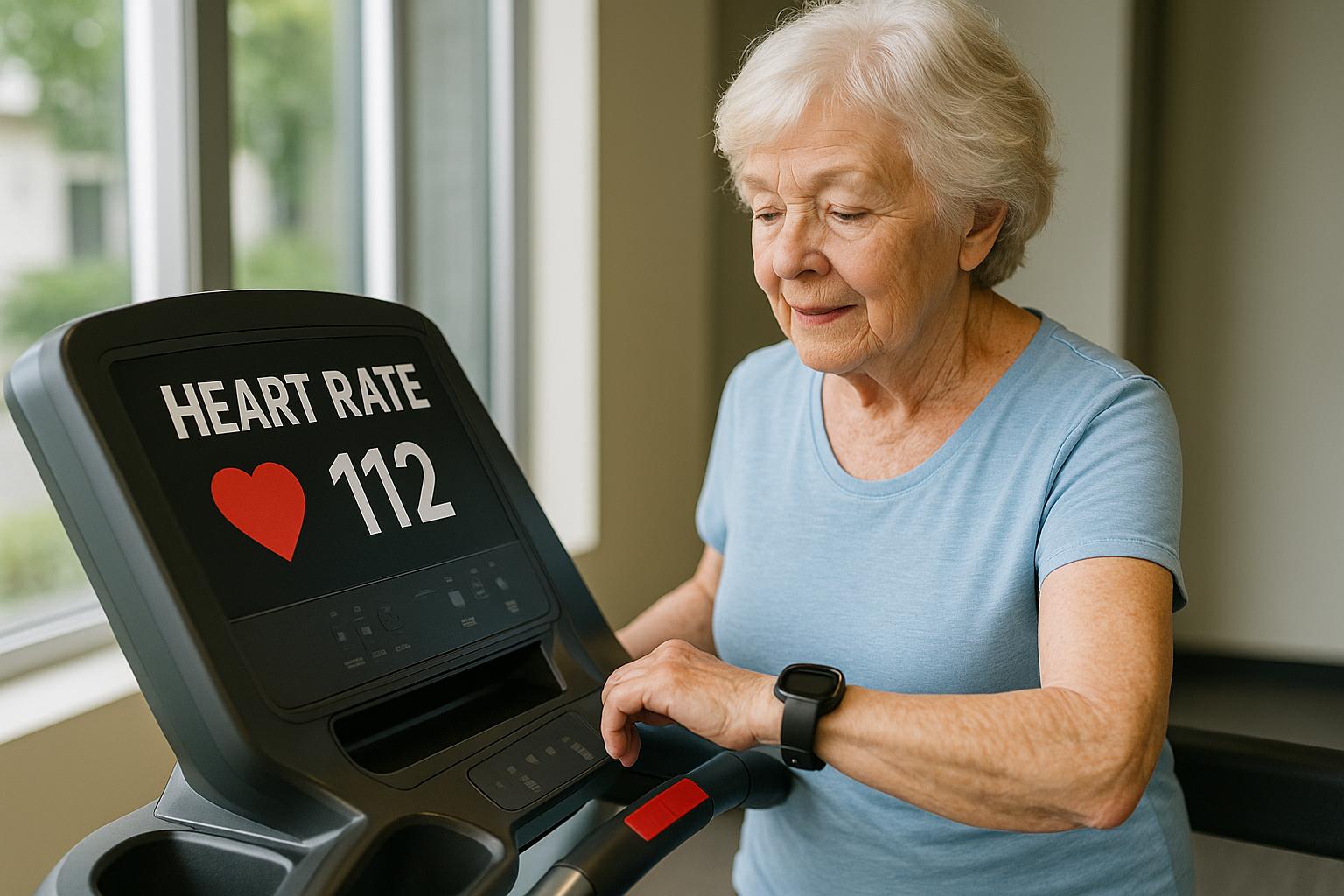
Used well, heart rate data does not turn exercise into a medical test. Instead, it gives seniors and caregivers a practical signal: is the body responding comfortably, or is the pace becoming too demanding? That is especially important on Treadmills for Senior users, where confidence, stability, and ease of operation matter just as much as performance.
Key takeaway: Heart rate readings help seniors stay in an effort range that supports mobility and cardiovascular health without drifting too far into overexertion.
Why Heart Rate Monitoring Matters for Seniors on a Treadmill
As we age, exercise can feel different even at modest intensity. Walking at a pace that once felt easy may now produce quicker fatigue, lighter balance changes, or heavier breathing. That is one reason Heart Rate Monitoring matters. It offers a second layer of information beyond how a workout feels subjectively.
From my perspective, this is particularly helpful because age-related changes are rarely identical from one person to another. Some seniors remain highly active, while others are rebuilding stamina after time away from exercise, illness, or physical therapy. A treadmill session that looks gentle from the outside can still push one individual harder than expected. Monitoring heart rate can reveal that difference in real time.
There is also a psychological benefit. Many seniors feel more confident when they can see simple numbers on the display and know they are staying within a comfortable effort level. That confidence often leads to more consistent walking habits, and consistency is usually more important than intensity.
“The safest treadmill routine for older adults is not necessarily the slowest one. It is the one that matches current fitness, balance, and cardiovascular response.”
How Heart Rate Helps Prevent Overexertion
The most immediate value of heart rate feedback is that it helps identify when intensity is creeping too high. On a treadmill, that can happen gradually. A person may increase speed slightly, add a bit of incline, and then continue walking without noticing how much the body is working until fatigue arrives all at once.
Real-time readings make that drift easier to catch. If the heart rate climbs above the planned range, the user can slow down, reduce incline, hold the handrails securely, and recover before symptoms become more serious. In my experience, this is especially useful for seniors who are motivated and tend to “push through” discomfort.
Of course, heart rate is not the only warning sign. If someone feels dizzy, unusually short of breath, faint, or develops chest discomfort, the treadmill session should stop regardless of what the display says. But as an early indicator, heart rate can be remarkably useful for preventing that point from being reached.
Practical rule: If heart rate rises unexpectedly for a familiar pace, it may be time to shorten the session, reduce speed, hydrate, or stop and reassess.
Target Heart Rate Zones for Older Adults
Target heart rate is often discussed as a formula, but I think it is more helpful to treat it as a guideline, not a rigid rule. Older adults vary widely in medication use, fitness history, and medical background. Still, having a general zone helps structure a session.
For many seniors doing light to moderate treadmill walking, the aim is usually a conversational effort level rather than intense training. That means the pace should feel sustainable, breathing should remain controlled, and posture should stay steady. For basic walking, endurance building, or recovery-oriented exercise, the lower to moderate range generally makes the most sense.
| Goal | Suggested Effort | How It Usually Feels |
|---|---|---|
| Warm-up or recovery | Low intensity | Easy conversation, very light breathing change |
| Daily walking for health | Light to moderate | Comfortable but purposeful pace |
| Endurance improvement | Moderate | Noticeable effort, still controlled and steady |
| Higher-intensity intervals | Moderate to challenging | Only appropriate with medical clearance and strong stability |
For seniors taking beta blockers or other medications that affect heart rate, the displayed number may not tell the full story. In those cases, combining the reading with perceived effort is essential. I strongly recommend asking a physician or cardiac rehab professional for individualized guidance if there is any uncertainty.
Types of Heart Rate Monitoring on Treadmills
Not all monitoring systems work the same way. On many treadmill models, heart rate is measured through hand grip sensors. These are convenient and easy to use, especially for people who want simplicity. A user lightly holds the sensors on the front or side rails, and the machine estimates pulse. For casual walking, that can be enough.
The downside is accuracy. Grip sensors can be inconsistent if the hands are dry, if arm movement changes, or if the user does not maintain steady contact. Chest straps and wearable devices such as wrist trackers often provide more continuous data. Chest straps are typically the most accurate, while wrist wearables offer a good compromise between convenience and ongoing monitoring.
For many older adults, ease of use matters as much as precision. A treadmill with built-in sensors may be more realistic for daily use than a separate accessory that feels complicated. On the other hand, seniors who already wear a smartwatch may prefer that familiar system. In short, the best method is the one that the user can understand, trust, and use consistently.
- Grip sensors are simple and built into many senior treadmills.
- Wearables offer continuous monitoring without needing to hold the rails.
- Chest straps tend to provide the best accuracy for structured training.
- Grip sensors may be less accurate during movement.
- Wearables can vary by brand and fit.
- Chest straps may feel inconvenient for casual users.
How to Use Heart Rate Data During a Treadmill Session
The smartest way to use treadmill heart rate data is to build the whole session around it. I prefer a simple three-part structure: warm-up, steady walking, and cool-down. During the warm-up, the goal is not calorie burn or mileage. It is to let the cardiovascular system adjust gradually. That means starting slowly, especially on an advanced treadmill with multiple controls and incline settings.
Once the body has settled into motion, the user can bring the speed to a level that raises heart rate into the intended range without compromising posture or balance. If numbers rise too quickly, the answer is usually straightforward: reduce speed, lower incline, or pause briefly. The cool-down matters just as much. Rather than stepping off immediately, seniors should taper the pace and allow heart rate to come down gradually.
This is also where thoughtful machine design makes a difference. Models with handrail controls are particularly useful because they let users adjust speed while keeping both hands in a stable position. That may sound like a small detail, but on a Treadmill for Seniors, it can significantly reduce hesitation and improve confidence.
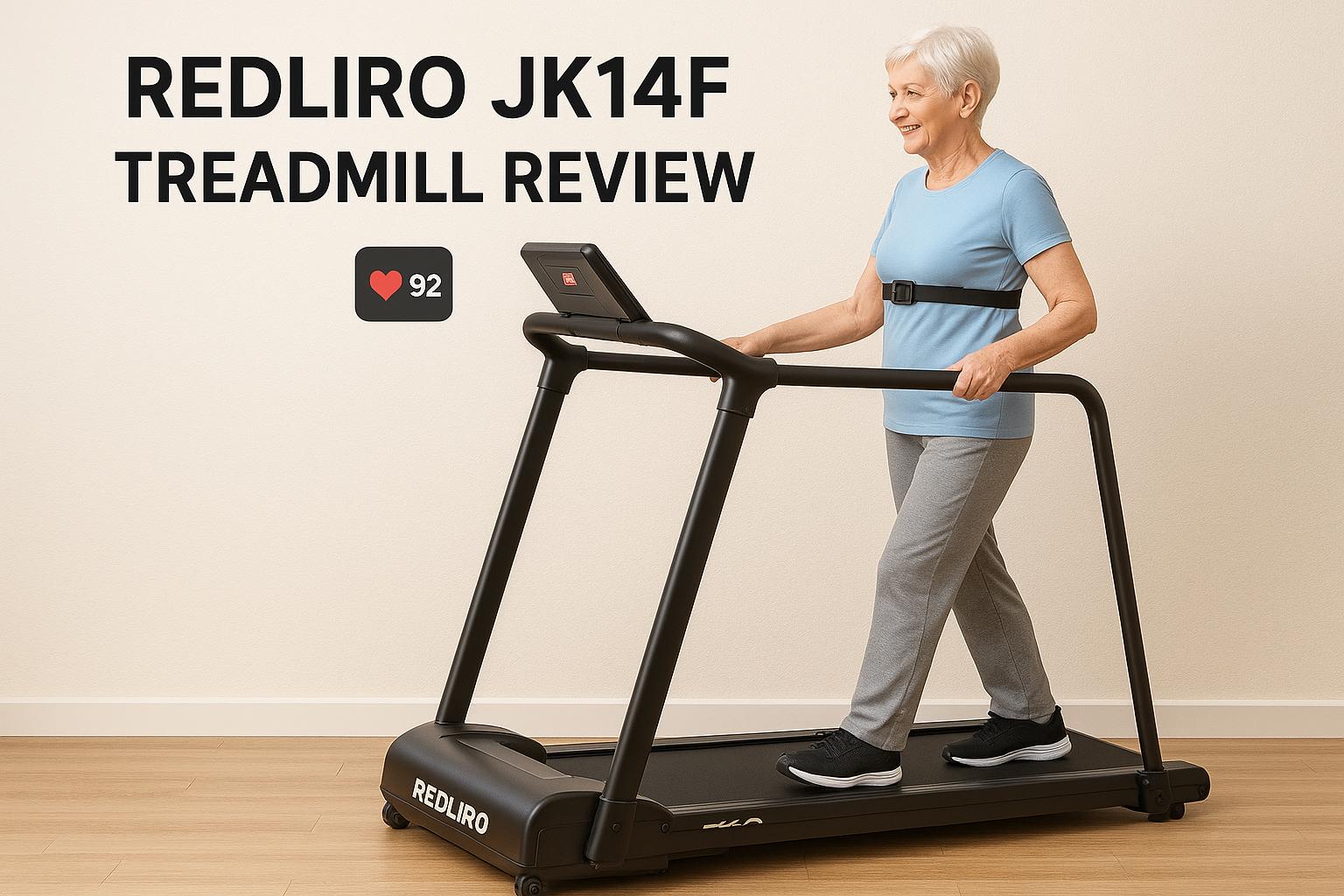
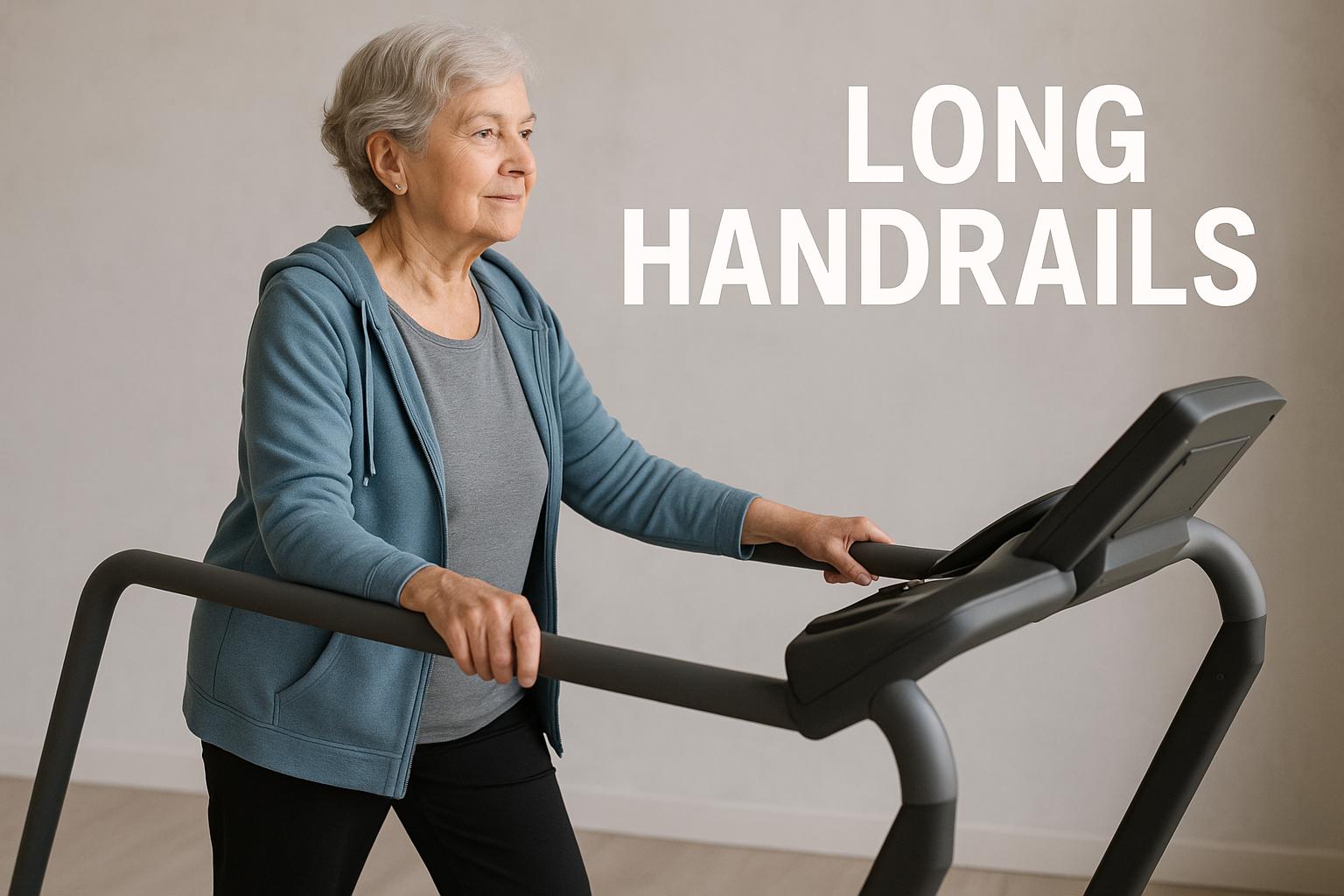
If you are comparing options, it is worth looking at models built specifically around support and slower pacing. The Redliro JK14F, for example, focuses on long handrails and Heart Rate Monitoring, which makes it especially relevant for users who want feedback without adding extra gadgets. Discover it here: [url="https://www.amazon.com/dp/B0DSW3Q47T?ref=t_ac_view_request_product_image&campaignId=amzn1.campaign.1H3U3UVHG2IBY&linkCode=tr1&tag=simonsreccos-20&linkId=amzn1.campaign.1H3U3UVHG2IBY_1779956399711",name="Redliro JK14F treadmill",title="This link leads to the Redliro JK14F treadmill on Amazon"]
Safety Tips Seniors Should Follow While Monitoring Heart Rate
Heart rate feedback is helpful, but it should always be part of a larger safety routine. In my view, the basics still matter most: wear supportive shoes, keep the walking surface clear, stay hydrated, and avoid stepping onto a moving belt. If there is any concern about balance, supervision or nearby assistance is a very good idea.
It is also critical to know when to stop. Exercise should end immediately if there is chest pain, severe shortness of breath, dizziness, confusion, or unusual weakness. Persistent irregular readings or unexplained changes in exercise tolerance deserve medical attention, not guesswork. Monitoring is a support tool, not a substitute for care.
- Start each session slowly and allow extra time for warming up.
- Use handrails for stability, not for leaning heavily throughout the session.
- Keep water nearby and pause if the room feels too warm.
- Do not chase a target number if the body feels unsteady.
- Seek medical advice before starting if there is a history of heart disease, falls, or recent surgery.
Choosing a Senior-Friendly Treadmill With Heart Rate Features
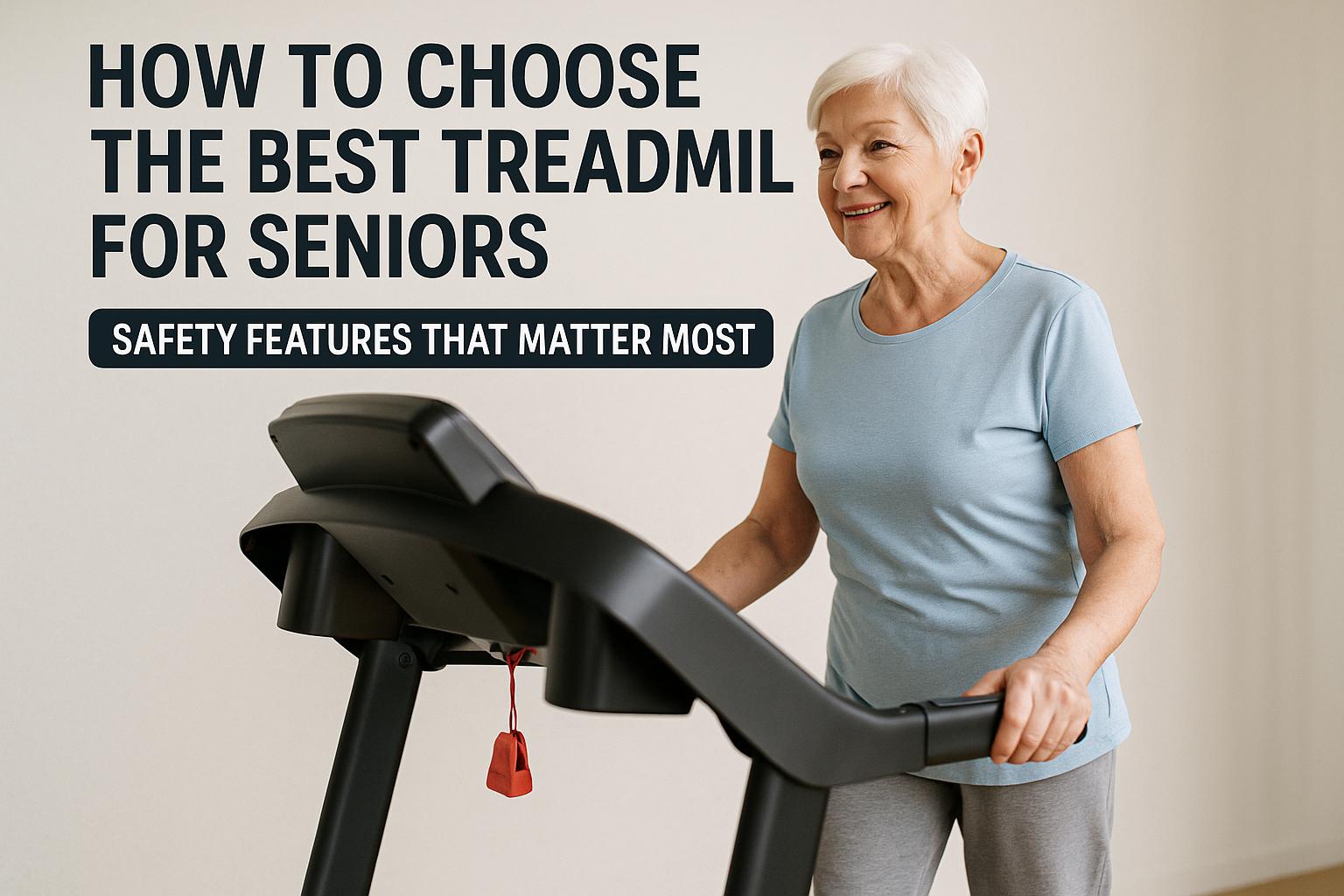
When I assess a treadmill for older adults, I look beyond top speed and motor size. For this audience, readable displays, low starting speeds, supportive rail design, and easy controls are often far more important. A good Treadmill for Senior users should reduce uncertainty, not add to it.
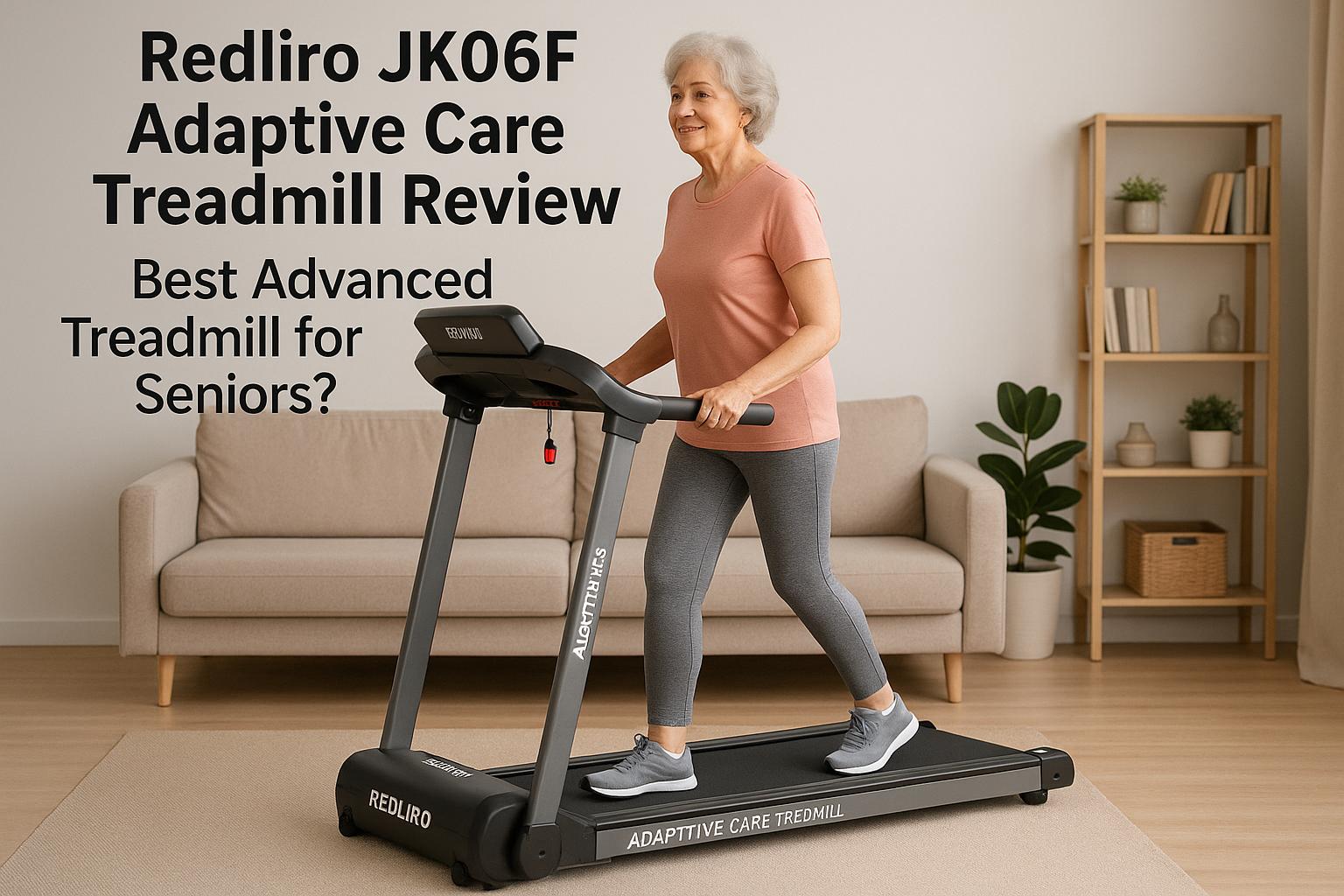
That is why several Redliro models stand out in different ways. The JK14F is the obvious choice for buyers who specifically want built-in pulse support and handrail-mounted controls. The newer JK06F Adaptive Care model emphasizes a highly supportive frame and customizable incline, which can be appealing for seniors or rehab users who want a more tailored setup: [url="https://www.amazon.com/dp/B0FJRWMGY3?ref=t_ac_view_request_product_image&campaignId=amzn1.campaign.UHJQWILKHJGC&linkCode=tr1&tag=simonsreccos-20&linkId=amzn1.campaign.UHJQWILKHJGC_1779956389241",name="Redliro JK06F Adaptive Care Treadmill",title="This link leads to the Redliro JK06F Adaptive Care Treadmill on Amazon"]
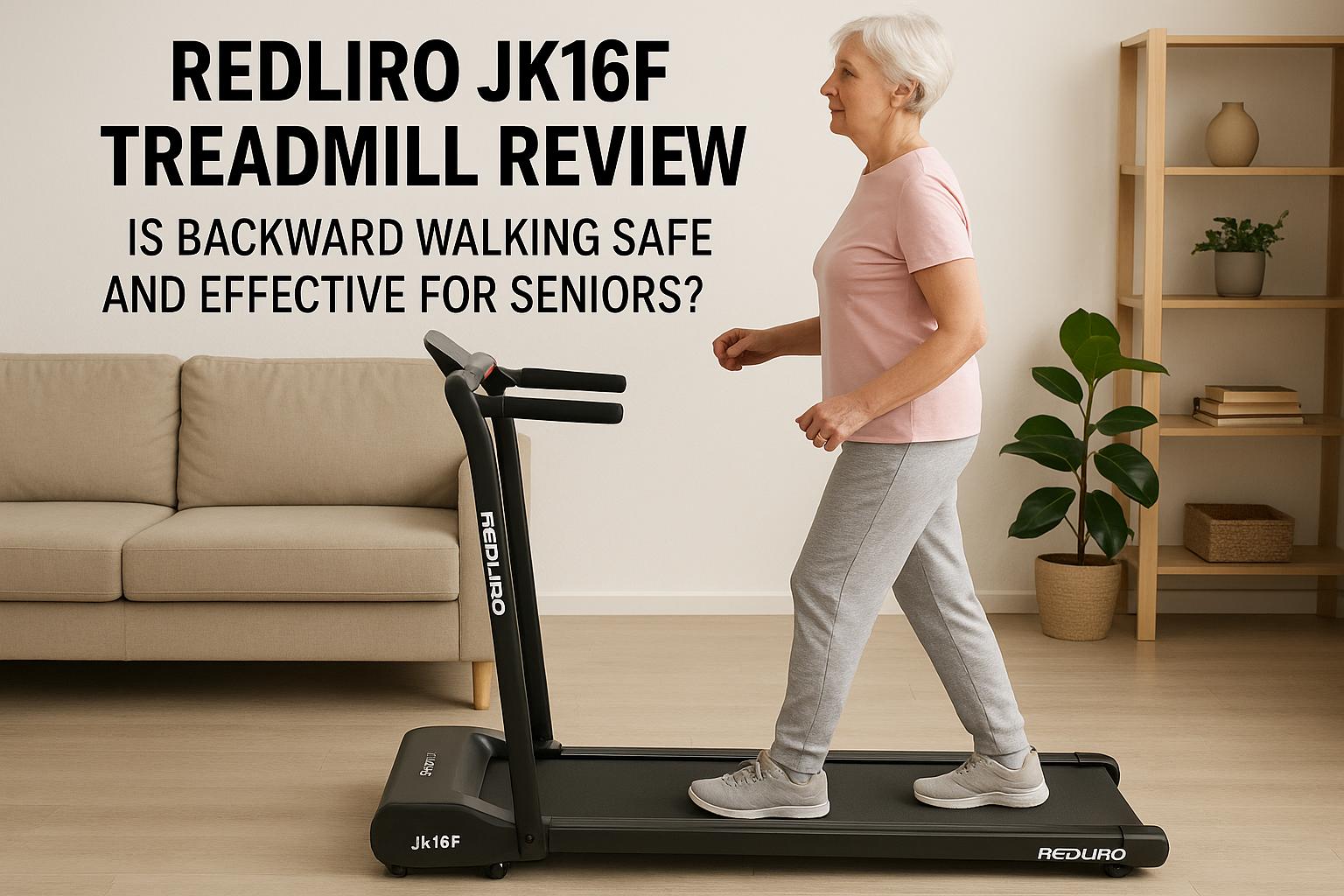
For users focused on very gentle pacing and balance training, the JK16F deserves attention because it starts at 0.3 MPH and even supports backward walking under controlled conditions: [url="https://www.amazon.com/dp/B0GQK5SSF5?ref=t_ac_view_request_product_image&campaignId=amzn1.campaign.2QVYAZMK3TZVB&linkCode=tr1&tag=simonsreccos-20&linkId=amzn1.campaign.2QVYAZMK3TZVB_1779956393804",name="Redliro JK16F Backward Treadmill",title="This link leads to the Redliro JK16F Backward Treadmill on Amazon"]
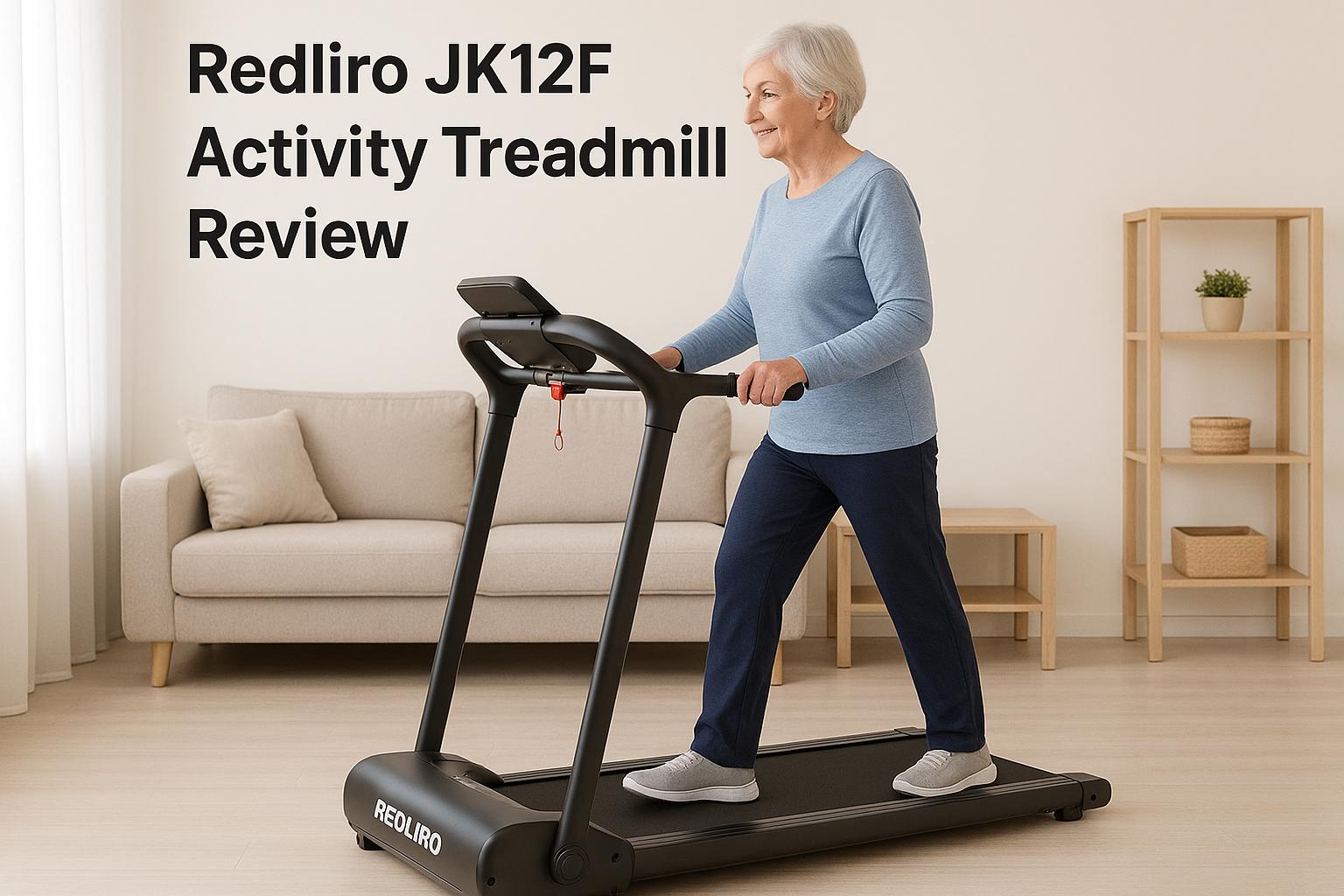
The JK12F takes a different approach by integrating a desk board for reading, video chatting, or other quiet daily activities during light walking, which may help sedentary seniors move more often: [url="https://www.amazon.com/dp/B0DNMJ8KMV?ref=t_ac_view_request_product_image&campaignId=amzn1.campaign.2VNLSW6EEHC3J&linkCode=tr1&tag=simonsreccos-20&linkId=amzn1.campaign.2VNLSW6EEHC3J_1779956396014",name="Redliro JK12F Activity Treadmill",title="This link leads to the Redliro JK12F Activity Treadmill on Amazon"]
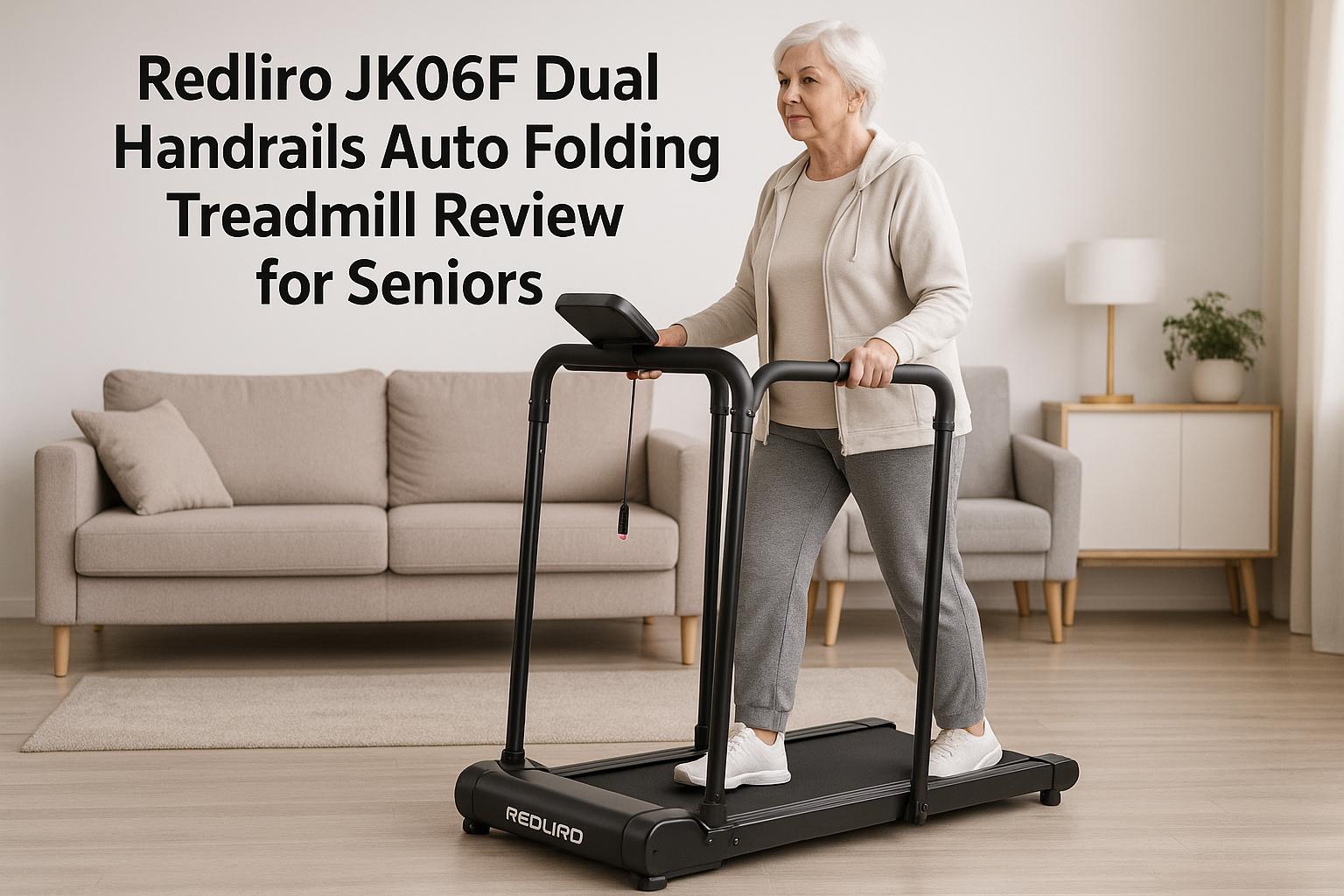
And for households where storage convenience matters, the dual-handrail JK06F auto-folding version offers another practical route: [url="https://www.amazon.com/dp/B0B7664DJB?ref=t_ac_view_request_product_image&campaignId=amzn1.campaign.13C4MKA2SF1UG&linkCode=tr1&tag=simonsreccos-20&linkId=amzn1.campaign.13C4MKA2SF1UG_1779956402530",name="Redliro JK06F Auto-Folding Treadmill",title="This link leads to the Redliro JK06F Auto-Folding Treadmill on Amazon"]
| Model | Best For | Standout Feature |
|---|---|---|
| Redliro JK14F | Seniors focused on monitored daily walking | Heart rate monitoring with long handrails |
| Redliro JK06F Adaptive Care | Users needing strong support and customized setup | Surrounding stability frame and adjustable incline |
| Redliro JK16F | Very gentle walking and balance-oriented routines | 0.3 MPH start and backward walking mode |
| Redliro JK12F | Integrating movement into daily life | Desk board and flat, joint-friendly deck |
| Redliro JK06F Auto-Folding | Support-focused users with limited space | Dual handrails and folding convenience |
My Recommendation for Safer Senior Treadmill Walking
If I had to summarize the issue simply, it would be this: the best treadmill routine for older adults is one that stays measurable, comfortable, and repeatable. Heart Rate Monitoring supports all three. It helps users pace themselves with more confidence, reduce guesswork, and make informed adjustments before a session becomes too demanding.
For anyone shopping now, I recommend starting with the treadmill features that directly affect safety: low starting speed, stable handrails, readable console, simple controls, and monitoring that the user will actually use. Then match those tools to comfort and mobility needs rather than chasing athletic specifications.
Explore the senior-friendly options mentioned above and choose the model that fits your routine best. For straightforward monitored walking, the Redliro JK14F is a strong place to begin. For gentler starts or specialized support, the JK06F, JK16F, and JK12F each offer a distinct advantage. A thoughtful setup today can make daily movement safer and more sustainable tomorrow.