Incline vs Flat Deck: Which Treadmill for Seniors Is Better for Joint Comfort?
Incline vs Flat Deck: Which Treadmill for Seniors Is Better for Joint Comfort?
Choosing a Treadmill for Seniors is rarely just about speed or display features. In my experience, the more important question is much simpler: how does the machine feel after ten, fifteen, or thirty minutes of walking? For older adults, joint comfort often decides whether a treadmill becomes part of a healthy routine or ends up unused in a corner. That is why the debate between incline and flat deck designs matters so much.
I have found that both approaches can work, but they serve different bodies and different goals. A fully flat deck often feels calmer, more predictable, and easier on balance. An incline-capable machine, by contrast, can add variety and even improve comfort for some users when used carefully at low levels. The key is knowing when each design helps and when it creates unnecessary strain.
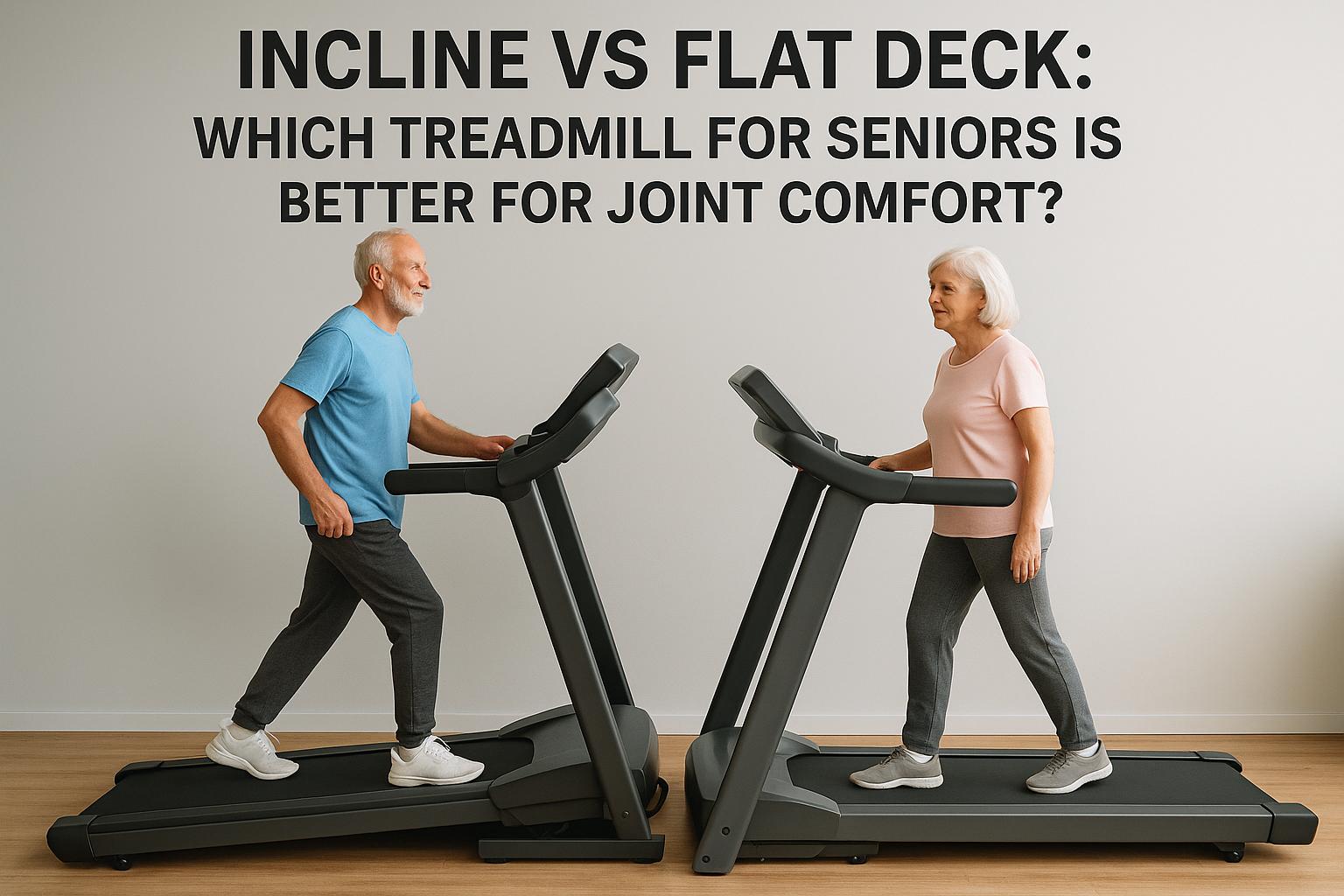
Quick takeaway: For most older adults focused on comfort, confidence, and consistency, a flat deck treadmill is usually the safer starting point. Adjustable incline becomes more useful when it is mild, optional, and paired with strong handrails and easy controls.
Why Joint Comfort Matters for Seniors Choosing a Treadmill
Knees, hips, and ankles absorb repeated force with every step. That is true outdoors, and it remains true on a treadmill. The difference is that a treadmill can either reduce stress through cushioning and controlled pacing or increase it through awkward angles, unstable posture, or a poor walking rhythm. Seniors with arthritis, prior injury, reduced balance, or general stiffness tend to notice these differences quickly.
The most common pressure points are predictable. The knees often complain first, especially if the user overstrides or walks on a hard-feeling deck. Hips can become irritated when stride mechanics change too much, while ankles and calves may feel overloaded if the treadmill angle places the foot in a more demanding position. From my perspective, comfort comes from matching the walking surface to the user, not from choosing the most feature-packed machine.
“Low-impact” does not always mean “zero effort.” It means the effort is controlled, repeatable, and better tolerated by the joints over time.
Workout style also matters. A slow, steady walk with hand support creates a very different load profile than brisk walking at an incline. This is why two older adults can use the same machine and report opposite results. One feels supported and energized; the other feels knee tension after ten minutes. The treadmill design is important, but the way it is used is just as important.
How Flat Deck Treadmills Support Low Impact Exercise
Flat deck treadmills are often the easiest recommendation for a senior who wants dependable comfort. Because the surface remains level, the body experiences a more predictable loading pattern. That tends to help users maintain a natural walking rhythm without having to compensate for changing angles. In plain terms, the walk feels steadier and less demanding.
Beginners often do better with a flat setup because there is less to think about. They can focus on posture, step placement, breathing, and pace instead of adapting to a climbing sensation. I think this matters more than many buyers realize. Simplicity builds confidence, and confidence usually leads to consistency.
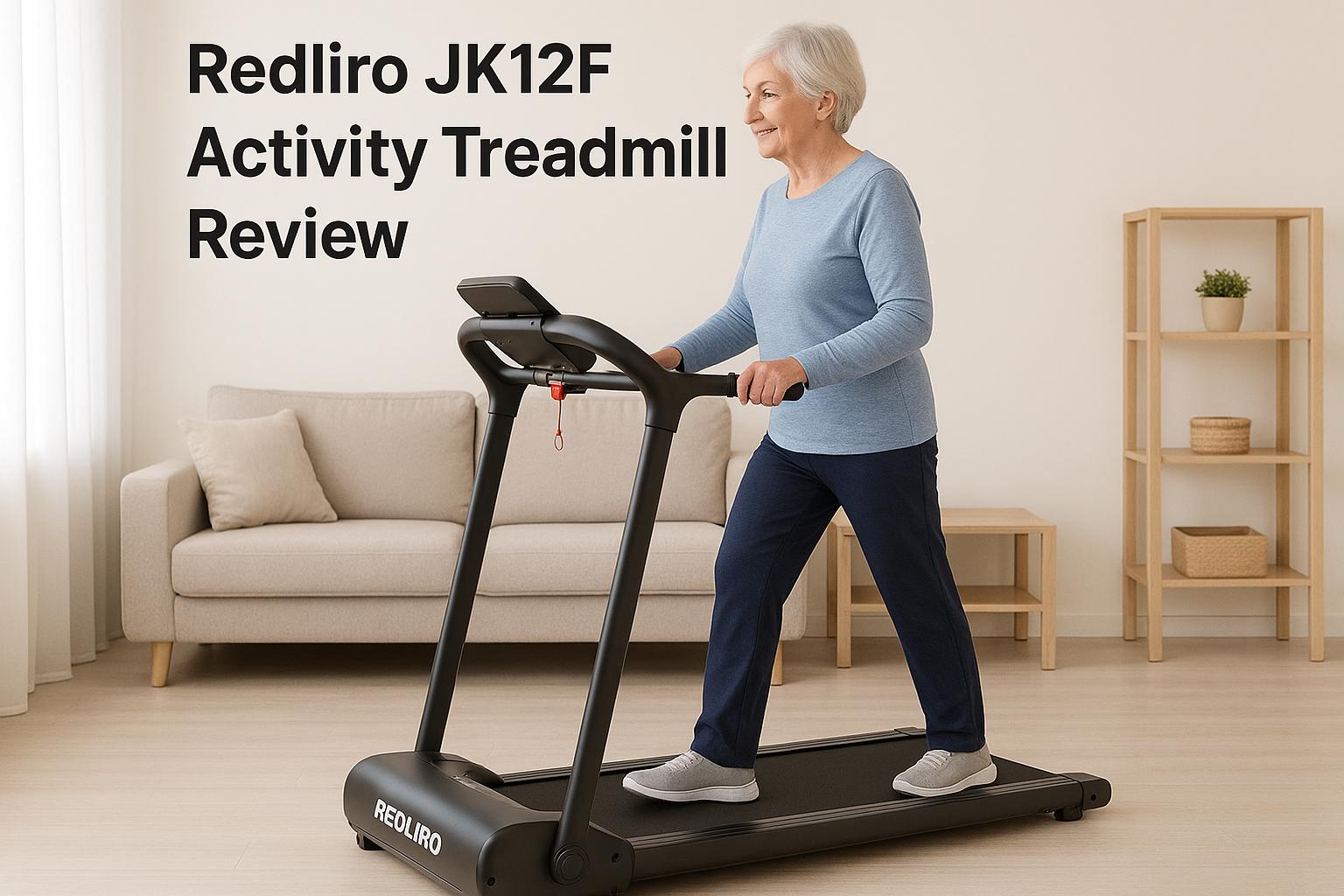
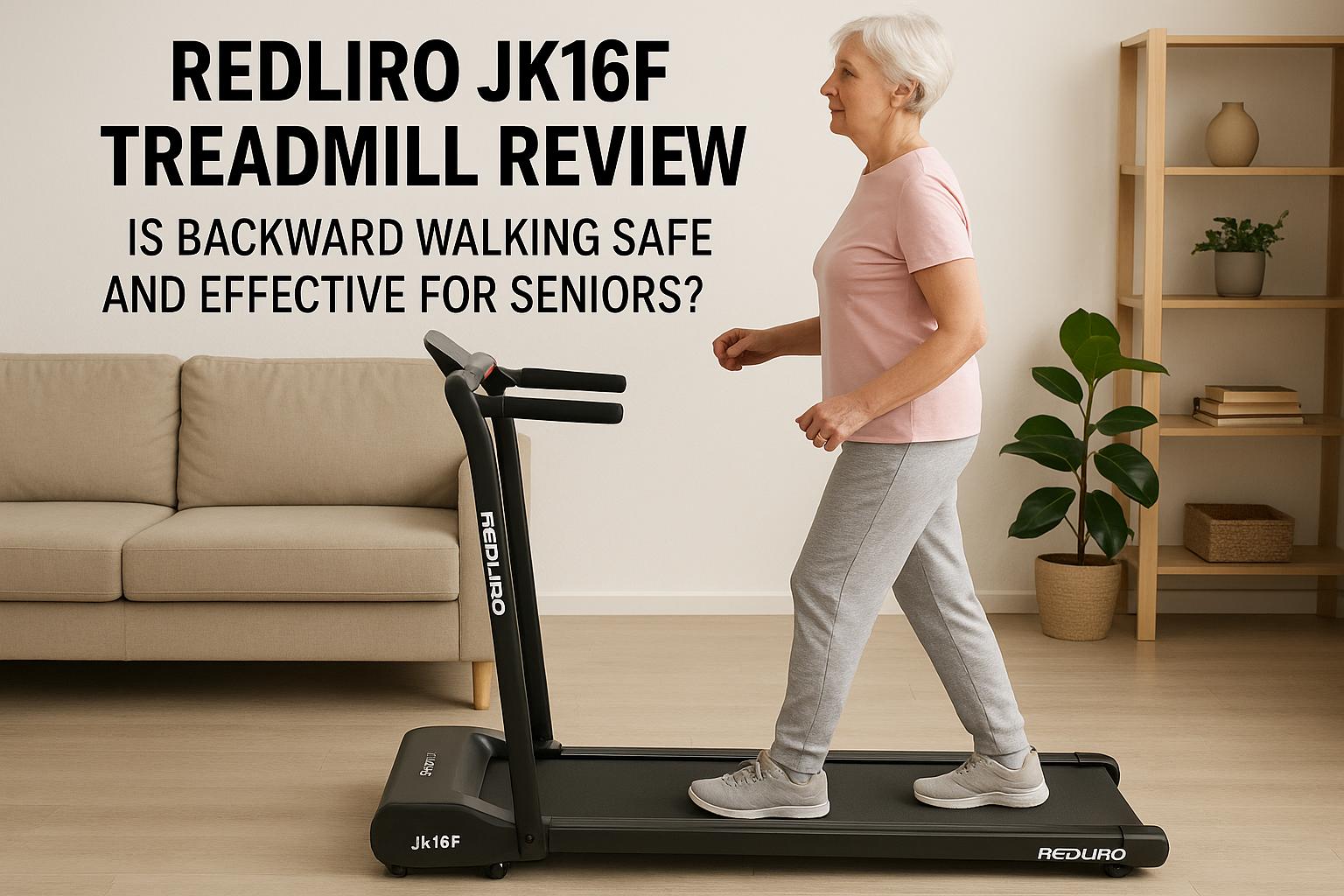
Several of the Redliro models in this category are clearly built around that idea. The Redliro JK16F emphasizes a fully flat gentle walking surface, very slow starting speeds from 0.3 MPH, and long handrails. That combination makes sense for seniors who need a calm, stable platform. Its backward walking mode is more specialized, but the real comfort advantage for many users is the level deck and controlled pace. The Redliro JK12F follows a similarly joint-friendly concept with a zero-incline design and extended handrail support, while adding a desk board that can make longer, slower walks feel more relaxed and enjoyable rather than clinical.
If you want to explore a few suitable options, I would start by looking at [url="https://www.amazon.com/dp/B0GQK5SSF5?ref=t_ac_view_request_product_image&campaignId=amzn1.campaign.2QVYAZMK3TZVB&linkCode=tr1&tag=simonsreccos-20&linkId=amzn1.campaign.2QVYAZMK3TZVB_1779956393804",name="the Redliro JK16F flat walking treadmill",title="This link leads to the Redliro JK16F on Amazon"] or [url="https://www.amazon.com/dp/B0DNMJ8KMV?ref=t_ac_view_request_product_image&campaignId=amzn1.campaign.2VNLSW6EEHC3J&linkCode=tr1&tag=simonsreccos-20&linkId=amzn1.campaign.2VNLSW6EEHC3J_1779956396014",name="the Redliro JK12F with desk board",title="This link leads to the Redliro JK12F on Amazon"]. Both fit the profile of Treadmills for Senior users who value structure, low impact movement, and ease of use.
How Incline Treadmills Change Strain and Muscle Use
Incline shifts the walking demand. On the positive side, a slight incline can shorten stride patterns for some users and reduce the pounding sensation that comes from walking too fast on a flat surface. I have seen seniors report that a mild incline encourages them to take smaller, more deliberate steps, which can sometimes feel more comfortable than reaching out into a long flat stride.
However, the benefits stop quickly when the incline becomes too ambitious. Even a modest slope increases demand on the calves, hamstrings, hips, and balance system. It also changes ankle position and can make users lean forward if they are not well supported. For someone with tight calves, hip weakness, or unstable posture, incline may feel less comfortable rather than more.
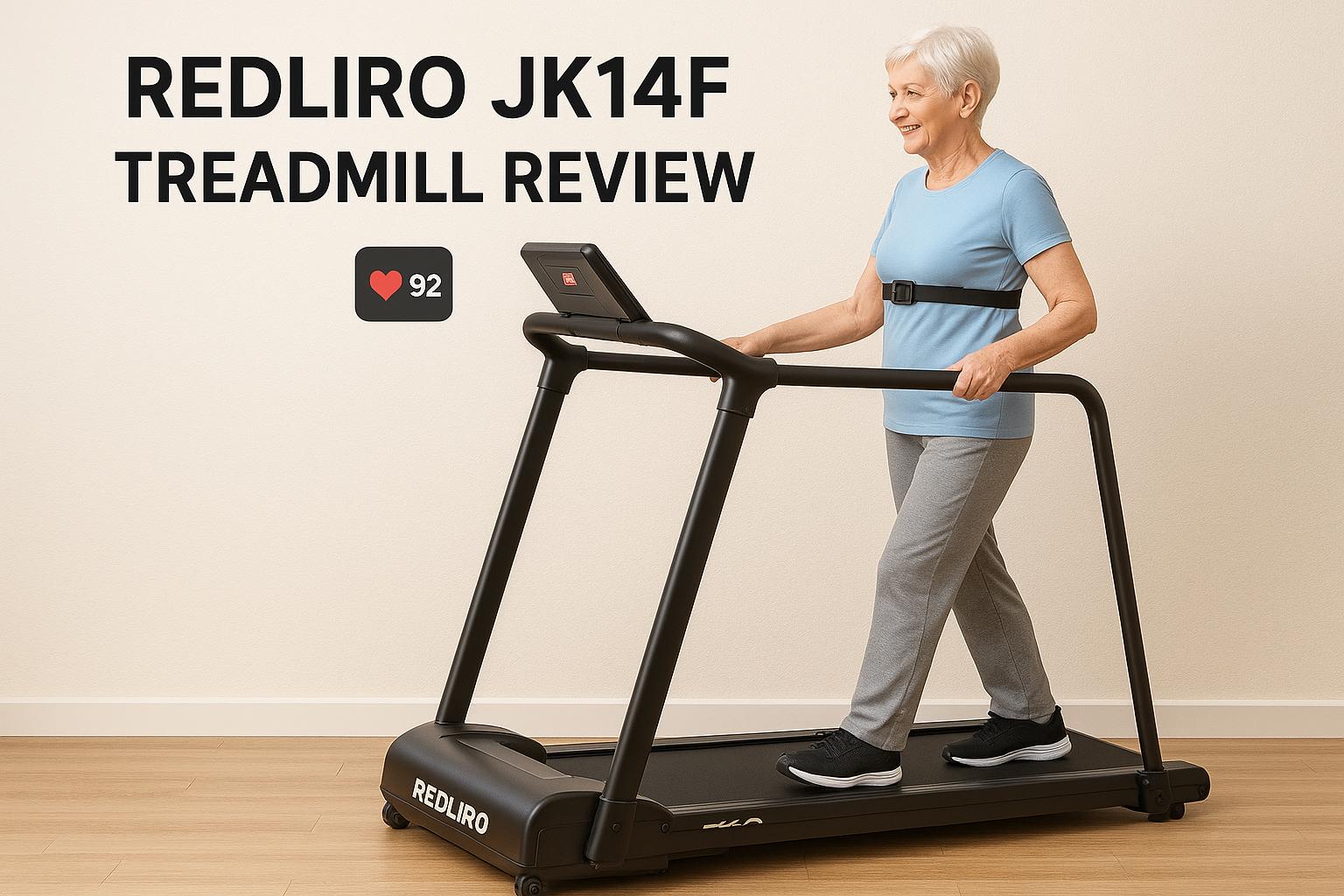
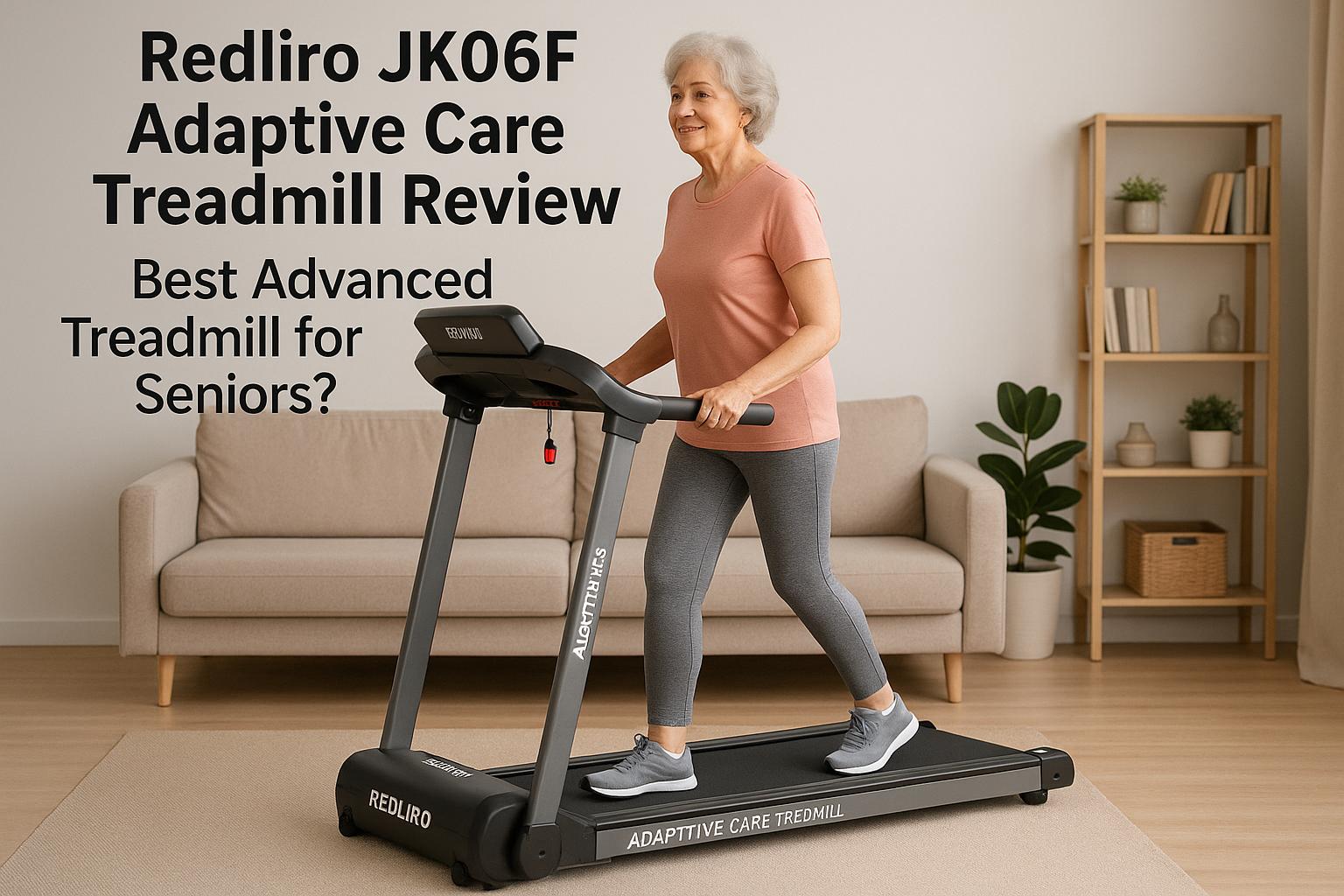
This is where adjustable incline is important. A treadmill that can stay flat but also offer low, controlled incline settings is more useful than one that pushes users toward climbing as a default mode. The Redliro JK14F is a good example of an adaptive design. Its incline blocks offer the option of a level deck or a slight uphill challenge, while the long handrails and on-rail speed controls help users stay supported. The Redliro JK06F Adaptive Care Treadmill also fits this category with customizable incline and a support-focused frame built around long handrails.
Comparing Incline and Flat Deck Options for Senior Mobility Needs
For arthritis, general joint sensitivity, rehabilitation, or balance concerns, I usually favor a flat deck first. It limits variables, supports even pacing, and reduces the chance that a user will overwork the calves or alter posture in ways that irritate the knees or hips. That is one reason the flat-deck category remains so appealing for a Treadmill for Senior buyer shopping for home use.
Still, there are cases where adjustable incline adds value. A senior with good baseline balance, mild conditioning goals, and no major ankle or knee limitations may appreciate the flexibility. Mild incline can help vary muscle use, avoid monotony, and create a training progression without relying on fast walking speeds. In my opinion, the keyword is optional. Seniors do not need aggressive hill training; they need control.
| Property | Flat Deck | Incline-Capable Deck |
|---|---|---|
| Joint comfort for most beginners | ⭐⭐⭐⭐⭐ | ⭐⭐⭐ |
| Ease of use | Very simple and predictable | More settings to manage |
| Balance confidence | Usually stronger | Depends on handrails and incline level |
| Training flexibility | Limited but steady | Better progression options |
| Best fit | Arthritis, recovery, daily walking | Conditioning with controlled progression |
- Flat decks usually feel calmer and more joint-friendly for beginners
- Incline can add variety without requiring faster speeds
- Long handrails improve confidence in both categories
- Slow-start motors are especially helpful for seniors
- Steeper incline can increase calf, ankle, and hip strain
- Flat-only models offer less progression over time
- Poorly placed controls can reduce stability during speed changes
- Hard decks may still feel uncomfortable even without incline
Key Treadmill Features That Improve Joint Comfort
Deck angle is only one piece of the equation. Cushioning and shock absorption matter just as much, although manufacturers do not always describe them clearly. I look first for a deck that does not feel harsh underfoot, then for long handrails, low step-up height, and speed controls that can be reached without compromising posture.
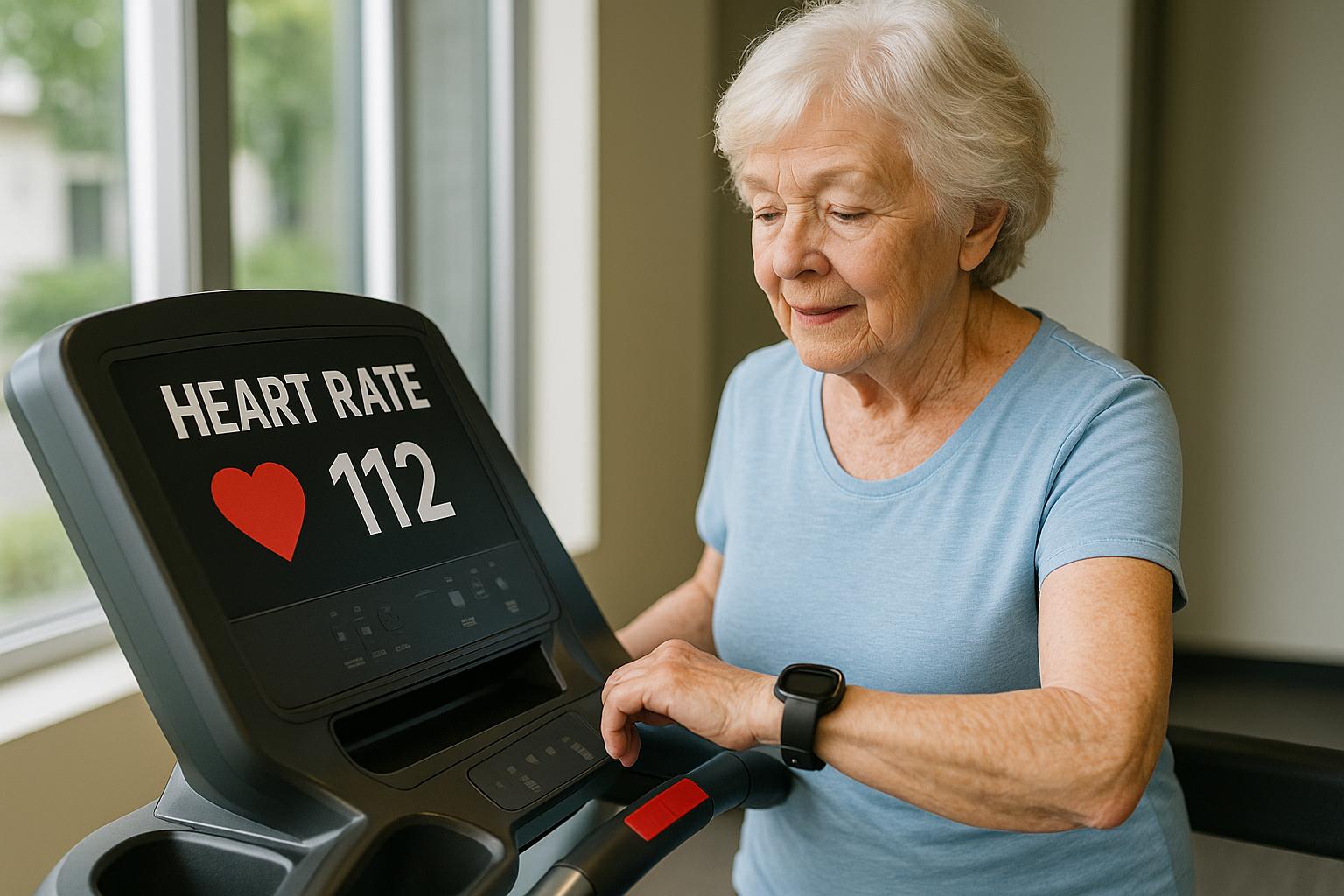
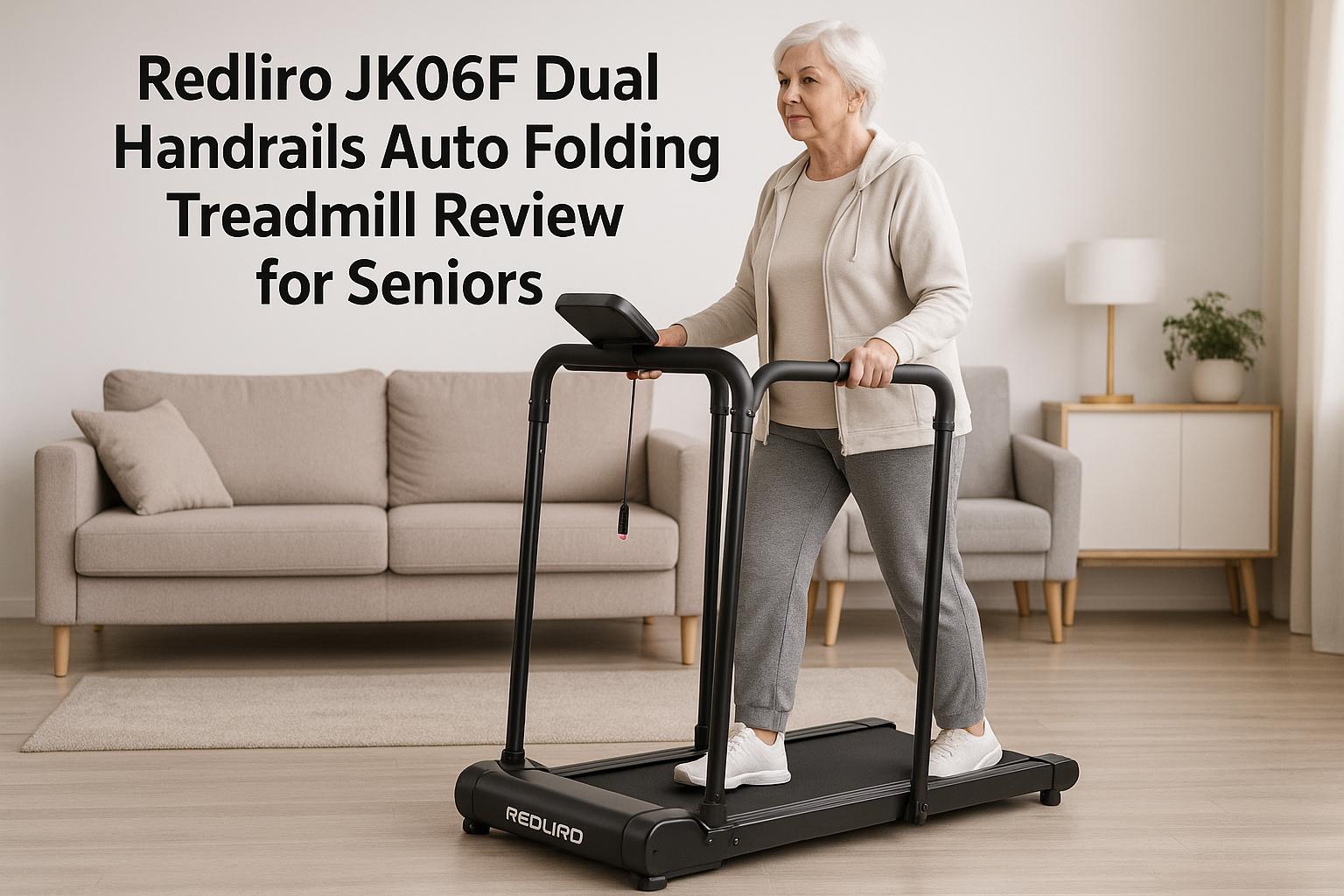
That is where these Redliro machines start to separate themselves from generic compact treadmills. The JK14F adds Heart Rate Monitoring alongside long handrails and handrail speed buttons, which is genuinely useful for seniors who need to stay within a comfortable effort range. The JK06F dual-handrail auto-folding version offers a surrounding support structure and a very gentle 0.3 MPH start, which can make mounting and beginning a session feel far less intimidating. Meanwhile, the JK12F offers a lifestyle-friendly flat deck with desk board convenience, and the JK16F stays focused on steady walking and support.
- Long handrails: continuous support through the full stride
- Low starting speed: especially valuable for deconditioned users
- Simple speed controls: better than buried menu settings
- Heart Rate Monitoring: useful for pacing and reassurance
- Low step-up height: easier entry and exit
- Cushioned deck feel: reduces cumulative discomfort
If you are comparing models, I recommend looking at [url="https://www.amazon.com/dp/B0DSW3Q47T?ref=t_ac_view_request_product_image&campaignId=amzn1.campaign.1H3U3UVHG2IBY&linkCode=tr1&tag=simonsreccos-20&linkId=amzn1.campaign.1H3U3UVHG2IBY_1779956399711",name="the Redliro JK14F with Heart Rate Monitoring",title="This link leads to the Redliro JK14F on Amazon"], [url="https://www.amazon.com/dp/B0FJRWMGY3?ref=t_ac_view_request_product_image&campaignId=amzn1.campaign.UHJQWILKHJGC&linkCode=tr1&tag=simonsreccos-20&linkId=amzn1.campaign.UHJQWILKHJGC_1779956389241",name="the Redliro JK06F Adaptive Care Treadmill",title="This link leads to the Redliro JK06F Adaptive Care Treadmill on Amazon"], and [url="https://www.amazon.com/dp/B0B7664DJB?ref=t_ac_view_request_product_image&campaignId=amzn1.campaign.13C4MKA2SF1UG&linkCode=tr1&tag=simonsreccos-20&linkId=amzn1.campaign.13C4MKA2SF1UG_1779956402530",name="the Redliro JK06F dual-handrail folding model",title="This link leads to the Redliro JK06F dual-handrail treadmill on Amazon"] to see how support and control features differ in practice.
Safety Considerations Before Choosing an Incline Model
Incline needs more respect than marketing language usually suggests. A treadmill that appears gentle on paper can still cause overexertion if the user increases the angle too quickly or walks with unstable posture. Seniors may compensate by gripping too hard, leaning heavily onto the rails, or shortening their breath without realizing it. From my experience, all of these are signs the setup is too demanding.
Emergency stop functions are essential, and so is a supervised first setup if the user is unfamiliar with treadmill walking. I also think the first sessions should be boring on purpose: low speed, no distractions, and minimal incline if any. Safety comes from repetition, not from novelty. An advanced treadmill with many functions is only better if the user can operate it comfortably and confidently.
Practical rule: if mild incline changes posture, causes rail dependence, or creates calf tightness within a few minutes, return to flat walking. Joint comfort should improve routines, not complicate them.
Recommendation: Which Treadmill Type Is Better for Most Seniors
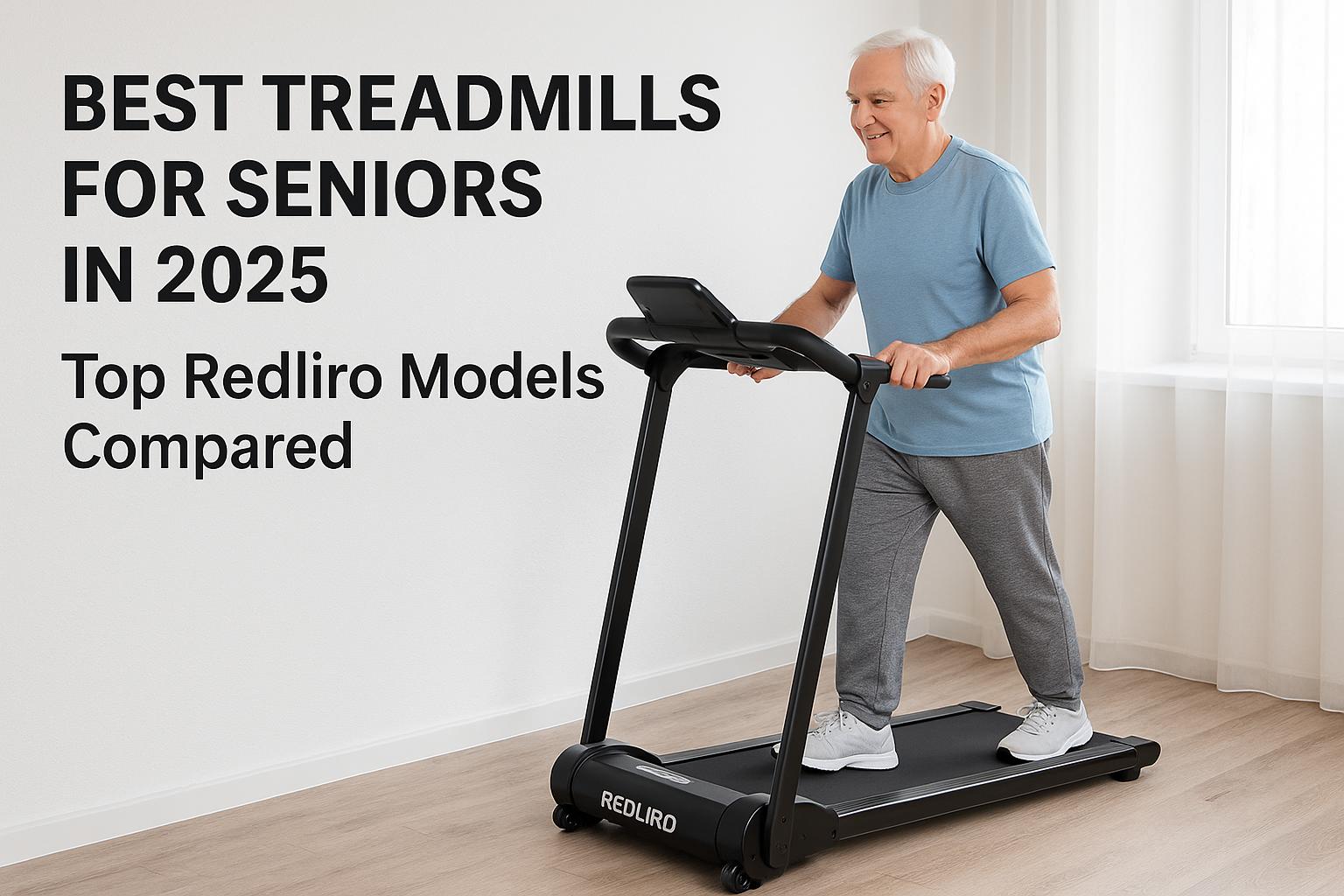
For most seniors, I believe a flat deck treadmill is the better default choice for joint comfort. It supports predictable loading, simpler movement, and stronger confidence, especially for arthritis, recovery, cautious beginners, and anyone who prioritizes steady daily walking over workout variety. Models such as the Redliro JK16F and Redliro JK12F are strong examples of that philosophy.
That said, incline-capable models still have a place. Seniors who want gentle progression, controlled variety, and the ability to test slight uphill walking may do well with the Redliro JK14F or the incline-adjustable JK06F versions, provided the incline remains modest and the machine includes excellent hand support. In those cases, the best treadmill is not strictly incline or flat. It is the one that can remain flat when needed and only add challenge when the user is ready.
My overall recommendation is straightforward: begin with comfort, support, and ease of use, then add flexibility only if it genuinely improves the walking experience. Discover the models that best fit your needs by comparing [url="https://www.amazon.com/dp/B0GQK5SSF5?ref=t_ac_view_request_product_image&campaignId=amzn1.campaign.2QVYAZMK3TZVB&linkCode=tr1&tag=simonsreccos-20&linkId=amzn1.campaign.2QVYAZMK3TZVB_1779956393804",name="JK16F",title="This link leads to the Redliro JK16F on Amazon"], [url="https://www.amazon.com/dp/B0DNMJ8KMV?ref=t_ac_view_request_product_image&campaignId=amzn1.campaign.2VNLSW6EEHC3J&linkCode=tr1&tag=simonsreccos-20&linkId=amzn1.campaign.2VNLSW6EEHC3J_1779956396014",name="JK12F",title="This link leads to the Redliro JK12F on Amazon"], [url="https://www.amazon.com/dp/B0DSW3Q47T?ref=t_ac_view_request_product_image&campaignId=amzn1.campaign.1H3U3UVHG2IBY&linkCode=tr1&tag=simonsreccos-20&linkId=amzn1.campaign.1H3U3UVHG2IBY_1779956399711",name="JK14F",title="This link leads to the Redliro JK14F on Amazon"], [url="https://www.amazon.com/dp/B0FJRWMGY3?ref=t_ac_view_request_product_image&campaignId=amzn1.campaign.UHJQWILKHJGC&linkCode=tr1&tag=simonsreccos-20&linkId=amzn1.campaign.UHJQWILKHJGC_1779956389241",name="JK06F Adaptive Care",title="This link leads to the Redliro JK06F Adaptive Care Treadmill on Amazon"], and [url="https://www.amazon.com/dp/B0B7664DJB?ref=t_ac_view_request_product_image&campaignId=amzn1.campaign.13C4MKA2SF1UG&linkCode=tr1&tag=simonsreccos-20&linkId=amzn1.campaign.13C4MKA2SF1UG_1779956402530",name="JK06F Dual Handrails",title="This link leads to the Redliro JK06F dual-handrail treadmill on Amazon"]. Try the option that matches your mobility, your space, and your confidence level best.
Frequently Asked Questions
- help
Is incline bad for senior knees?
Not always, but it can be if the setting is too steep or if the user has poor balance, ankle stiffness, or existing knee pain. Mild incline may feel fine for some people, yet flat walking is usually the safer starting point.
- help
What is the best treadmill speed for seniors starting out?
Very slow starts matter. Models that begin at 0.3 MPH are especially helpful because they let the user settle posture before building pace. Most beginners do best when comfort, not speed, sets the session.
- help
Why are handrails so important on a Treadmill for Seniors?
Long handrails improve confidence, make mounting and dismounting safer, and allow speed changes without compromising balance. For many older adults, they are more important than entertainment features or high top speed.