How to Choose the Best Treadmill for Seniors: Safety Features That Matter Most
How to Choose the Best Treadmill for Seniors: Safety Features That Matter Most
Choosing a Treadmill for Senior users is not the same as shopping for a runner’s machine. From my experience testing and reviewing home fitness equipment, the best option is usually not the one with the highest top speed or the most aggressive incline. Instead, it is the model that feels calm, predictable, and reassuring from the first step to the last. That matters even more for older adults who want daily movement without unnecessary strain or complexity.
A well-designed Treadmill for Seniors should support independence, encourage consistency, and reduce avoidable risks. Features such as long handrails, low starting speeds, easy controls, and thoughtful cushioning are not luxuries here. They are the foundation of safe home exercise.
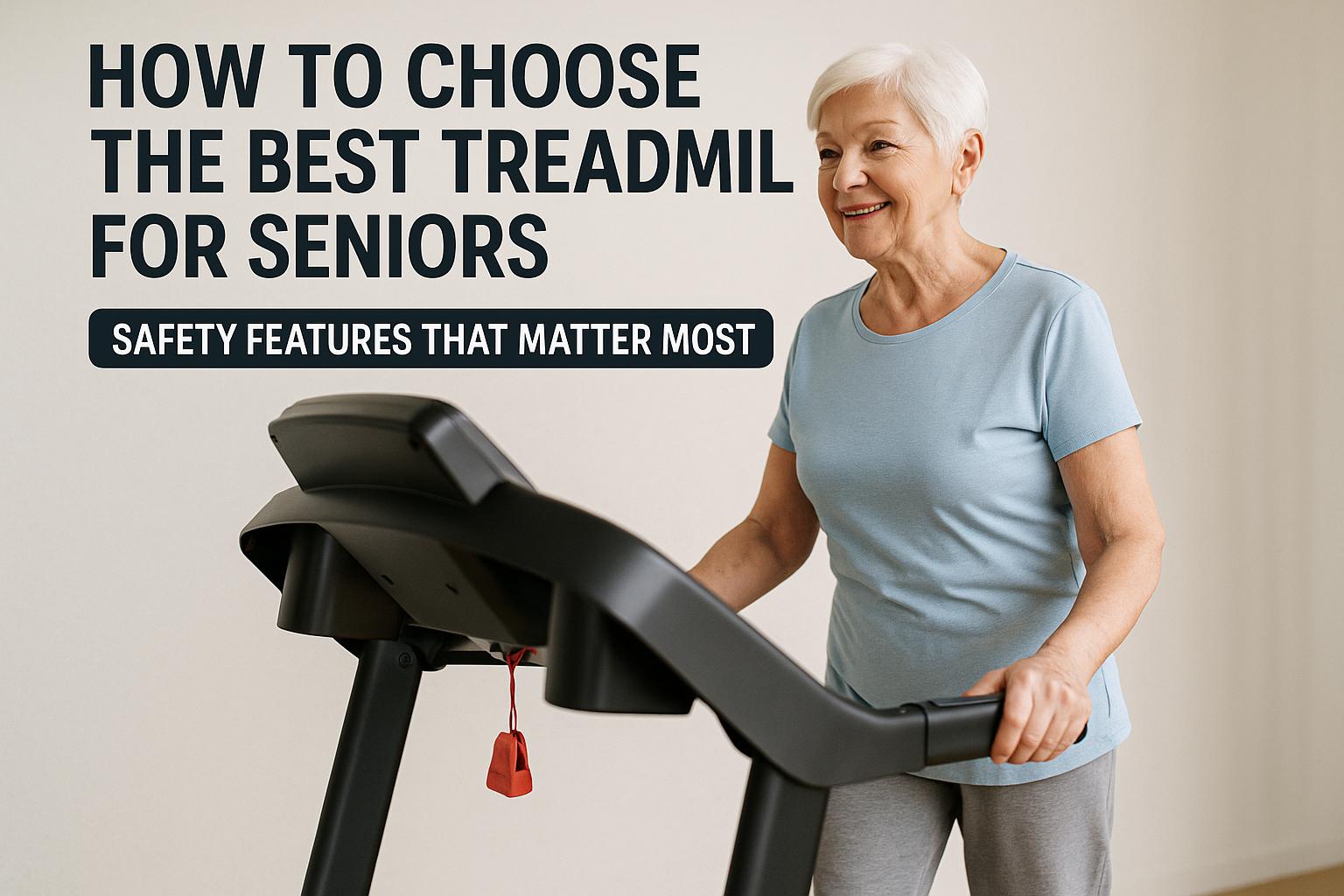
If you are comparing a Treadmill for Seniors for rehabilitation, steady indoor walking, or confidence-building movement, prioritize low speed control, support rails, cushioning, and clear displays before entertainment features.
Why Senior-Friendly Treadmills Require a Different Approach
Senior users often have different physical priorities than younger walkers or runners. Joint sensitivity, balance changes, reduced reaction time, and a preference for gentler exercise all affect what makes a treadmill safe and useful. In practice, I find that lower-impact walking support is the real benchmark of quality in this category.
Lower impact needs and joint comfort
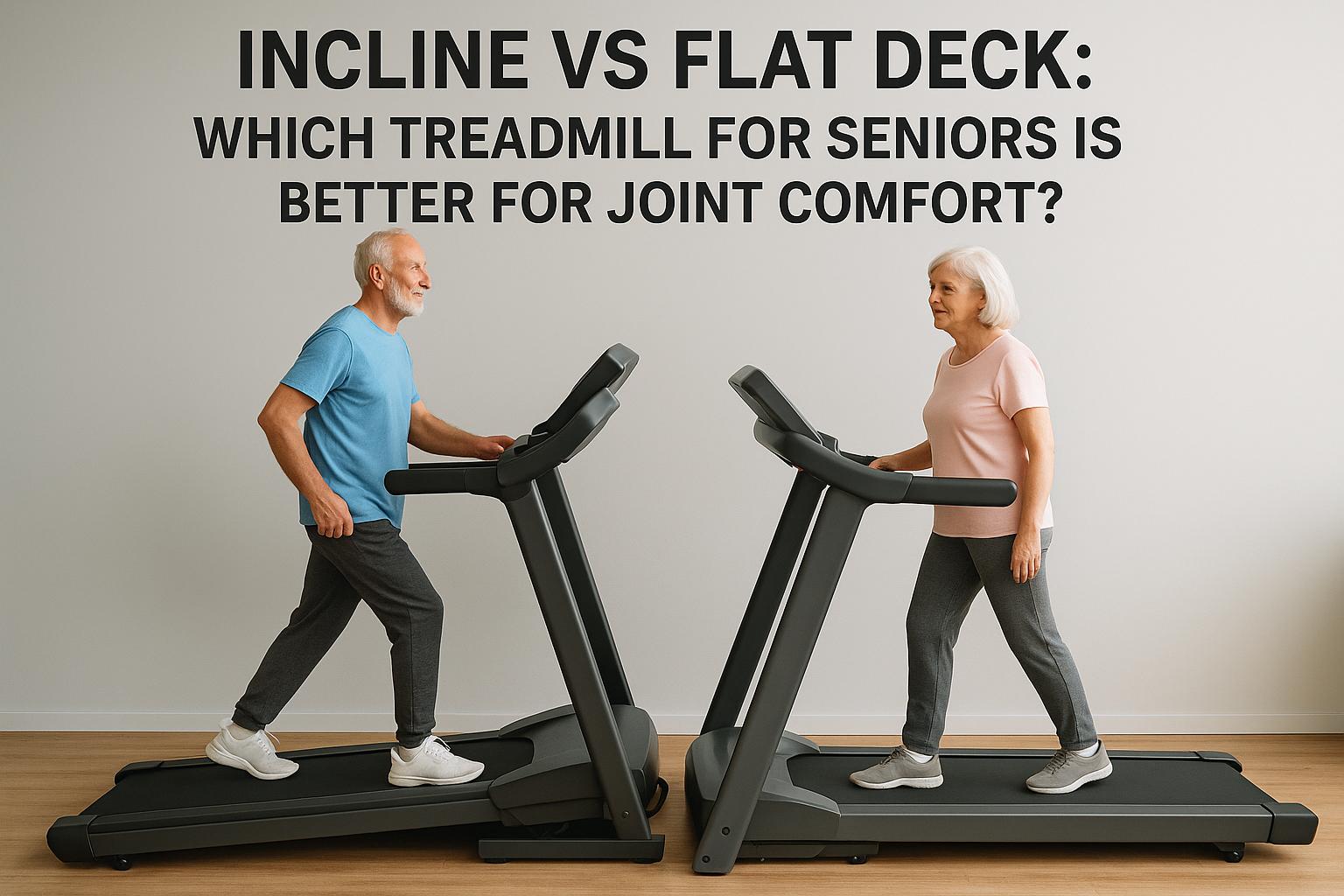
Many older adults are managing knee stiffness, hip discomfort, or general mobility limitations. A hard running deck or overly steep incline can quickly turn a helpful routine into an unpleasant one. That is why flat or mildly adjustable decks tend to make far more sense than machines designed around intense training. A treadmill with a joint-friendly surface can make daily walking feel sustainable rather than punishing.
“The best treadmill for an older adult is the one that encourages regular use without creating fear, fatigue, or pain.”
Balance support and confidence during use
Confidence is often overlooked in product descriptions, yet it is central to long-term use. I have seen many buyers focus on motor power and display features while ignoring the emotional effect of a stable support frame. Long handrails, a front crossbar, and a low, easy entry height can be the difference between a machine that gets used every day and one that becomes furniture.
Core Safety Features to Prioritize
When I evaluate Treadmills for Senior users, I start with the features that prevent mishaps and simplify basic operation. These are the details that matter most on day one.
Emergency stop key and simple controls
Every home treadmill should include an emergency stop key, but for seniors, it becomes especially important. Equally valuable is a control layout that does not demand close study every time the machine is used. Buttons should be large, readable, and logically placed. Handrail-mounted controls are particularly helpful because they let users adjust speed without letting go.
Sturdy handrails and a stable frame
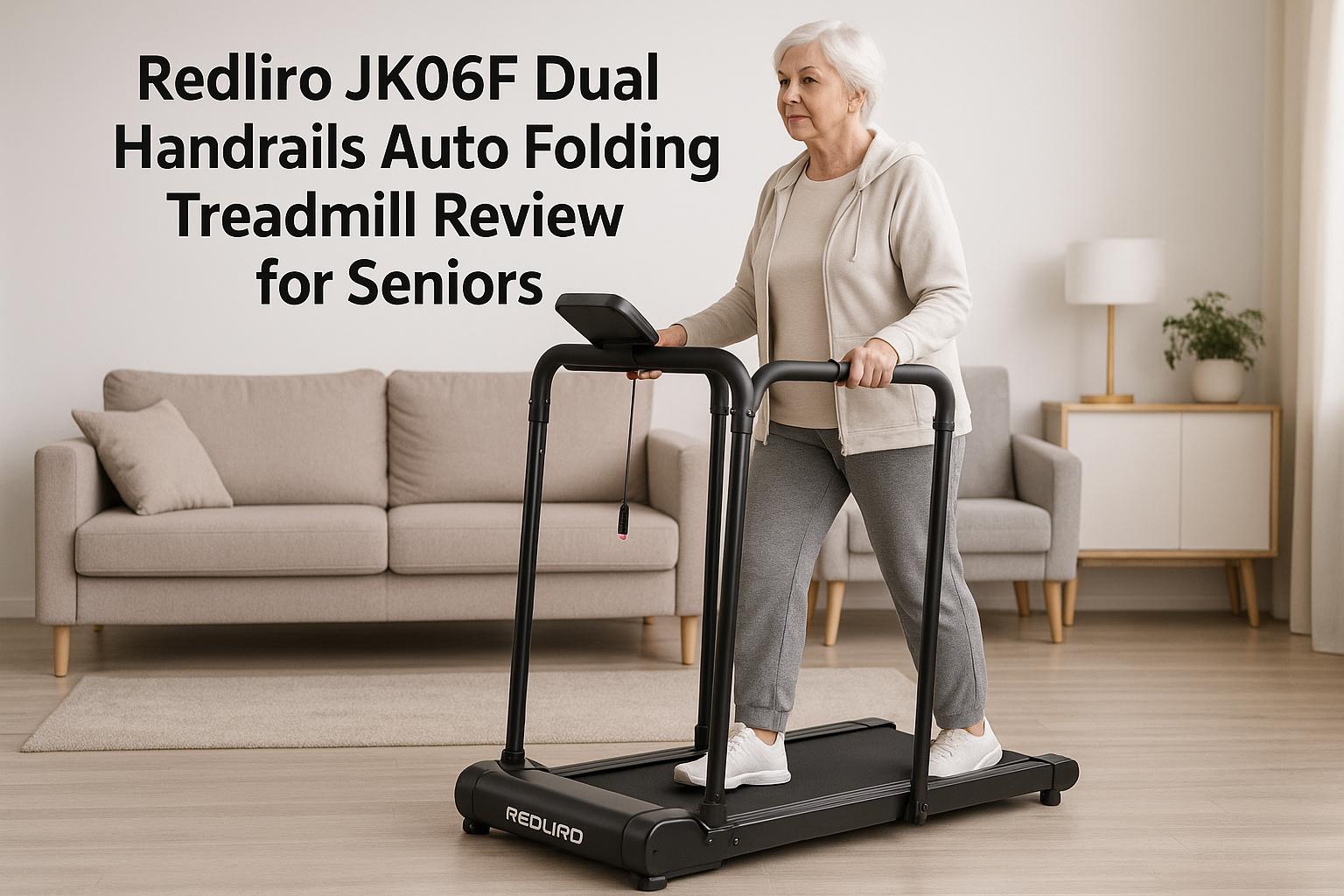
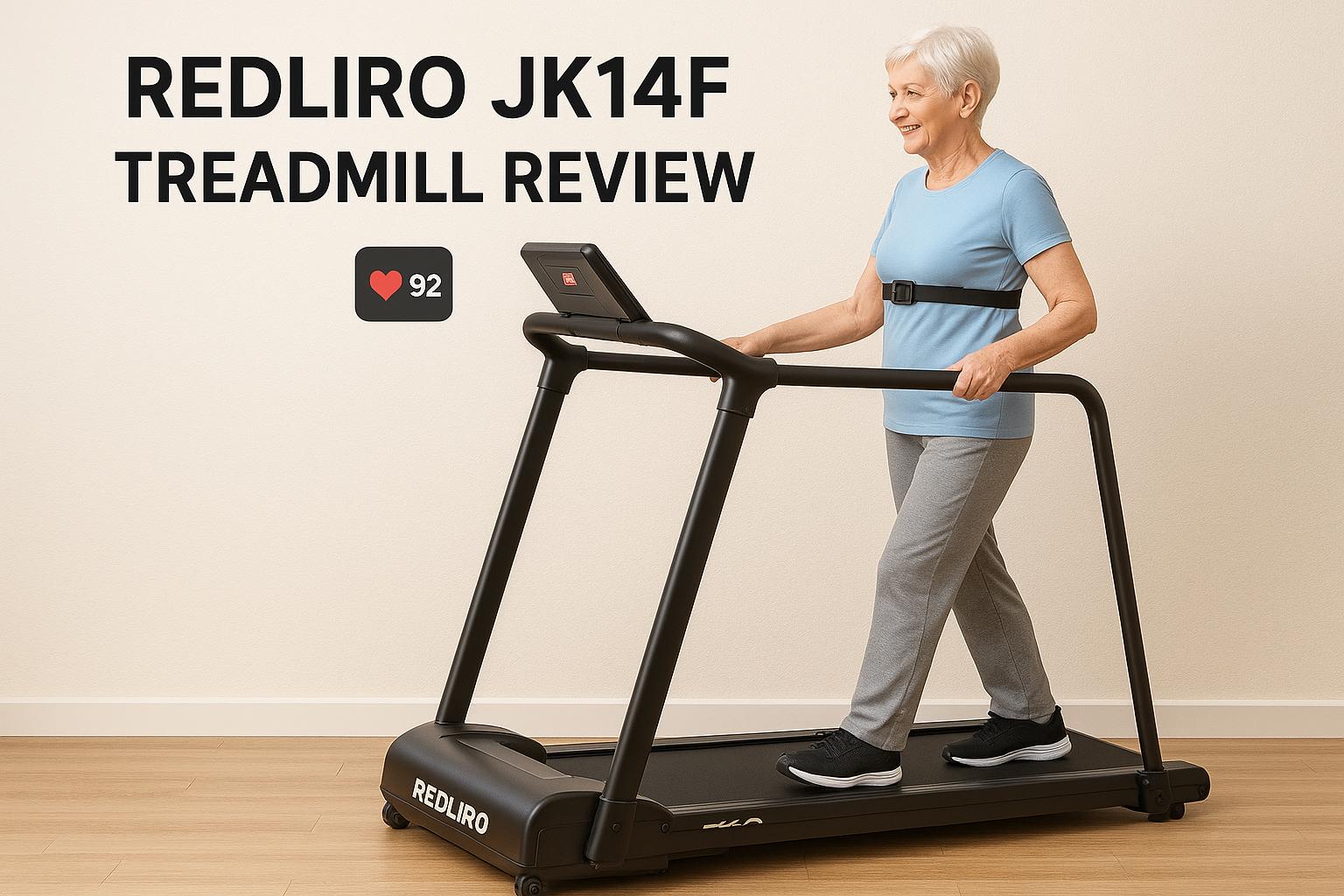
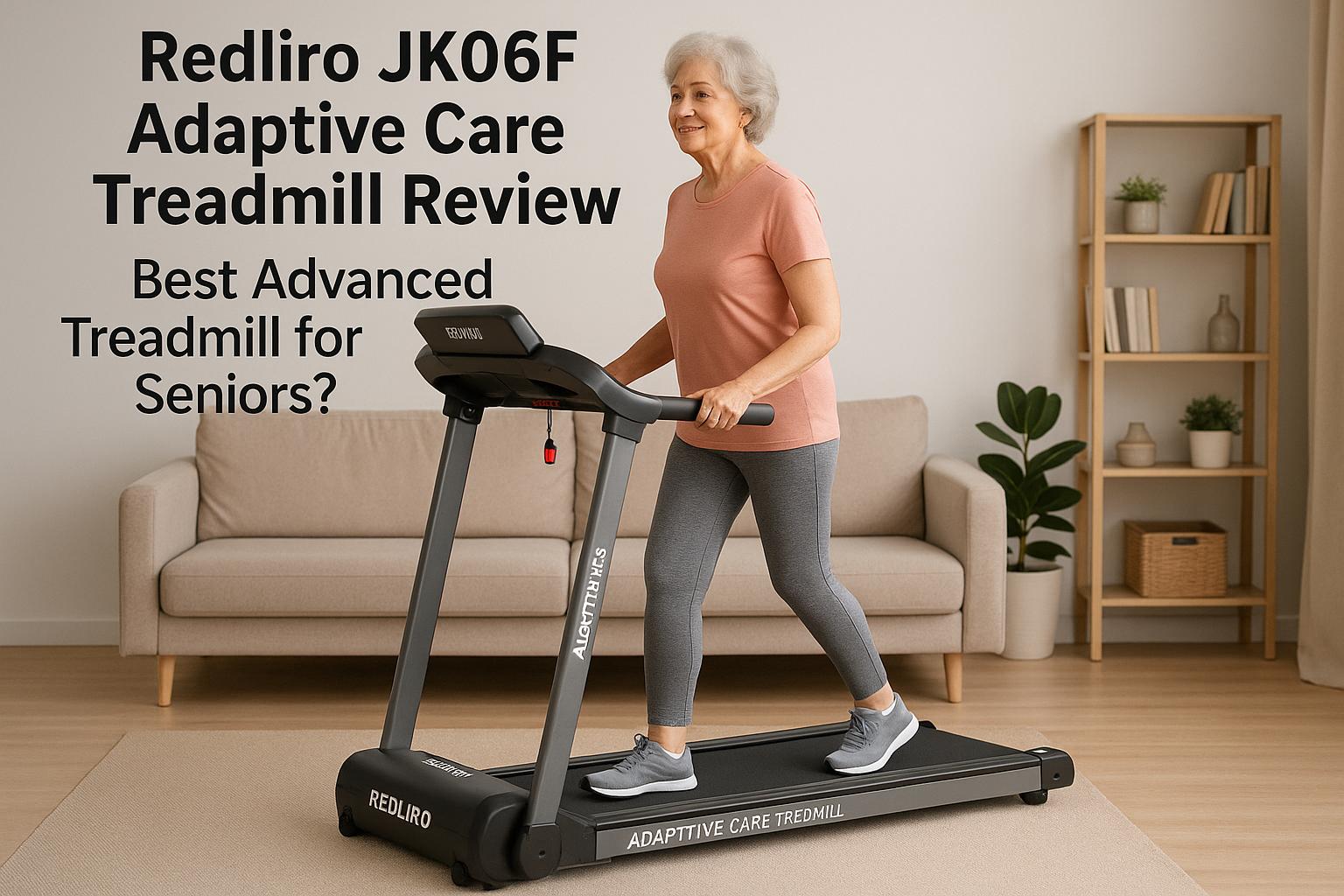
This is where several Redliro models stand out. The Redliro JK06F Adaptive Care model emphasizes long handrails and customizable incline settings, while the newer JK06F dual-handrail version builds a more surrounding support structure with side rails and a front bar. For users who want that “secure cocoon” feeling, that design can be extremely reassuring. The JK14F also deserves attention because its long handrails are paired with built-in Heart Rate Monitoring, which some households will value for routine health awareness.
Low step-up height for easier access
A steep step onto the treadmill deck can be awkward and risky, especially for anyone with reduced hip mobility or balance issues. Lower deck height and a stable platform help users get on and off more safely. This sounds simple, but in real-world use, it is one of the first things that determines whether a machine feels senior-friendly.
Recommendation: If stability is the top concern, focus first on handrail length, frame rigidity, and the ease of stepping onto the deck. Those three points matter more than advanced training functions.
Belt Size, Cushioning, and Walking Comfort
Walking comfort is about more than softness. It is a combination of belt dimensions, cushioning response, and how naturally the treadmill supports a steady stride.
Adequate belt width and length for steady walking
Seniors usually do not need a giant running surface, but they do benefit from enough width to avoid feeling confined. A belt that is too narrow can create a tense walking pattern. A bit more room allows for small natural variations in step placement, which improves comfort and confidence.
Shock absorption to reduce strain on knees and hips
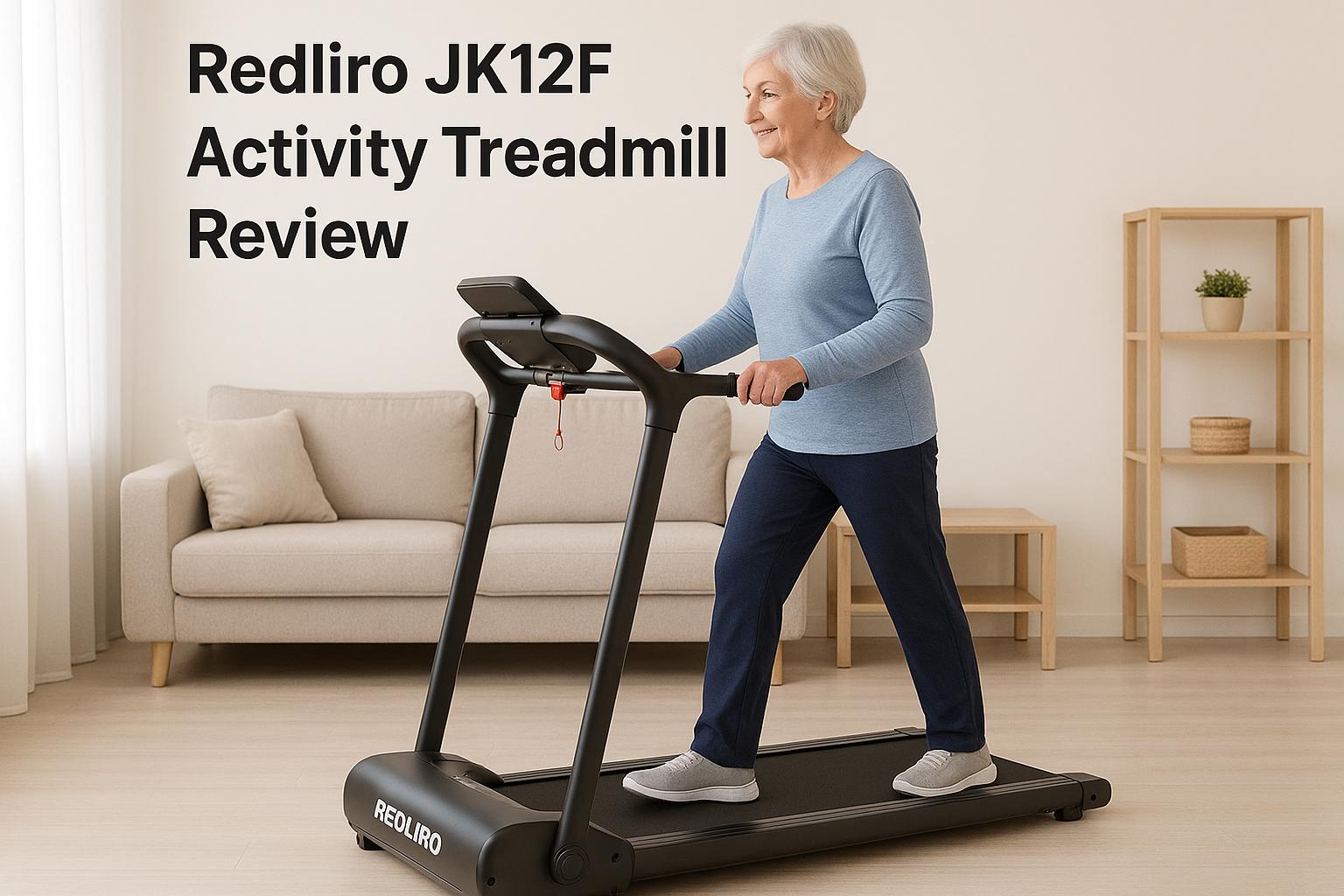
A cushioned deck can reduce impact forces compared with walking on hard flooring. This matters for daily routines, especially if the goal is 20 to 40 minutes of light movement several times a week. Models with flat, gentle walking surfaces are often best here. The Redliro JK12F, for example, uses a zero-incline design that is explicitly aimed at knee and joint comfort, making it appealing for relaxed indoor walking.
| Property | What to Look For | Why It Matters |
|---|---|---|
| Belt width | Comfortable room for a natural stride | Reduces the feeling of instability |
| Belt length | Enough deck space for steady walking | Supports safer foot placement |
| Cushioning | Moderate shock absorption | Eases stress on knees and hips |
| Deck profile | Flat or mild incline options | Helps joint-sensitive users stay comfortable |
Speed Range and Motor Power for Safe Performance
Speed settings can make or break a senior treadmill. In this segment, slower is often better, at least at the bottom end.
Low starting speeds with gradual adjustments
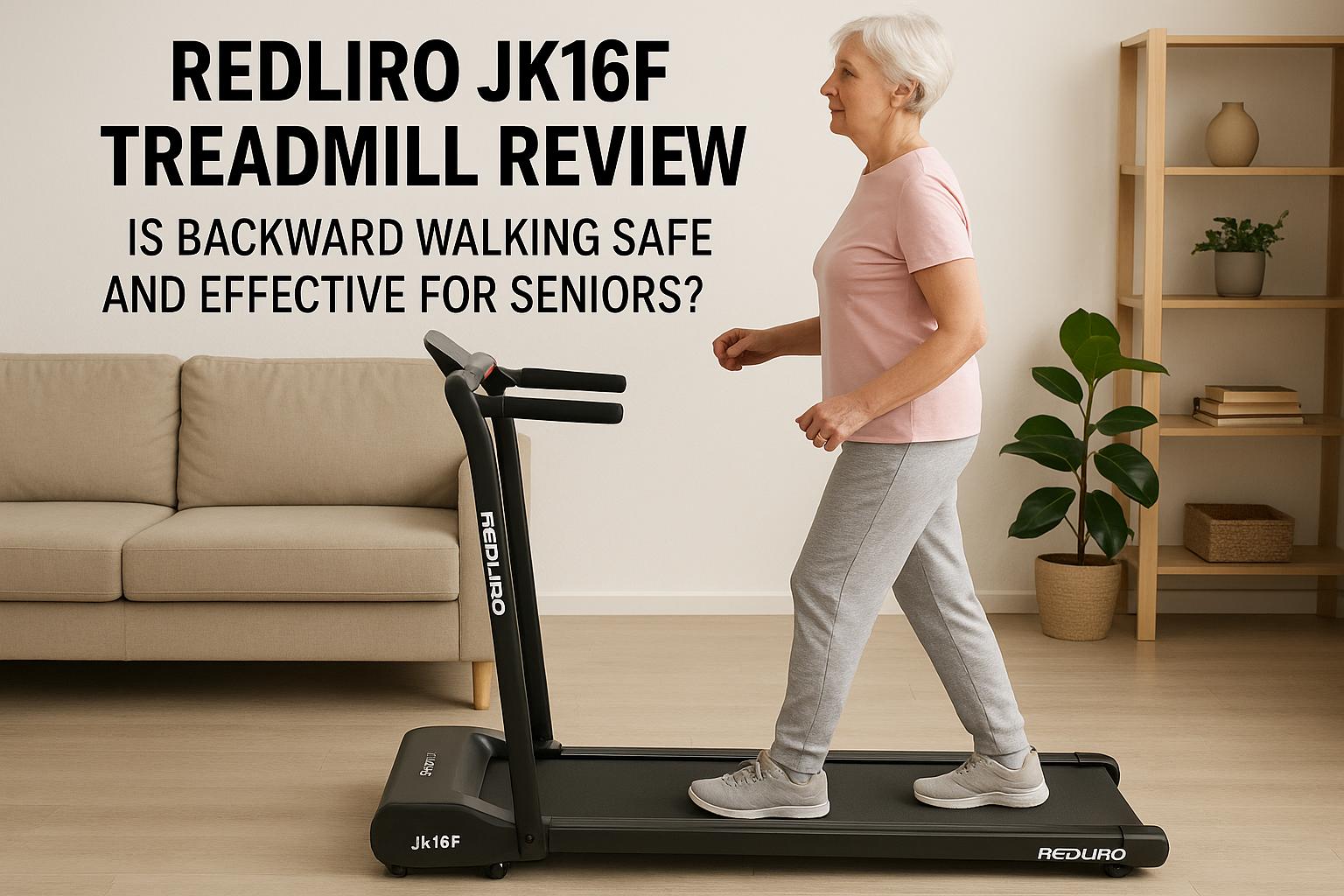
One of the best features I have seen on current models is the ultra-low start speed of 0.3 MPH. That is available on the Redliro JK16F and also highlighted on the dual-handrail JK06F. It may sound minor, but it is not. A treadmill that starts too fast can feel abrupt and unsettling. Slow, confidence-building acceleration lets users settle into movement gradually.
The JK16F is particularly unusual because it also supports backward walking. Used carefully and within a comfort zone, that feature can engage posture and balance in a different way. It is not necessary for everyone, but for some users looking for variety in gentle walking practice, it stands out as an advanced treadmill feature with practical relevance rather than gimmick value.
Reliable motor performance for consistent walking sessions
Senior-focused treadmills do not need extreme horsepower, but they do need smooth consistency at low speeds. Jerky transitions, noisy operation, or delayed response from the motor can undermine trust in the machine. This is one area where user reviews are useful, because buyers often mention whether a treadmill feels stable during everyday sessions rather than just in promotional claims.
Display, Programs, and Ease of Use
I usually advise buyers not to overvalue screens and app features in this category. They matter, but only after the basics are right.
Large readable screen and clear feedback
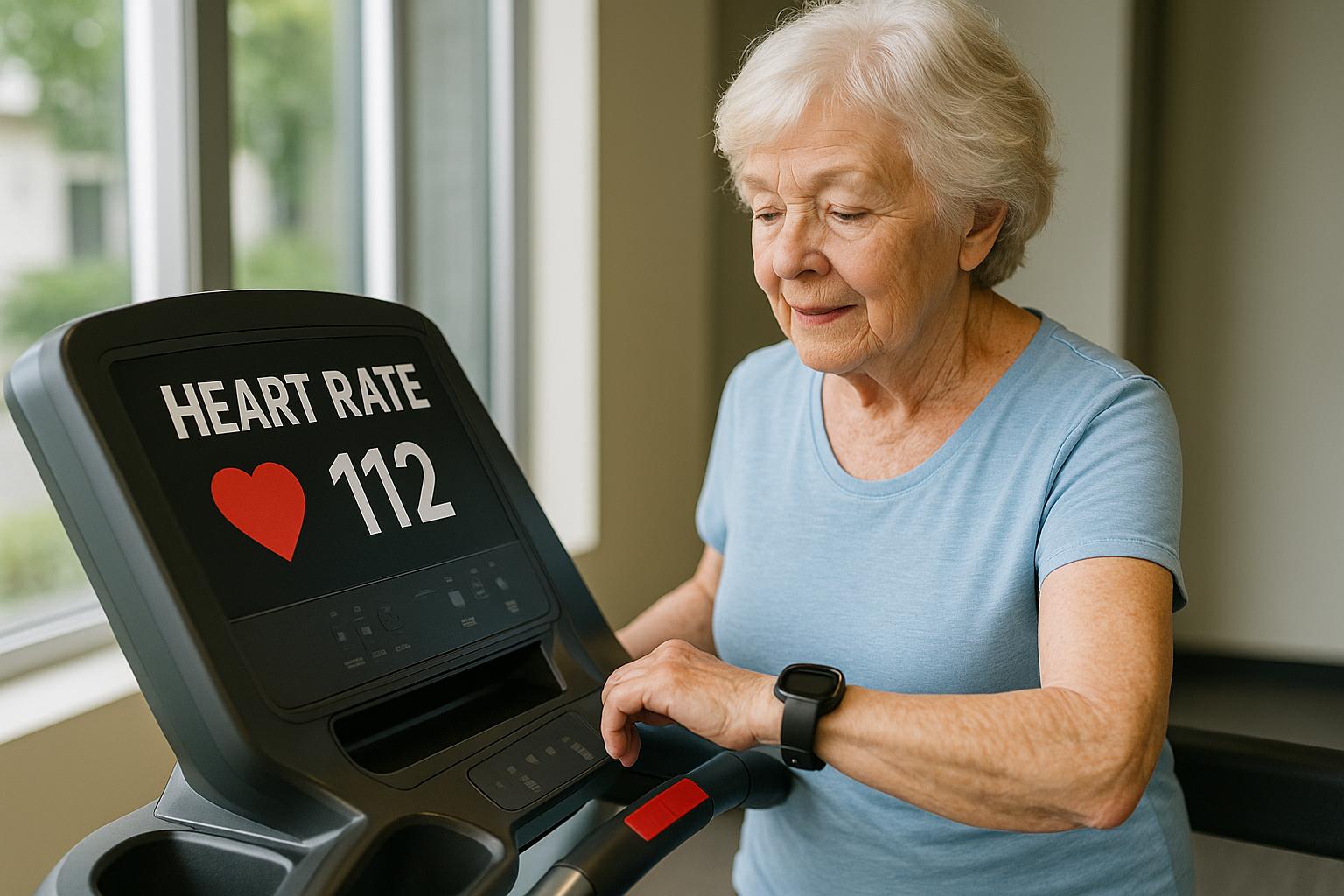
A clear display with speed, time, distance, and basic workout data is usually enough. Bright, oversized readouts are particularly helpful for older users who do not want to squint or scroll through menus. The JK14F adds Heart Rate Monitoring, which can be useful for users who want a quick sense of effort during walks, though it should never replace medical guidance.
Simple preset programs without unnecessary complexity
Preset programs can be helpful if they are intuitive. Too many options, however, can become noise. The JK12F includes 12 preset programs while keeping the broader concept lifestyle-oriented and gentle. Its integrated desk board is genuinely distinctive. I think it suits seniors who want movement woven into reading, video calls, or light daily routines rather than treated as a separate workout ritual.
For users who do enjoy tracking, the JK16F also offers app connectivity with FitShow, Kinomap, and Zwift. That said, I would still treat app compatibility as secondary to support rails, speed control, and deck comfort.
Space, Noise, and Placement at Home
A treadmill can be technically impressive and still be wrong for the home if it is too loud, too awkward to position, or too difficult to move safely.
Foldable versus fixed designs for available space
Foldability sounds attractive, but it is not always the top priority for seniors. In some cases, a fixed design feels sturdier and eliminates an extra mechanical step. In others, an auto-folding feature can help households where space is genuinely limited. The Redliro JK06F auto-folding version addresses this well, while the JK14F focuses on easier relocation without folding the deck. Neither approach is inherently better; it depends on the room and the user.
Quiet operation and safe placement around the treadmill
Quiet treadmills are easier to live with, especially in shared spaces or apartments. They also feel calmer, which can subtly improve user confidence. I recommend leaving clear space around the machine, keeping cords tidy, and avoiding rugs or clutter near the entry point. Good placement is part of safety, not an afterthought.
How to Compare Models Before Buying
At this stage, it helps to compare machines less like tech products and more like support tools for daily life.
Weight capacity, warranty, and build quality
A higher weight capacity often signals a sturdier frame, though design quality still matters. Warranty coverage and service responsiveness are equally important because a treadmill for seniors should be dependable over time. Features such as self-lubricating decks, as seen on the JK14F, can also reduce maintenance concerns.
User reviews, return policies, and trial options
I always read user reviews with a filter: look for comments about stability, noise, assembly, low-speed smoothness, and customer support. Return policies matter too, because comfort is hard to judge until the treadmill is in the home. If possible, choose a seller or brand with a clear trial period or straightforward return process.
| Property | Model | Best Fit |
|---|---|---|
| Maximum support frame | Redliro JK06F Dual Handrails | Users who want surrounding stability and a 0.3 MPH gentle start |
| Adaptive incline support | Redliro JK06F Adaptive Care | Seniors or therapy users wanting customizable walking comfort |
| Backward walking option | Redliro JK16F | Users interested in balance, posture, and ultra-slow walking modes |
| Desk-style daily use | Redliro JK12F | Readers, video callers, and gentle walkers who prefer a flat deck |
| Heart rate and easy controls | Redliro JK14F | Users who want long handrails and built-in heart rate feedback |
- Senior-focused treadmills improve safety through long handrails and lower speed ranges
- Flat or gently cushioned decks are better for joint comfort
- Simple controls help encourage regular, independent use
- Models with Heart Rate Monitoring can add practical workout feedback
- Very compact models may sacrifice belt space and stability
- Too many digital features can confuse users who want simplicity
- Foldable designs are not always the most rigid option
- Backward walking features are useful only for specific needs and should be used carefully
My Practical Recommendation
If I were choosing a Treadmill for Seniors today, I would begin by asking three simple questions: Does it feel stable when stepping on? Does it start slowly enough to feel safe? Can the user operate it without frustration? If the answer is yes to all three, the rest of the comparison becomes much easier.
For buyers who want a strong shortlist, I recommend taking a closer look at the Redliro lineup mentioned above. The support-focused JK06F options, the backward-capable JK16F, the lifestyle-friendly JK12F, and the JK14F with Heart Rate Monitoring each address a different senior walking need. Discover the current models here: [url="https://www.amazon.com/dp/B0FJRWMGY3?ref=t_ac_view_request_product_image&campaignId=amzn1.campaign.UHJQWILKHJGC&linkCode=tr1&tag=simonsreccos-20&linkId=amzn1.campaign.UHJQWILKHJGC_1779956389241",name="Redliro JK06F Adaptive Care",title="This link leads to the Redliro JK06F Adaptive Care treadmill on Amazon"], [url="https://www.amazon.com/dp/B0GQK5SSF5?ref=t_ac_view_request_product_image&campaignId=amzn1.campaign.2QVYAZMK3TZVB&linkCode=tr1&tag=simonsreccos-20&linkId=amzn1.campaign.2QVYAZMK3TZVB_1779956393804",name="Redliro JK16F Backward Treadmill",title="This link leads to the Redliro JK16F treadmill on Amazon"], [url="https://www.amazon.com/dp/B0DNMJ8KMV?ref=t_ac_view_request_product_image&campaignId=amzn1.campaign.2VNLSW6EEHC3J&linkCode=tr1&tag=simonsreccos-20&linkId=amzn1.campaign.2VNLSW6EEHC3J_1779956396014",name="Redliro JK12F Activity Treadmill",title="This link leads to the Redliro JK12F treadmill on Amazon"], [url="https://www.amazon.com/dp/B0DSW3Q47T?ref=t_ac_view_request_product_image&campaignId=amzn1.campaign.1H3U3UVHG2IBY&linkCode=tr1&tag=simonsreccos-20&linkId=amzn1.campaign.1H3U3UVHG2IBY_1779956399711",name="Redliro JK14F with Heart Rate Monitoring",title="This link leads to the Redliro JK14F treadmill on Amazon"], and [url="https://www.amazon.com/dp/B0B7664DJB?ref=t_ac_view_request_product_image&campaignId=amzn1.campaign.13C4MKA2SF1UG&linkCode=tr1&tag=simonsreccos-20&linkId=amzn1.campaign.13C4MKA2SF1UG_1779956402530",name="Redliro JK06F Dual Handrails Auto Folding",title="This link leads to the Redliro JK06F dual handrails treadmill on Amazon"].
In summary, the best choice is not the flashiest machine. It is the one that supports a steady routine with dignity, safety, and comfort. Compare the shortlisted models carefully, check reviews and return terms, and choose the treadmill that makes daily walking feel easy enough to keep doing.