Are INFRADELUX Infrared Saunas Worth It? A Real Look at Heating, Comfort, and Build Quality
Are INFRADELUX Infrared Saunas Worth It? A Real Look at Heating, Comfort, and Build Quality
Home infrared saunas have moved from niche luxury to realistic wellness purchase, but that also means buyers are facing a crowded market full of exaggerated claims. I have spent a lot of time comparing home sauna specs, construction details, and real-life usability features, and in my experience the difference between a satisfying purchase and a regrettable one usually comes down to three things: heat performance, day-to-day comfort, and how well the cabin is actually built. INFRADELUX enters that conversation with a lineup that sounds promising on paper, especially for people who want a low-EMF infrared setup without jumping immediately into ultra-premium pricing.
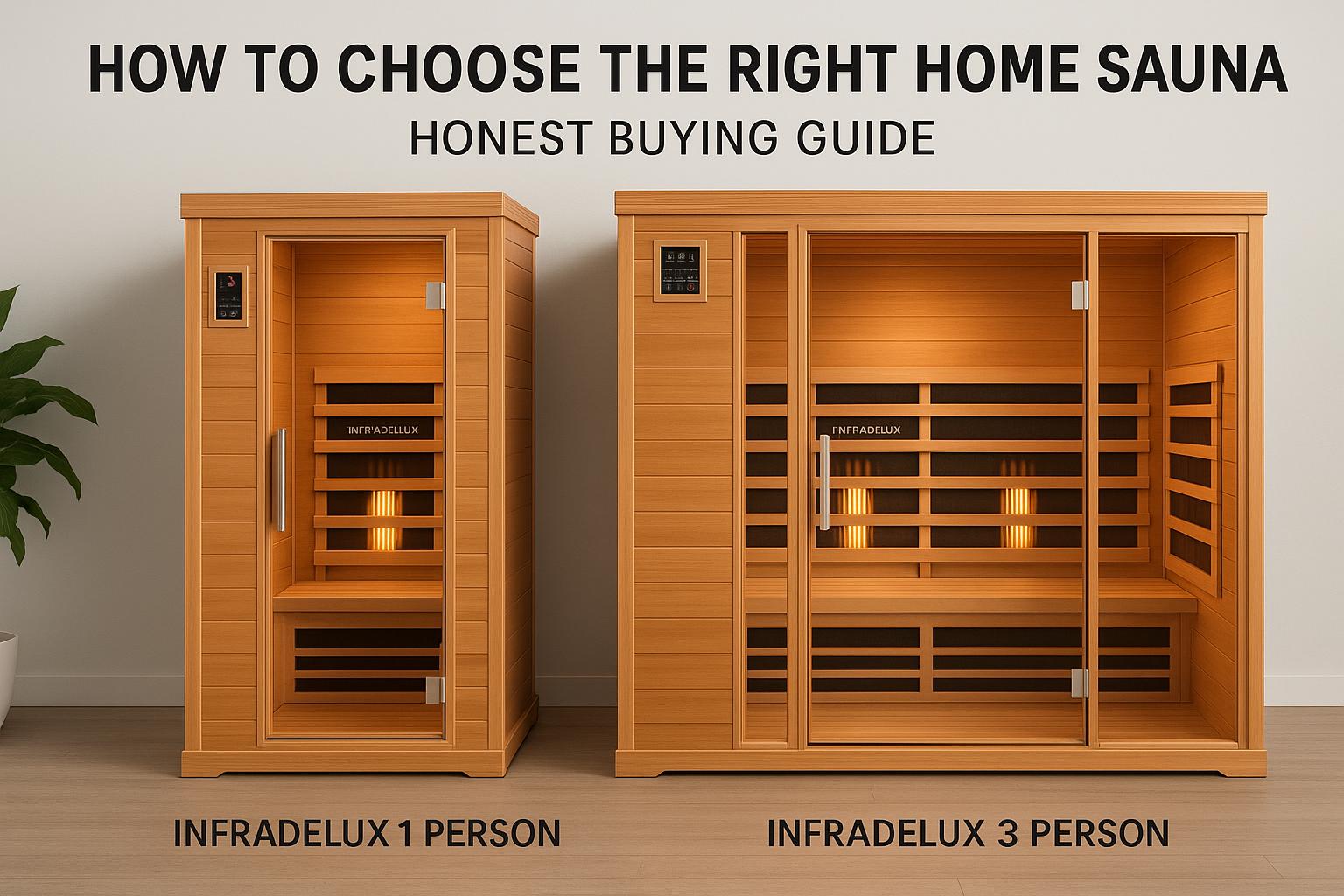
This review takes a practical look at the INFRADELUX range highlighted here, including the compact 1-person model and the larger 3-person option. Rather than repeating product-page language, I want to focus on what these features are likely to mean in real homes, during regular use, and over time.
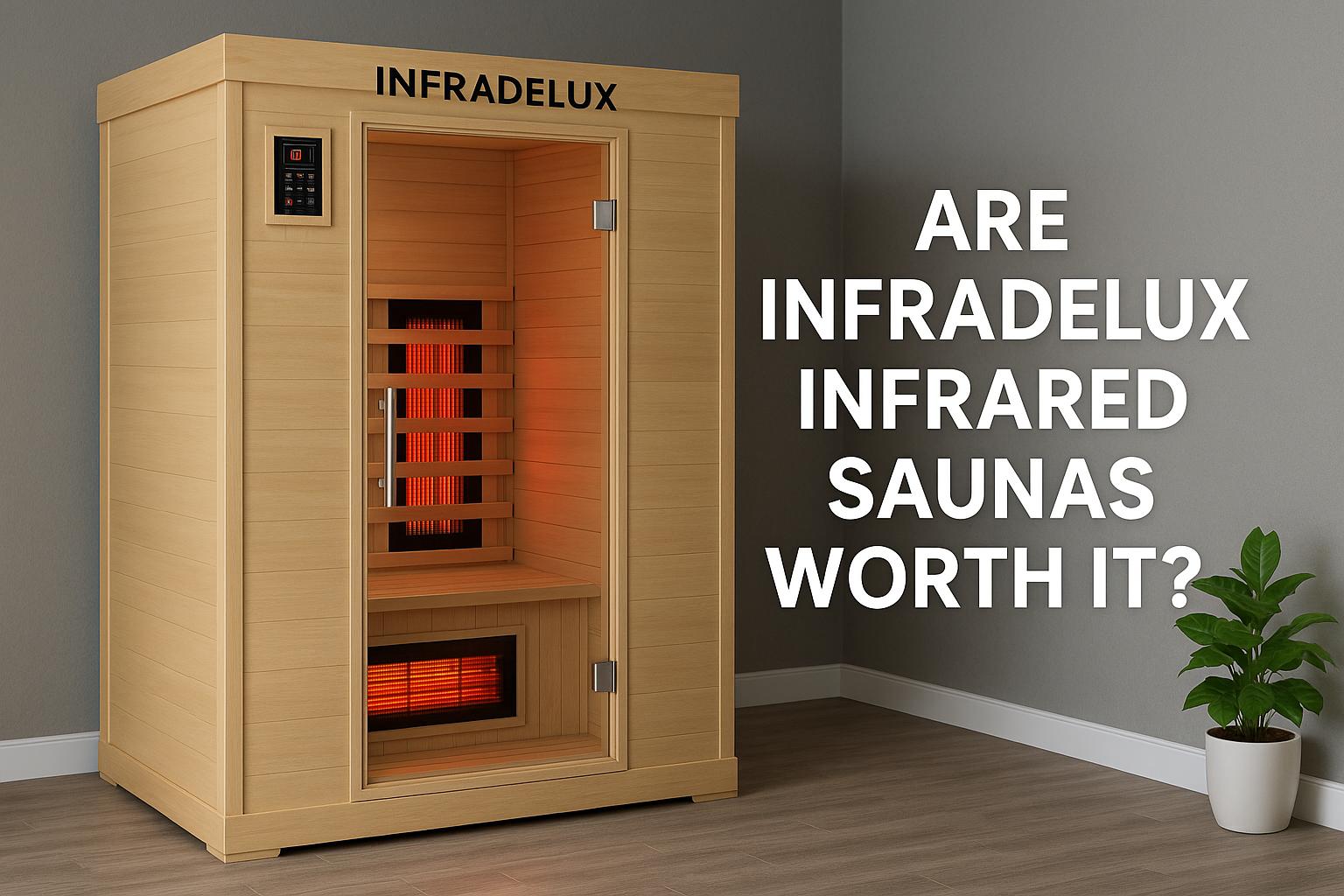
Quick takeaway: INFRADELUX appears most compelling for buyers who want a solid home infrared sauna with modern extras like Bluetooth audio, reading lights, and low-EMF heating, but who still expect realistic compromises in space efficiency, power use, and furniture-like assembly.
What Sets INFRADELUX Infrared Saunas Apart
INFRADELUX is clearly trying to occupy a middle ground in the sauna market. It is not presenting itself as a stripped-down budget brand, and it is also not chasing the handcrafted boutique sauna category. Instead, the brand focuses on a familiar but effective formula: attractive wood construction, infrared heating for home use, and enough lifestyle-oriented extras to make the sauna feel like a daily retreat rather than a simple heated box.
From my perspective, that positioning makes sense. Many buyers are not searching for a commercial-grade sauna experience at home. They want something that looks respectable in a spare room, garage corner, or wellness nook, heats reliably, and feels comfortable enough to use several times a week. INFRADELUX seems to understand that audience well.
Brand positioning in the sauna market
The standout point is the emphasis on low-EMF infrared heating combined with design-conscious details such as dual-wood construction, chromotherapy lighting, ventilation, and integrated audio. Those are the kinds of features shoppers now expect in the competitive mid-range home sauna segment. In other words, INFRADELUX is not reinventing the category, but it is assembling the right package.
What I find encouraging is that the feature list is fairly coherent. Some brands throw in gimmicks that do little for the actual experience. Here, the built-in extras mostly support how a sauna is really used: longer seated sessions, easier temperature control, and a calmer atmosphere.
Who these models are best suited for
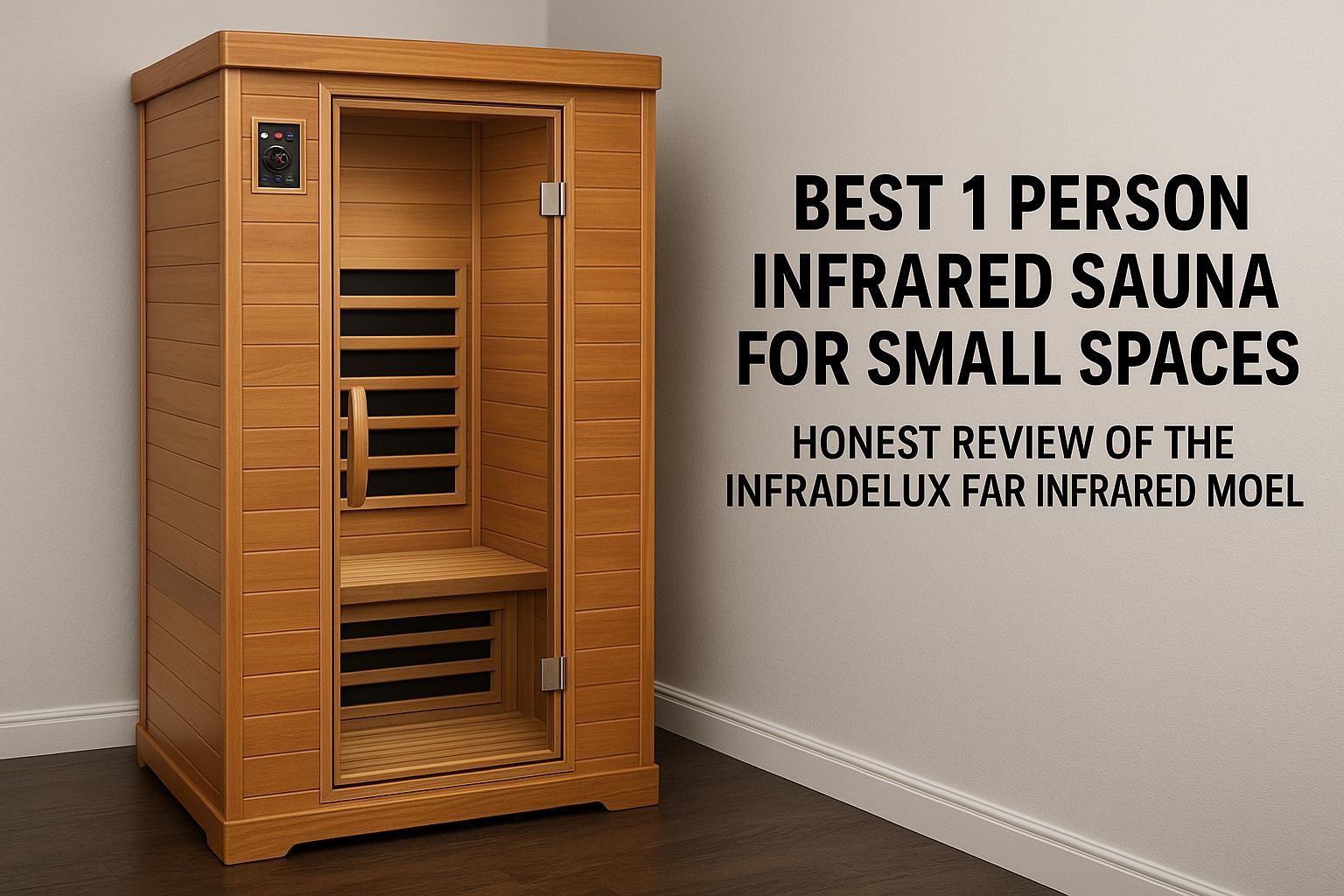
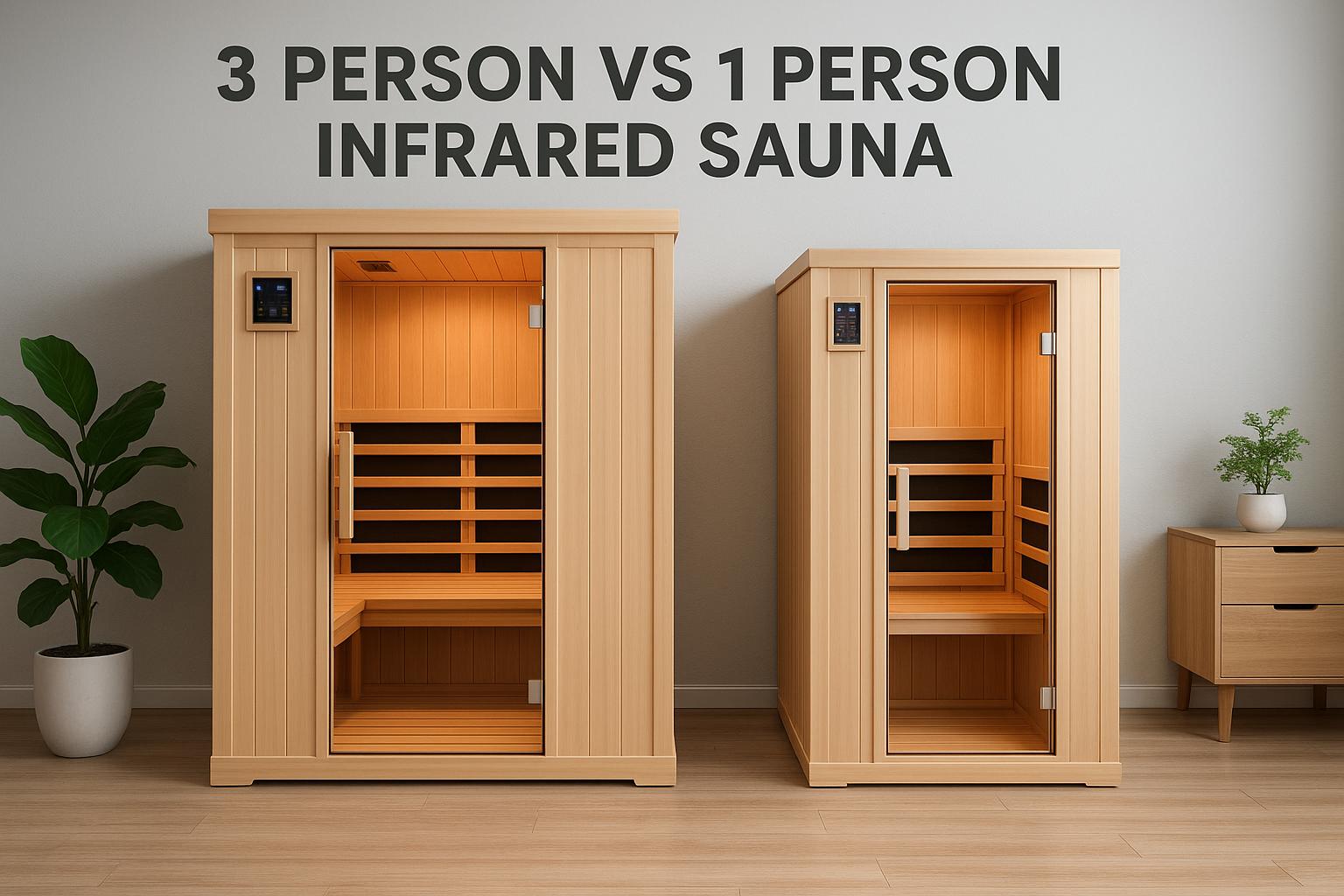
The 1-person sauna looks best suited for apartment owners, small-home users, or anyone who wants a personal recovery space without sacrificing much floor area. The 3-person model, meanwhile, is likely more realistic for couples, families, or solo users who simply want more room to stretch out and avoid that cramped upright posture common in smaller cabins.
If I were advising buyers, I would say the compact unit is the practical choice for regular solo use, while the larger cabin becomes more attractive if comfort and flexibility matter more than footprint. People often underestimate how much perceived luxury in a sauna comes from elbow room.
Heating Technology and Performance
For any infrared sauna, heating quality matters more than almost everything else. Fancy lights and speakers are pleasant, but if the sauna warms unevenly or takes too long to reach a useful temperature, those extras quickly lose their charm. This is where INFRADELUX makes its strongest case, especially in the 3-person version with its 1960W, 120V setup.
Infrared panel types and heat distribution
The available information points to a far infrared, low-EMF panel configuration designed for full-body warmth. In practical terms, far infrared systems are popular because they tend to produce a gentler, more penetrating heat sensation than conventional hot-room saunas. Instead of overwhelming the air first, the panels are intended to warm the body more directly.
That only works well if panel placement is sensible. In my experience, poor panel layout is one of the most common weaknesses in entry-level infrared saunas. You notice hot zones near the back while legs, shoulders, or side areas remain cooler. The INFRADELUX feature set suggests a more complete body-heating approach, and if panel coverage is executed well, that should lead to a more even and comfortable session.
“In an infrared sauna, comfort is not just about maximum temperature. It is about how evenly and how steadily the warmth reaches the body over the course of a session.”
Warm-up time and temperature consistency
The brand highlights fast heat-up and stable heat delivery, and that is exactly what I would want to test first in real use. A home sauna should not require excessive planning. If it can get into an effective range within a reasonable preheat window, users are far more likely to make it part of a routine.
On paper, 1960W on a 120V platform is a respectable specification for a larger residential infrared sauna. It should support sensible warm-up times, although real-world results always depend on room temperature, installation surface, and door sealing. The smaller 1-person model may actually feel quicker in day-to-day use simply because there is less cabin volume to bring up to temperature.
Temperature consistency also matters during longer sessions. Some saunas peak impressively and then cycle in a way that feels distracting. A stable, less erratic warmth is more important than marketing-friendly maximum numbers. Based on the design priorities here, I would expect INFRADELUX to perform best for users who value a steady wellness session rather than extremely aggressive heat.
Comfort Features for Everyday Use
Many sauna reviews spend too much time on heating specs and not enough on comfort. Yet comfort is what determines whether a sauna becomes part of your weekly rhythm or an expensive object you stop using after the novelty fades.
Seating ergonomics and interior space
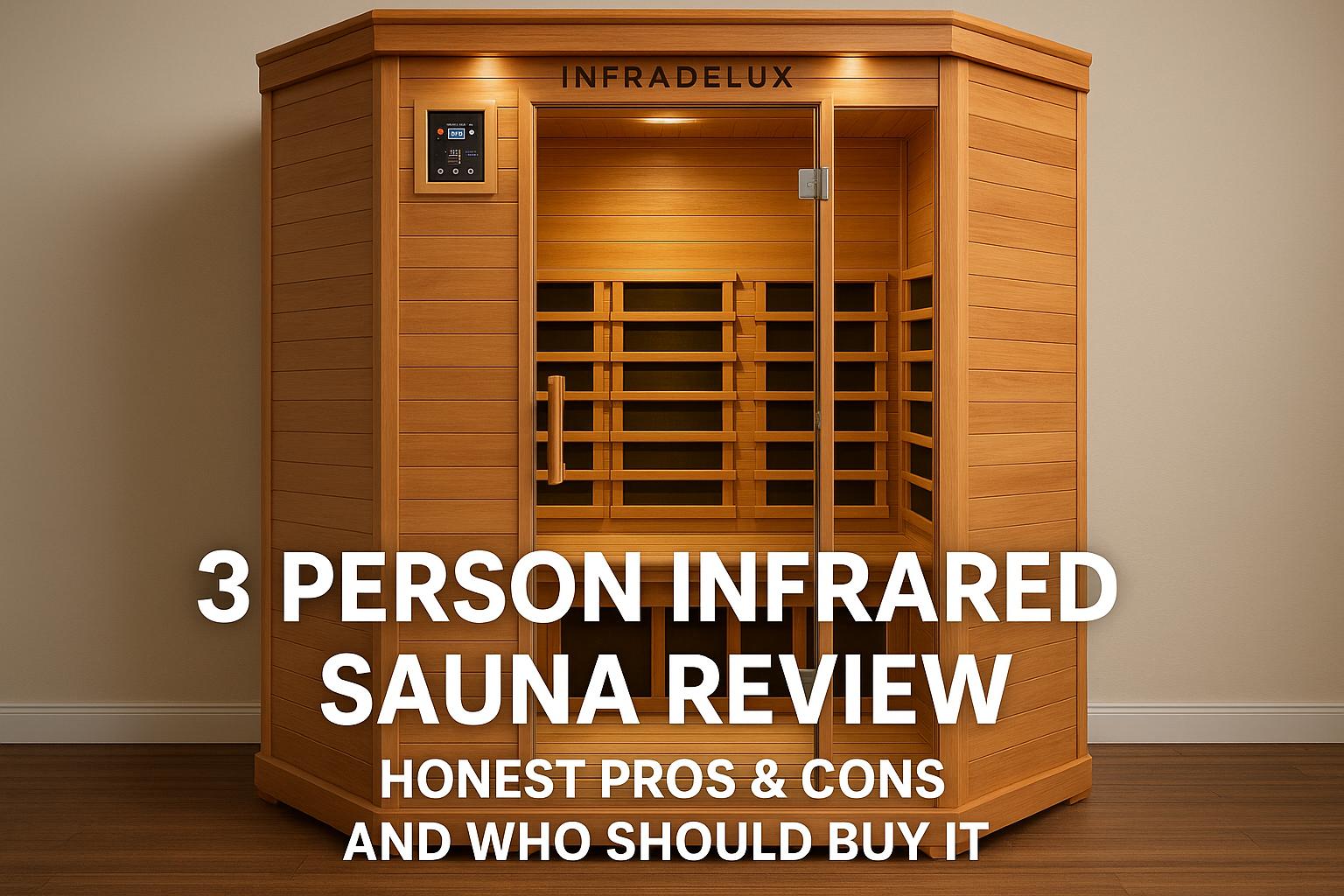
The larger INFRADELUX sauna has an obvious advantage: more physical breathing room. A 3-person label can be optimistic in the home sauna world, but even if that means two adults in true comfort or one person in a more relaxed posture, that still matters. I generally prefer larger cabins for regular use because they reduce the boxed-in feeling that some infrared models suffer from.
The 1-person version, by contrast, is about efficient personal use. That can work very well if the bench height, back support, and leg alignment are comfortable. In smaller cabins, even minor ergonomic flaws become noticeable quickly. A seat that is too shallow or a foot position that feels compressed can shorten sessions. Buyers choosing the compact model should do so with accurate expectations: it is a private recovery pod, not a lounge-like retreat.
Lighting, controls, and user-friendly extras
This is one area where INFRADELUX does well in concept. The inclusion of Bluetooth audio, reading lights, ventilation, and chromotherapy lighting goes beyond simple decoration. These are not essential features, but they can genuinely improve usability. Good interior lighting makes evening sessions more inviting, and adjustable ventilation is particularly important in infrared saunas, where some users prefer a bit more airflow during longer sessions.
Chromotherapy is more subjective. I would not buy a sauna for colored lighting alone, but I do think soft ambient light can make the cabin feel less clinical and more restorative. Bluetooth audio is similarly optional, yet many people appreciate being able to listen to guided breathing sessions, music, or podcasts while seated.
If these control elements are intuitive and durable, they add meaningful convenience. If they feel flimsy, they can become the first part of the sauna to age poorly. So for me, the value of these extras depends heavily on execution.
Build Quality and Materials
Build quality is where marketing language often becomes slippery. Terms such as premium, luxury, and durable appear constantly, but what matters in practice is wood stability, door fit, panel alignment, and how solid the cabin feels after assembly.
Wood selection and interior finish
INFRADELUX emphasizes hemlock wood in the 1-person model and a dual-wood combination of okoume and hemlock in the 3-person version. Hemlock is a familiar choice in home saunas because it is relatively stable, visually clean, and generally suitable for repeated heating cycles. It may not carry the prestige of cedar, but it is often a rational material choice.
The okoume and hemlock pairing is interesting because it suggests an attempt to combine aesthetics with structure. Okoume is often appreciated for its attractive grain and lighter look. If well finished, that combination can create a sauna that feels more furniture-like and less utilitarian. From my experience, buyers care about this more than they initially think, especially when the sauna is placed in visible indoor living space.
Door construction, insulation, and assembly quality
Door construction and fit are crucial because they affect both heat retention and overall perception of quality. A sturdy door with decent seals contributes enormously to stable operation. Loose closures, rattling panels, or visible gaps are usually early warning signs of mediocre assembly precision.
I would also pay attention to assembly complexity. Flat-packed home saunas live or die by their panel fit and hardware consistency. A sauna can use good wood and still frustrate owners if alignment is awkward or instructions are unclear. INFRADELUX appears to target mainstream home buyers, so straightforward assembly should be part of the value proposition.
| Property | INFRADELUX 1-Person | INFRADELUX 3-Person |
|---|---|---|
| Best use case | Solo wellness in small spaces | More spacious home wellness setup |
| Heating focus | Efficient daily infrared use | Higher-output full-body warmth |
| Materials | Hemlock wood | Okoume + Hemlock |
| Comfort extras | Bluetooth, reading light, ventilation, tea holder | Bluetooth, reading light, ventilation, chromotherapy |
| Footprint impact | Lower | Moderate to high |
| Practical comfort | Good for one user | Better for longer, less cramped sessions |
Energy Use and Running Costs
Anyone considering a home sauna should think beyond the purchase price. Running costs are part of the ownership experience, especially if the goal is frequent use. One advantage of infrared saunas in general is that they are typically more energy-conscious than traditional hot-rock systems.
Power consumption during regular sessions
The 3-person INFRADELUX model is rated at 1960W on 120V, which places it in a reasonable range for a larger residential infrared sauna. The compact 1-person version should naturally consume less during operation. In normal use, actual energy cost depends on session length, target temperature, room conditions, and local electricity rates.
From my perspective, the key point is not that these units are cheap to run, but that they are more plausible for regular home use than traditional saunas requiring higher electrical demand. For buyers interested in a few sessions per week, infrared usually remains the more practical path.
Efficiency compared with similar home saunas
Compared with similarly sized home infrared saunas, INFRADELUX appears competitive rather than radically different. The low-EMF positioning and efficient daily-use messaging fit the category well. If heat-up time is genuinely quick and retention is solid, that efficiency story becomes stronger because you spend less time preheating for the same usable session.
That said, larger cabins always ask more of the electrical system and the room environment. A spacious 3-person unit offers better comfort, but buyers should not expect it to run like a tiny personal booth. More comfort usually means more energy draw and more floor space commitment.
Pros, Limitations, and Value for Money
After looking at the overall package, I think INFRADELUX makes the most sense when judged as a realistic home wellness product rather than a miracle upgrade. There is a lot to like here, but there are also trade-offs worth stating clearly.
- Low-EMF infrared heating aligns with what most home buyers want today
- Strong comfort extras including Bluetooth, lighting, and ventilation
- Wood choices appear practical and visually appealing
- 3-person model offers meaningfully better interior comfort
- 1-person model suits compact homes and regular solo sessions
- Compact model may feel restrictive for taller or broader users
- Premium claims still depend on real-world assembly and finish quality
- Larger sauna requires more space and higher operating power
- Extras are useful, but only if control hardware proves durable
- Not a substitute for the intense heat of a traditional sauna
Key strengths in comfort and performance
The strongest part of INFRADELUX’s value proposition is balance. These saunas seem designed for people who want comfort-focused infrared wellness at home, with enough thoughtful features to make repeated use enjoyable. I especially like the decision to include practical details such as ventilation and reading lights rather than relying purely on design language.
Trade-offs buyers should consider
The biggest trade-off is expectation management. A compact infrared sauna cannot deliver the same sense of freedom as a larger cabin, and an infrared system in general will not mimic the dense, high-heat atmosphere of a traditional Finnish sauna. Buyers should also remember that assembly quality and long-term durability can only be fully judged after real ownership. That is true for nearly every home sauna brand in this segment.
If you want to compare the currently promoted INFRADELUX models directly, you can explore them here: [url="https://www.amazon.com/dp/B0GS4ZHV9L?ref=t_ac_view_request_product_image&campaignId=amzn1.campaign.1SZINTZS05H5O&linkCode=tr1&tag=simonsreccos-20&linkId=amzn1.campaign.1SZINTZS05H5O_1779869211629",name="INFRADELUX sauna option 1",title="This link leads to an INFRADELUX sauna on Amazon"] , [url="https://www.amazon.com/dp/B0G7H8FS38?ref=t_ac_view_request_product_image&campaignId=amzn1.campaign.2EJ0EQTDQ0J6N&linkCode=tr1&tag=simonsreccos-20&linkId=amzn1.campaign.2EJ0EQTDQ0J6N_1779869277536",name="INFRADELUX 1-person far infrared sauna",title="This link leads to the INFRADELUX 1-person sauna on Amazon"] , and [url="https://www.amazon.com/dp/B0G49B12MM?ref=t_ac_view_request_product_image&campaignId=amzn1.campaign.2EGMUDQKUQTK&linkCode=tr1&tag=simonsreccos-20&linkId=amzn1.campaign.2EGMUDQKUQTK_1779869280585",name="INFRADELUX 3-person infrared sauna",title="This link leads to the INFRADELUX 3-person sauna on Amazon"].
Who Should Choose an INFRADELUX Sauna
In my view, INFRADELUX is best suited to home users who care about consistent infrared heat, approachable comfort, and a cabin that looks refined enough to live indoors. If your goal is regular stress relief, post-workout recovery, or a private evening ritual, this brand’s approach makes sense.
Best match for wellness-focused home users
The 1-person model is the better fit for solo users with limited space, lower power demands, and a straightforward wellness routine. It is practical, likely easier to place, and easier to justify for daily use. The 3-person version is the more attractive choice for buyers who value roominess, want to share the sauna occasionally, or simply dislike the compressed feel of single-seat cabins.
Recommendation based on budget and expectations
If budget is the main concern, the smaller INFRADELUX sauna likely offers the stronger efficiency argument. If comfort matters most and you have the room, I think the larger model will feel more rewarding over time. That is often the paradox with home saunas: the one that seems slightly too big at purchase can end up being the one you actually enjoy enough to use consistently.
My final recommendation: Choose INFRADELUX if you want a well-equipped infrared home sauna with sensible modern features and realistic everyday usability. Pick the 1-person version for compact efficiency, or the 3-person model for a more comfortable, less compromised experience.
If you are ready to compare the line-up and see current pricing, start with these three listings and match the footprint, heating output, and comfort features to your space: [url="https://www.amazon.com/dp/B0GS4ZHV9L?ref=t_ac_view_request_product_image&campaignId=amzn1.campaign.1SZINTZS05H5O&linkCode=tr1&tag=simonsreccos-20&linkId=amzn1.campaign.1SZINTZS05H5O_1779869211629",name="Discover the first INFRADELUX sauna option",title="This link leads to an INFRADELUX sauna on Amazon"] , [url="https://www.amazon.com/dp/B0G7H8FS38?ref=t_ac_view_request_product_image&campaignId=amzn1.campaign.2EJ0EQTDQ0J6N&linkCode=tr1&tag=simonsreccos-20&linkId=amzn1.campaign.2EJ0EQTDQ0J6N_1779869277536",name="See the compact 1-person model",title="This link leads to the INFRADELUX 1-person sauna on Amazon"] , and [url="https://www.amazon.com/dp/B0G49B12MM?ref=t_ac_view_request_product_image&campaignId=amzn1.campaign.2EGMUDQKUQTK&linkCode=tr1&tag=simonsreccos-20&linkId=amzn1.campaign.2EGMUDQKUQTK_1779869280585",name="Explore the 3-person infrared sauna",title="This link leads to the INFRADELUX 3-person sauna on Amazon"].