Mountman 12000 BTU 115V vs 208/230V: Which Version Should You Buy?
Mountman 12000 BTU 115V vs 208/230V: Which Version Should You Buy?
The most common mistake people make with a 12,000 BTU mini split is treating voltage like a small detail. It is not. Voltage can decide whether the install is simple, whether an electrician is needed, how the circuit is loaded, and whether you bought the wrong unit before even opening the box.
That is why the Mountman 12000 BTU Mini Split is interesting. There are 115V and 208/230V-style options in the same general capacity range, and they are aimed at slightly different buyers. The 115V Mountman listing shows 12,000 BTU cooling power, 19 SEER, R-32 refrigerant, a pre-charged condenser, included installation kit, 26 dB listed noise level, and 115V operation. The 208/230V Mountman 12k listing is positioned as a 12,000 BTU, 19 SEER2, 208/230V ductless inverter system for up to 750 square feet with a pre-charged condenser and installation kit.
At first glance, the 115V version feels easier. Most homeowners understand 115V outlets. A 115V product sounds less intimidating than a 230V product. For a bedroom, office, small studio, or insulated tiny house, that may be exactly what you want. But a mini split is still not the same as plugging in a space heater. You still need a proper dedicated circuit, safe wiring, disconnect requirements where applicable, and code-compliant installation.
The 208/230V version can make more sense when you already need electrical work anyway. If an electrician has to run a new circuit, the difference between choosing a 115V or 230V system may be less important than choosing the system that best fits the load, the manual, and the long-term use case. A 230V circuit can also be more common as mini split capacity increases. This is why many 18,000 BTU systems are 230V rather than 115V.
So who should choose the 115V Mountman?
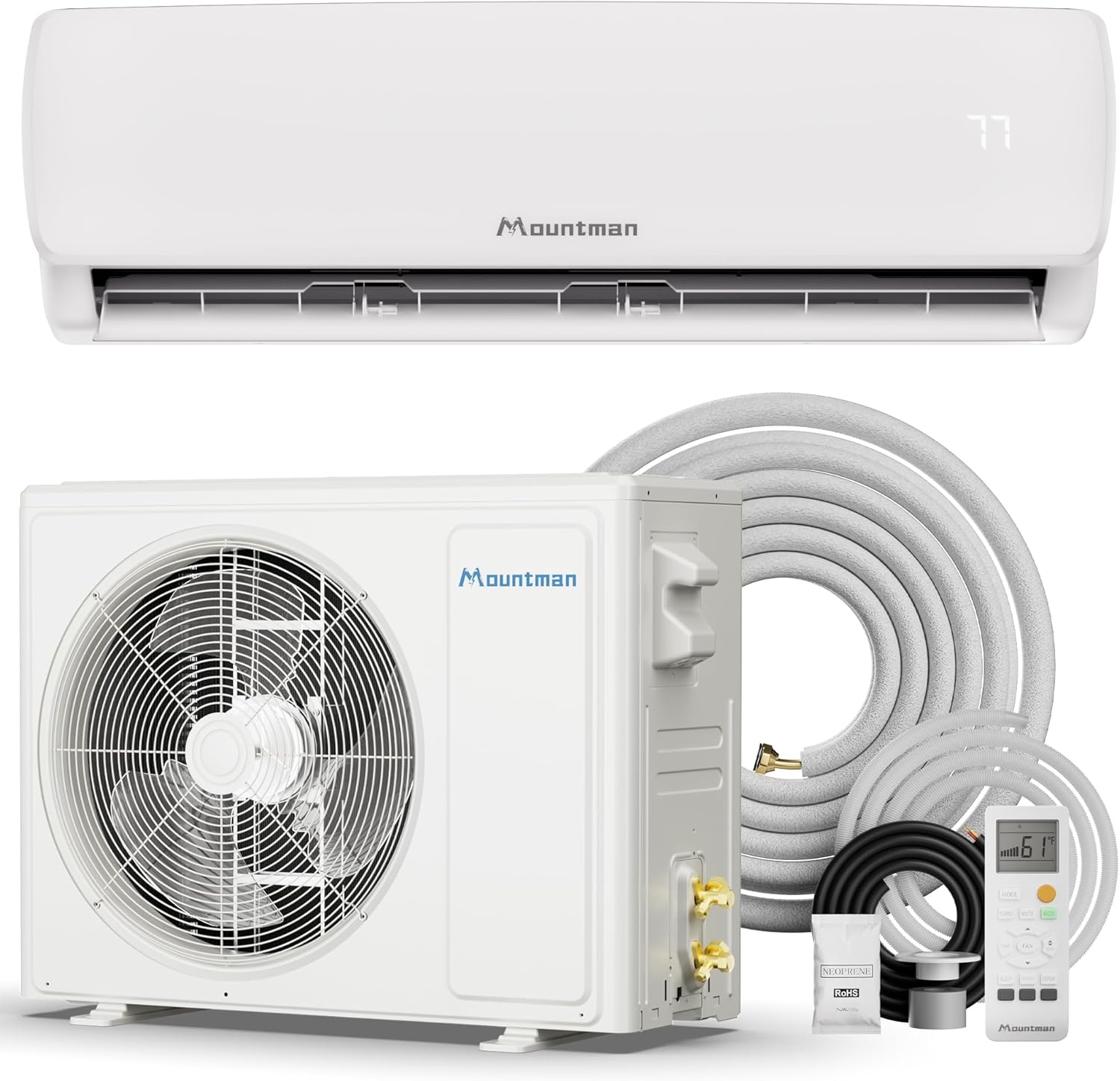
The 115V version makes the most sense for someone cooling and heating one normal-sized room where the load is moderate. Think bedroom, home office, small addition, small finished garage, insulated workshop, or tiny house. It is also attractive if you are trying to avoid moving into larger electrical-work territory. The listed 26 dB noise level is useful for a bedroom or office, though you should always check whether the noise rating refers to the indoor unit and under what mode it was measured.
The 115V unit is also a better article recommendation for readers who are not trying to heat a very cold space as their only heat source. For cooling and shoulder-season heat, it can be a practical choice. For full winter heating in a cold climate, you should be much more cautious.
Who should choose the 208/230V Mountman?
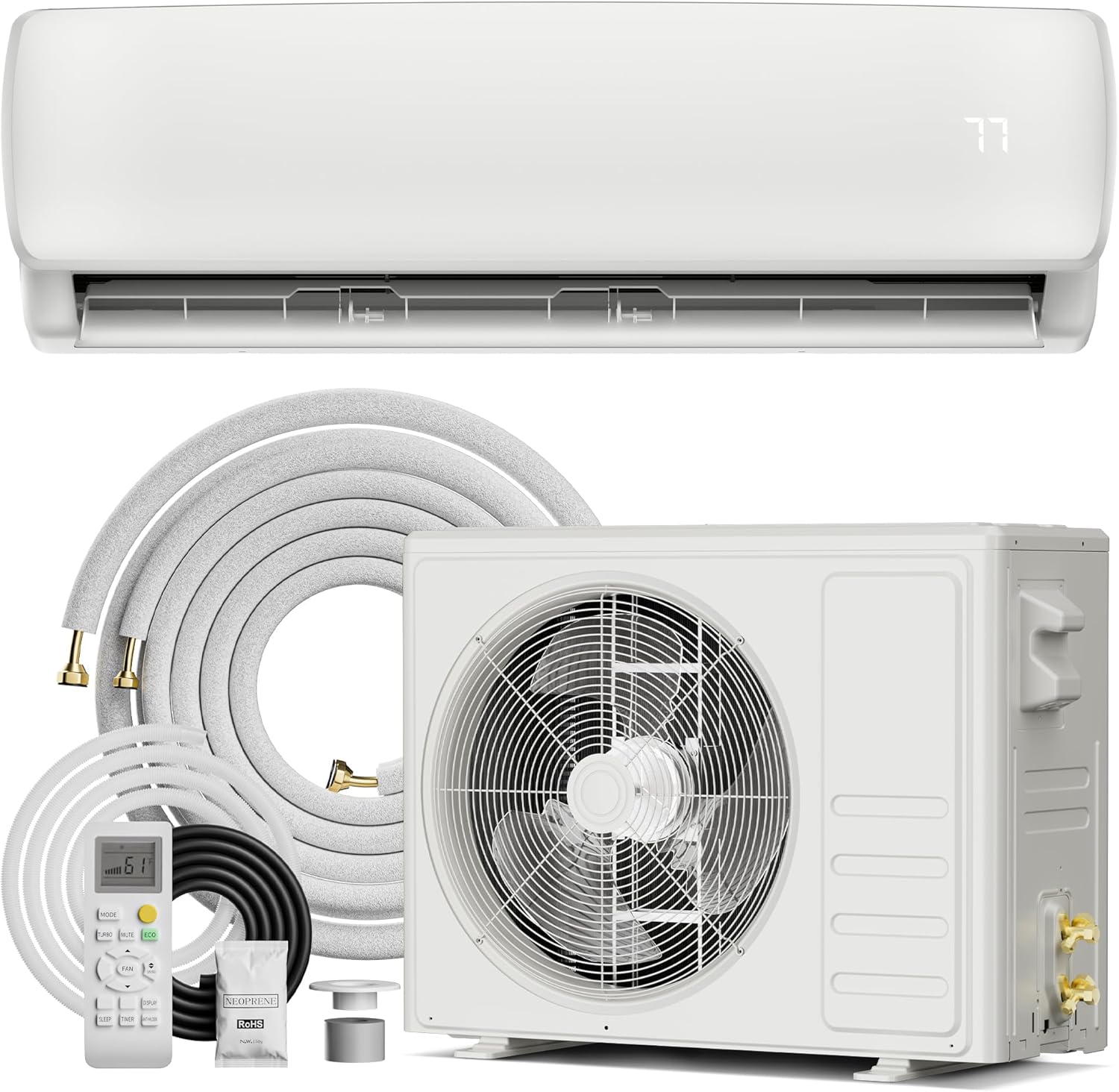
The 208/230V version makes more sense if the room is larger, if the installation already requires a new circuit, or if the buyer prefers matching the electrical setup often used by larger mini splits. It is also a cleaner choice for readers who are comparing 12k and 18k options and may upgrade later. If your electrician is already involved, the voltage question should be part of the load and circuit discussion, not a guess made from the Amazon title.
The big trap is assuming 12,000 BTU is always right for “up to 750 square feet.” That may be true in some conditions and wrong in others. A 750-square-foot open room with good insulation is different from a 750-square-foot garage with a leaky door and no ceiling insulation. PNNL’s heat pump sizing guidance is useful here because it separates goals: cooling only, cooling plus some heat, most heating with backup, or nearly all heating. Your choice should follow that logic.
Installation is the other trap. A pre-charged condenser is not a magic permission slip to skip refrigerant best practices. Reddit pain points around mini splits often involve vacuuming, warranty validity, leaks, and the cost of having someone come out just to commission the unit. One HVAC-advice thread even describes a homeowner being quoted more than $1,000 for a vacuum/refrigerant release service call. Treat that as anecdotal, not universal pricing, but it shows the fear buyers have.
My recommendation is simple. If you are cooling a normal room and the 115V model fits the manual, circuit, and local code, the Mountman 12000 BTU 115V is the more approachable buy. If you are already hiring an electrician, cooling a tougher space, or want a setup closer to larger mini split systems, consider the 208/230V version instead.
Do not buy either version until you have checked the circuit requirements, breaker size, line-set length, local permit rules, and warranty terms. The right voltage is not about ego or “more power.” It is about matching the equipment to the space and installing it safely.
Check today’s price:
Mountman 12000 BTU 115V Mini Split: Click here
Mountman 208/230V Mini Split: Click here
Disclosure: This article contains affiliate links. If you buy through these links, I may earn a commission at no extra cost to you. As an Amazon Associate I earn from qualifying purchases.