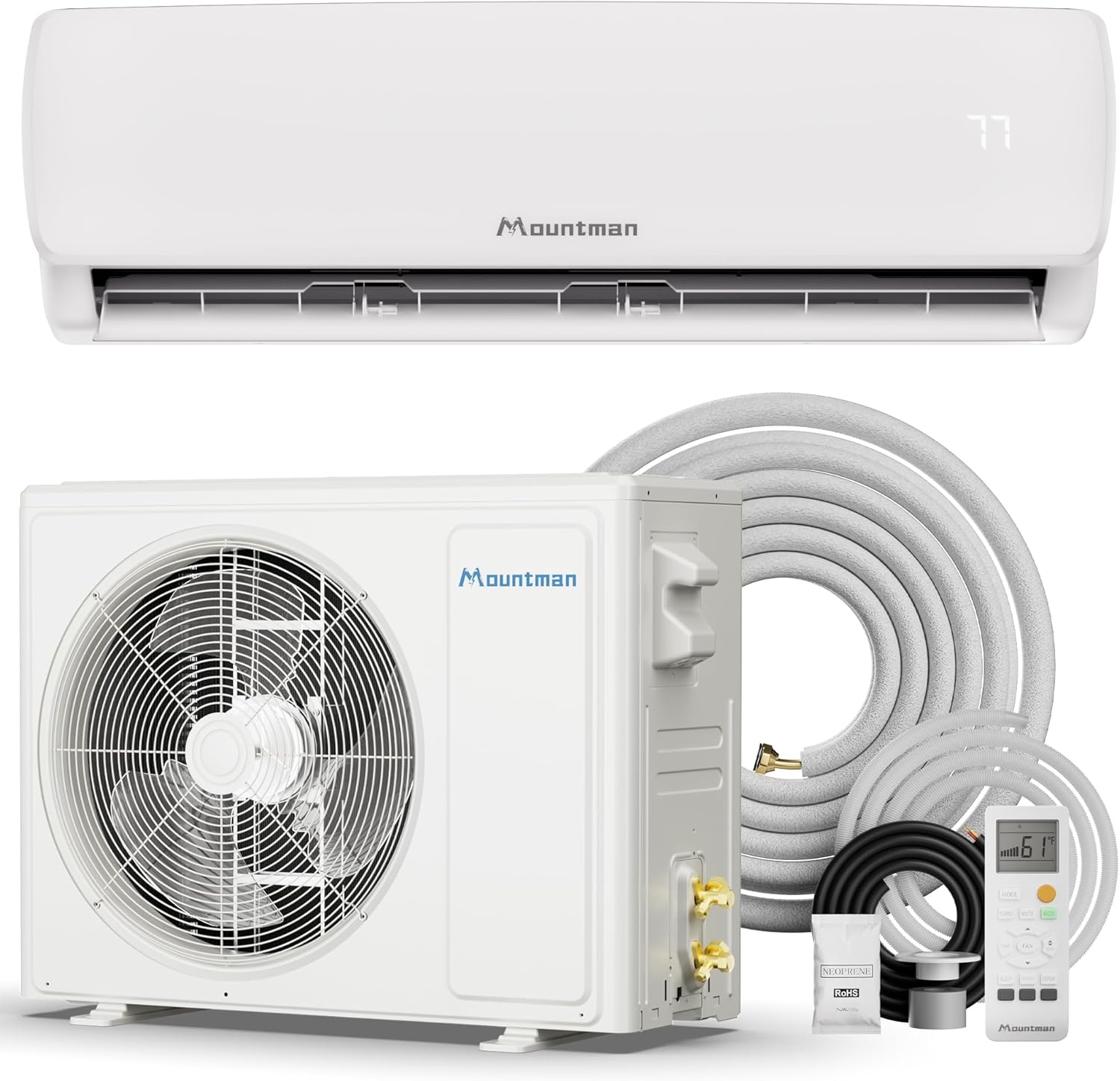
Mountman 18000 BTU vs Oylus 18000 BTU: Which Mini Split Makes More Sense for a Garage or Large Room?
Mountman 18000 BTU vs Oylus 18000 BTU: Which Mini Split Makes More Sense for a Garage or Large Room?
An 18,000 BTU mini split is where the buying decision gets serious. At this size, you are usually not cooling a tiny bedroom anymore. You are probably looking at a garage, workshop, basement, large living room, sunroom, cabin, or an open-plan area that a window unit cannot handle well. That is also where the risk gets bigger. The wrong unit can mean weak heating, short cycling, electrical work you did not budget for, or an install that looks “DIY” online but still needs a qualified HVAC tech.
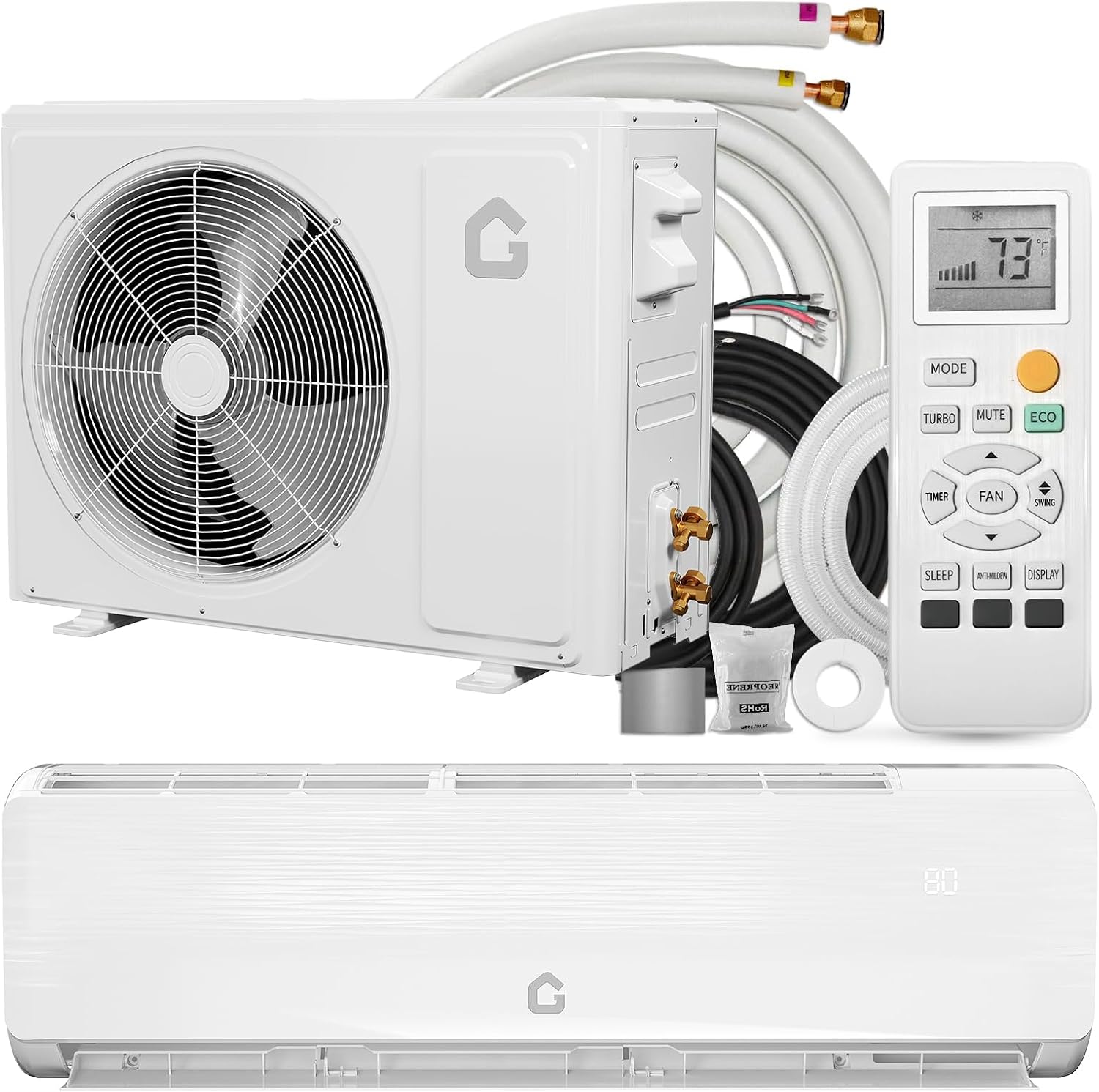
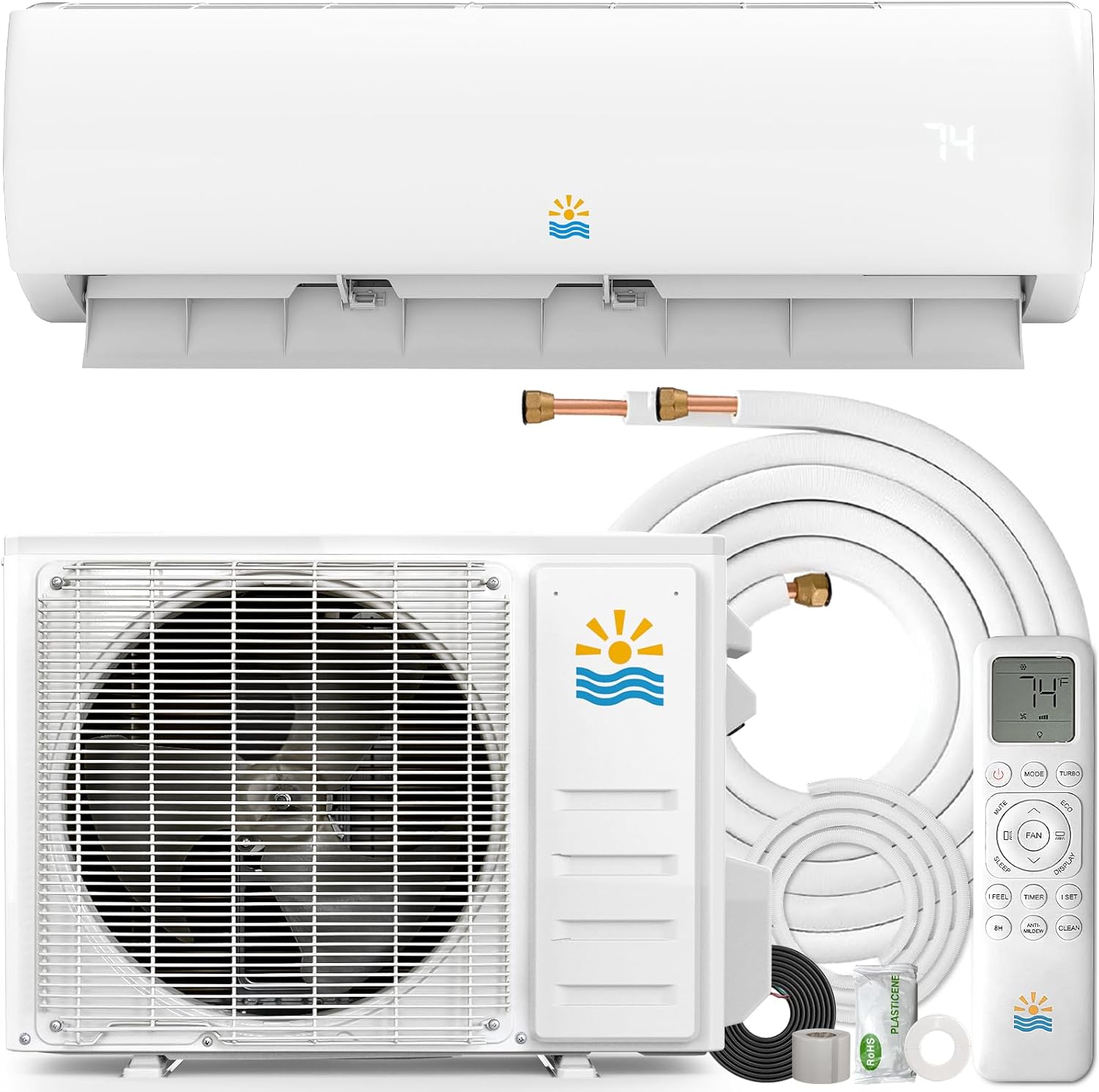
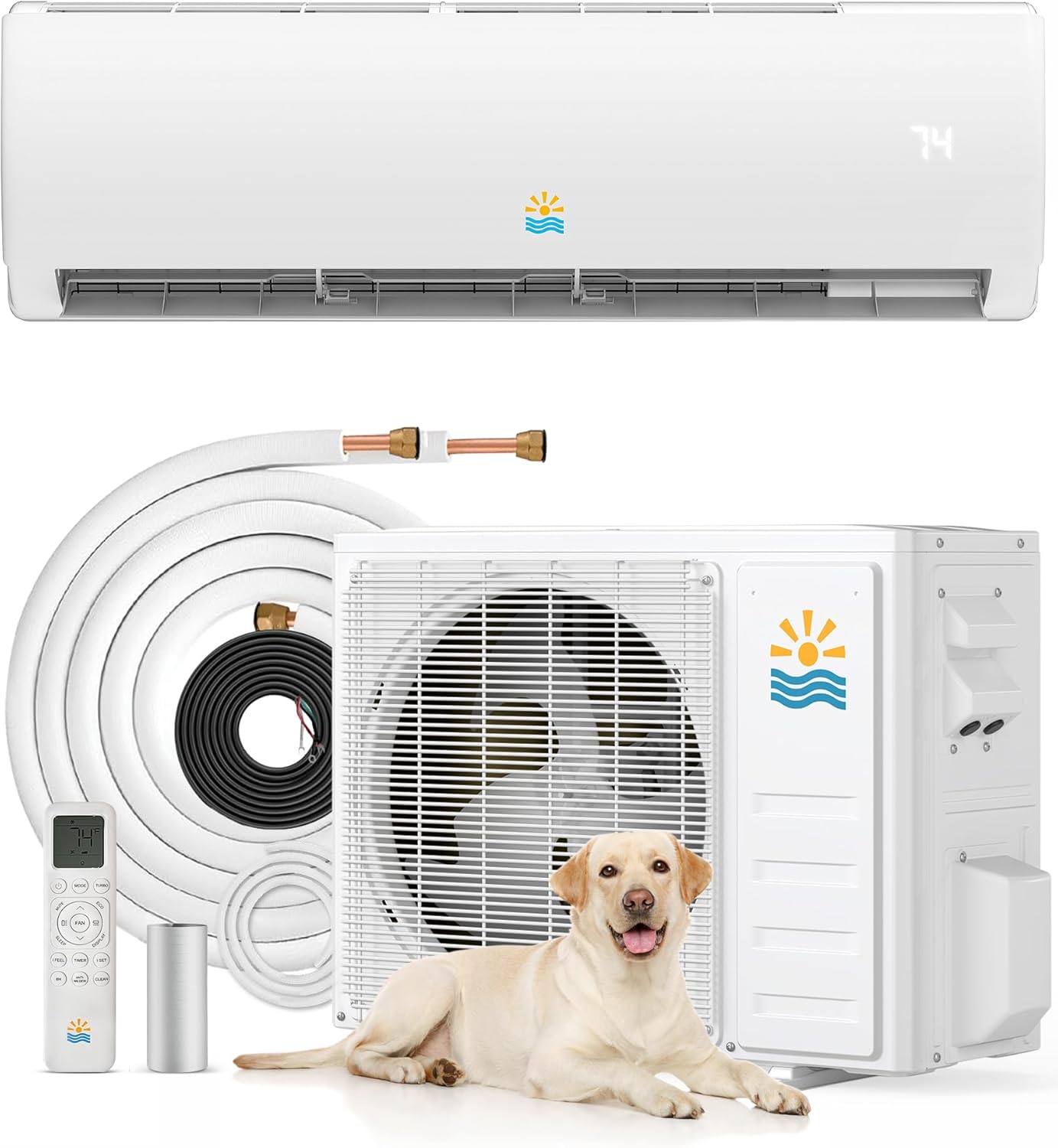
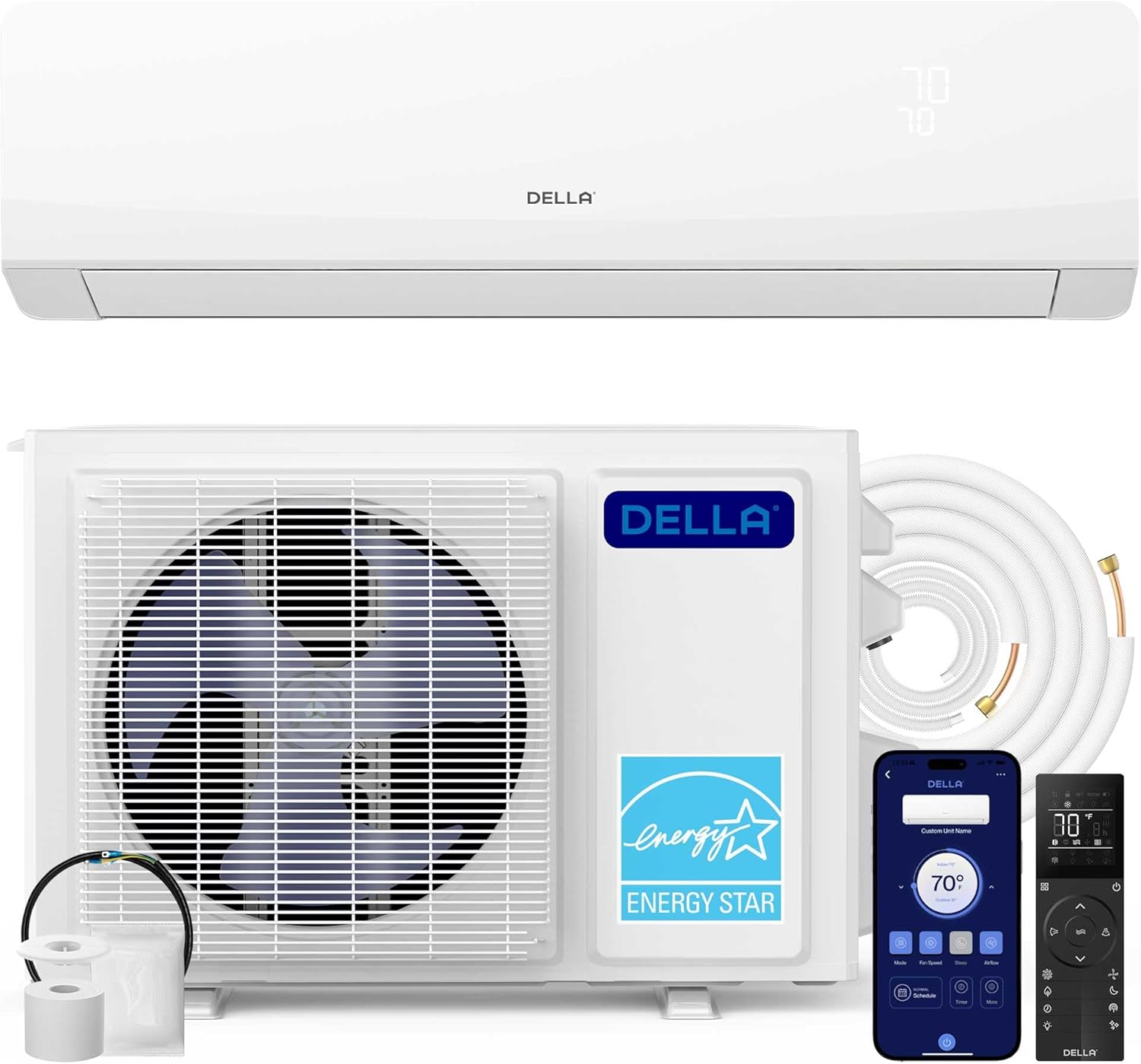
Two of the more interesting budget-friendly options are the Mountman 18000 BTU Mini Split AC/Heating System and the Oylus 18000 BTU Mini Split AC/Heating System. Both are trying to solve the same buyer problem: getting serious cooling and supplemental heating without paying premium-brand prices. But they do not feel like identical products.
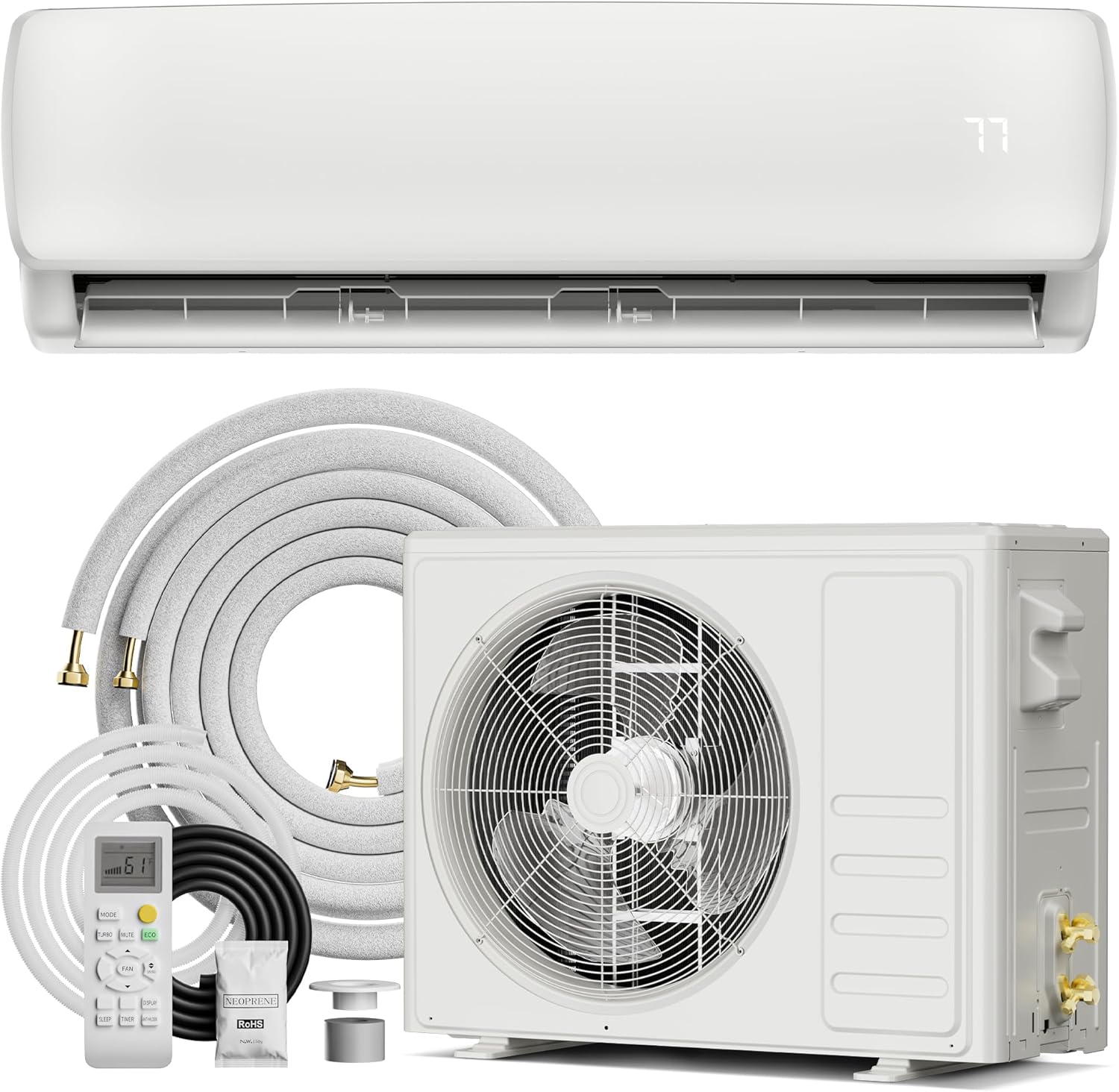
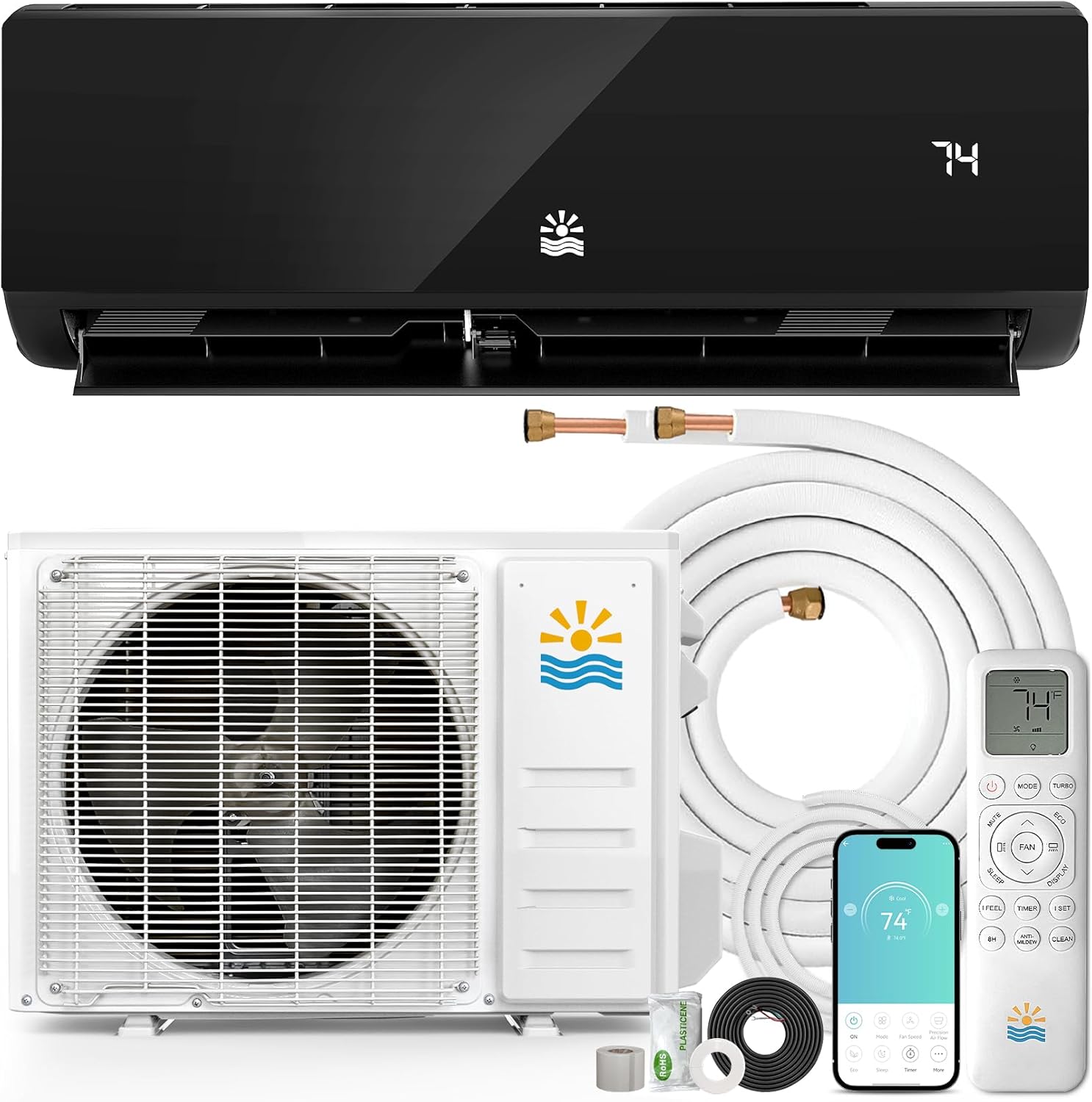
The Mountman 18000 BTU listing positions it as a 230V, 19 SEER unit with R-32 refrigerant, a pre-charged condenser, installation kit, and a listed noise level of 26 dB. The Amazon listing describes it as a 1.5-ton system with 18,000 BTU cooling power. The Oylus 18000 BTU listing, meanwhile, shows 230V operation, 21 SEER, WiFi, 4-way swing, auto-clean, heating and cooling, and a listed noise level of 47 dB.
That makes the basic choice pretty clear. The Mountman looks more appealing if you want a straightforward 18k mini split and care most about quiet operation, simple remote control, and the lowest-friction spec sheet. The Oylus looks more appealing if you want a higher listed efficiency rating and smart control features, especially WiFi.
But do not reduce the decision to “21 SEER beats 19 SEER.” That is too simplistic. SEER2 and SEER-style ratings are useful because they describe seasonal cooling efficiency, but they are not the whole system. ENERGY STAR explains that SEER2 is based on total cooling delivered during the cooling season divided by electrical energy consumed. It does not automatically tell you whether a unit is the right size for your garage, whether the install is valid for warranty, or whether the heat pump will carry the space through real winter conditions.
For a garage, the bigger question is load. A 1,250-square-foot marketing claim may sound generous, but garages are often worse than normal rooms. They may have an uninsulated door, bare concrete, leaky walls, poor air sealing, and a lot of solar gain. In winter, a garage can lose heat quickly. In summer, it can bake. That means an 18,000 BTU mini split can be perfect in one garage and disappointing in another.
If your garage is around 400 to 700 square feet and insulated, either unit may be more than enough for cooling and reasonable heating. If it is poorly insulated, detached, or used as a gym or workshop in very hot or cold weather, you should be much more cautious. PNNL’s cold-climate heat pump guidance emphasizes that sizing should start with goals, configuration, and load calculations, not just square footage. It also warns that the selected heat pump should meet capacity goals without excessive cycling.
The voltage issue also matters. Both of these 18k options are 230V units. That is normal at this capacity, but it means you should assume electrical work may be required unless you already have the correct dedicated circuit. A buyer who was hoping to plug this into a normal outlet is looking at the wrong category. This is not a portable AC. It is a split system with an indoor air handler, outdoor condenser, refrigerant lines, condensate drainage, communication wiring, and electrical requirements.
Installation language is another place to slow down. “Pre-charged condenser” is not the same as a true MRCOOL-style quick-connect DIY system. A pre-charged condenser can still require line-set connection, evacuation, leak testing, and proper commissioning. The EPA says Section 608 certification is required when servicing, repairing, or installing equipment in a way that could reasonably release refrigerant. That does not mean a homeowner cannot do any part of a mini split install, but it does mean you should not treat refrigerant-side work casually.
So which one should you buy?
Choose the Mountman 18000 BTU Mini Split if you want the cleaner value pick: 18k capacity, 230V operation, R-32 refrigerant, and a simple comfort feature set. It is the easier product to explain to a buyer who wants cooling and heating without overpaying for premium-brand equipment.
Choose the Oylus 18000 BTU Mini Split if you specifically care about WiFi control, a higher listed SEER rating, 4-way swing, and smart convenience. It is the more feature-forward choice, especially for someone who wants to adjust the garage or workshop from a phone before walking in.
The honest recommendation: for most garage buyers, I would start with the Mountman if the price gap is meaningful and the listing details check out at the time of purchase. I would choose the Oylus if the smart features and efficiency rating matter enough to justify it. Either way, budget for the install correctly. The cheapest 18k mini split can become expensive fast if you ignore electrical work, local code, permits, line-set details, or warranty requirements.
Before buying, check four things: your room load, your electrical panel, the included line-set length, and whether the warranty requires professional installation. If those four are fine, either of these can make more sense than trying to cool a garage with a loud portable AC.
Check today’s price:
Mountman 18000 BTU Mini Split AC/Heating System: Click Here
Oylus 18000 BTU Mini Split AC/Heating System: Click here
Disclosure: This article contains affiliate links. If you buy through these links, I may earn a commission at no extra cost to you. As an Amazon Associate I earn from qualifying purchases.